

About Peru
Peru is a major Arabica producer in the Andes, cultivating coffee above 1,000m.a.s.l. It is the world’s leading exporter of organic coffee, sustaining more than 225,000 families. Peruvian coffees are prized for their smooth body, delicate aroma, and sweet, clean flavors, often recognized in international competitions
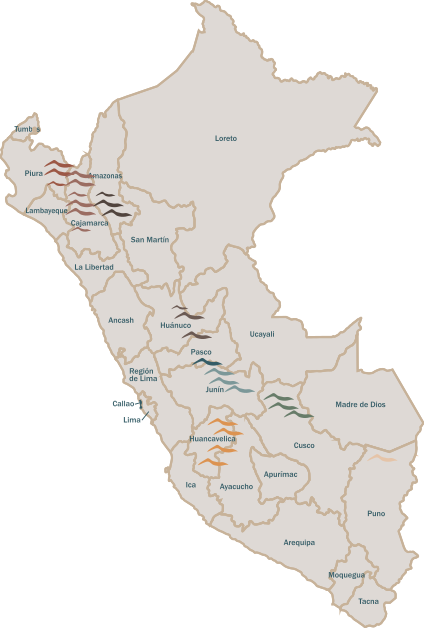

Piura’s semi-tropical climate is characterized by warm temperatures, low rainfall, and ample sunlight, creating ideal conditions for coffee cultivation. The region's altitude varies from 900 to 2,000 meters above sea level, which significantly impacts the development of coffee beans by promoting slow maturation, leading to enhanced flavor complexity. The proximity to the Andes mountain range and volcanic formations influences local microclimates and water flow, essential for sustainable coffee farming.
Farmers in Piura often practice agroforestry, growing coffee under the shade of native trees and fruit plants, which improves biodiversity and soil quality. These sustainable practices help preserve the environment, reduce the need for chemical inputs, and enhance the flavor profile of the coffee. Organic and shade-grown coffee certifications are becoming more common, aligning with global demand for environmentally friendly products.
The most common flavour profiles are bright acidity, dark chocolate, sweet fruit, floral aromas, salted caramel, and citrus notes.
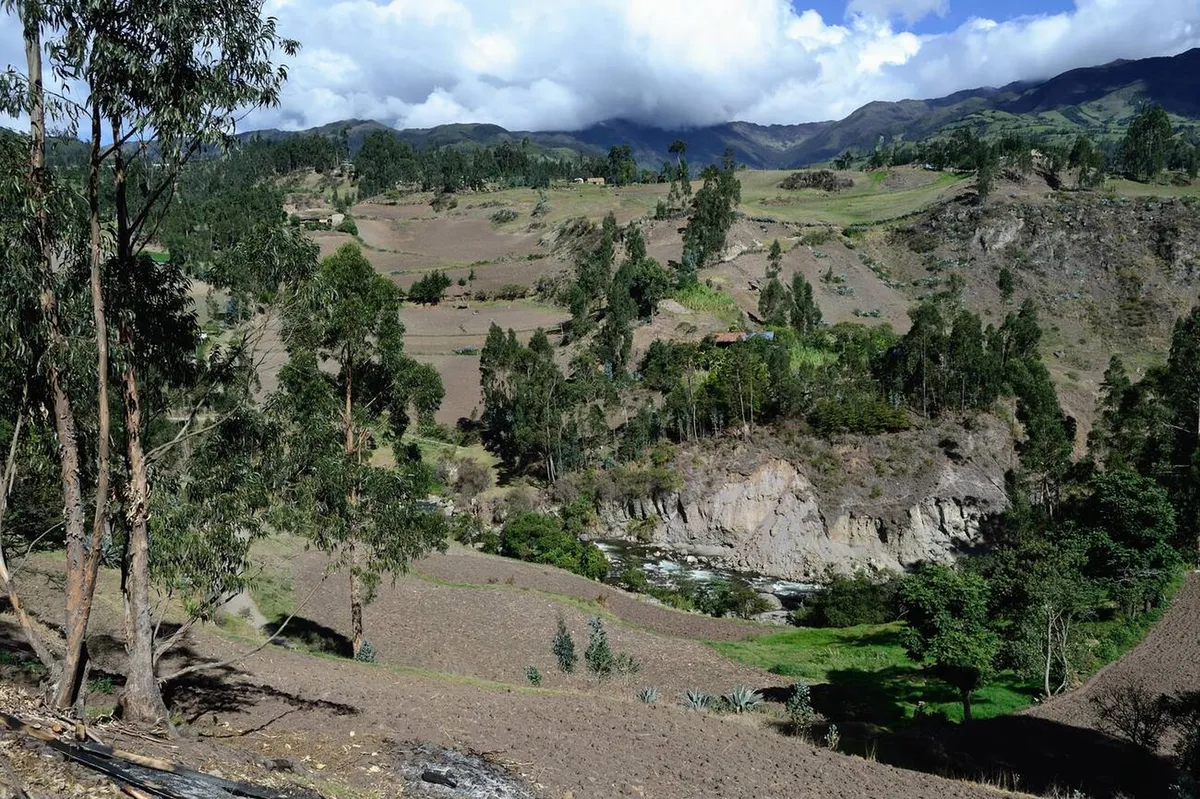

Cajamarca coffee is cultivated in various localities within the province, including towns such as Jaén, Santa Rosa, Cumbemayo, Baños del Inca, and surrounding highland villages. These areas are characterized by rugged mountainous terrain, fertile valleys, and volcanic soils. The region’s coffee farms are generally located at altitudes between 1,200 and 2,200 meters above sea level. The high elevation promotes slow bean maturation, leading to a full development of acidity and aromatic complexity. Cajamarca's climate is marked by cool nights and warm days, with distinct dry and rainy seasons that influence harvest schedules.
Jaén, a key city in the Cajamarca region of northern Peru, is recognized as one of the primary hubs of coffee cultivation in the area. The areas around Jaén include districts such as Bellavista, Pucara, Chontalí, and San Ignacio, among others. Coffee cultivation in Jaén has expanded rapidly over the past two decades, driven by global demand for specialty coffee and national interest in diversifying exports. The region's farmers have increasingly adopted sustainable and organic farming practices, and certifications. Coffee is a major economic driver, providing income and employment to thousands of smallholder farmers and workers.
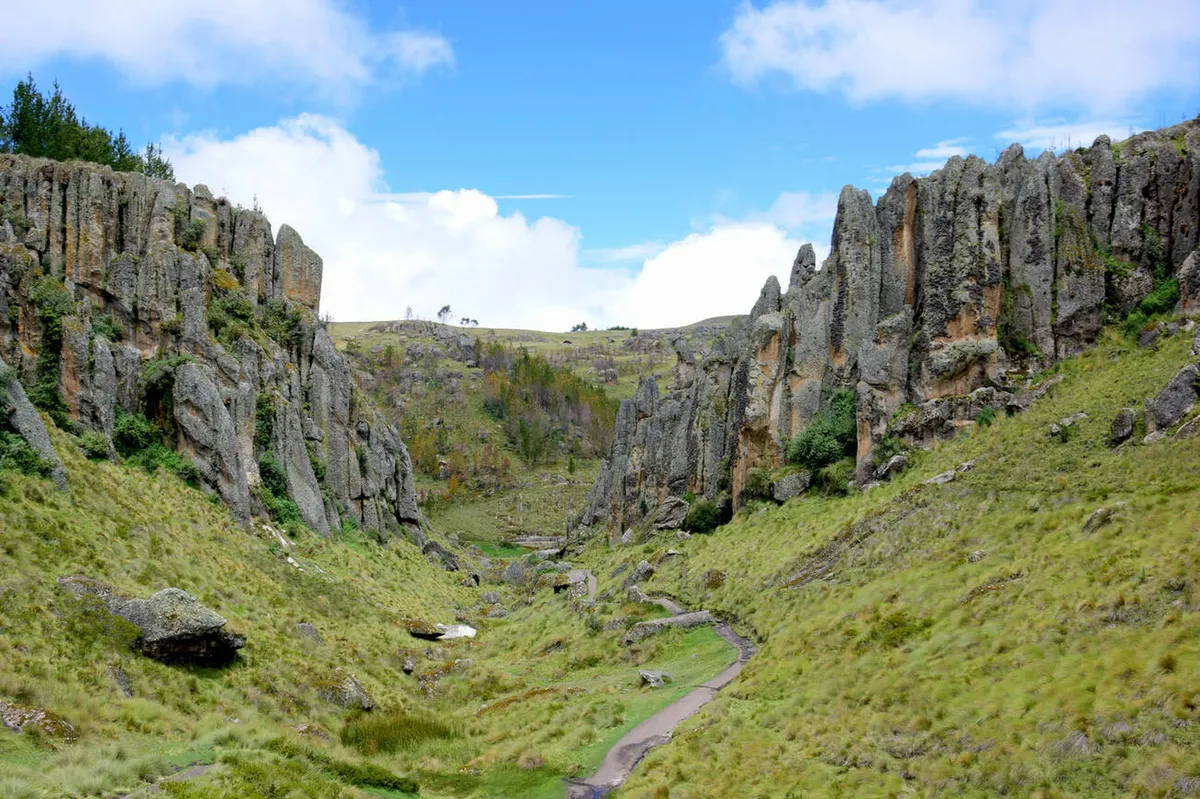

Huánuco’s coffee is cultivated across various districts within the provinces of Huánuco, Ambo, Lauricocha, Yarowilca, and neighboring areas. These localities are characterized by varied terrain, including high-altitude mountains, valleys, and volcanic slopes, creating diverse microclimates suitable for high-quality coffee.
The coffee-growing zones in Huánuco are situated at altitudes ranging from approximately 1,200 to 1,800 meters above sea level. The cool mountain microclimates and volcanic soils enrich the coffee beans with complexity and brightness. The flavor profiles can be bright acidity, balanced body, and aromatic complexity, with notes ranging from floral and fruity to chocolate. Certifications like Organic and Fair Trade are increasingly common among Huánuco producers, helping to boost export opportunities.
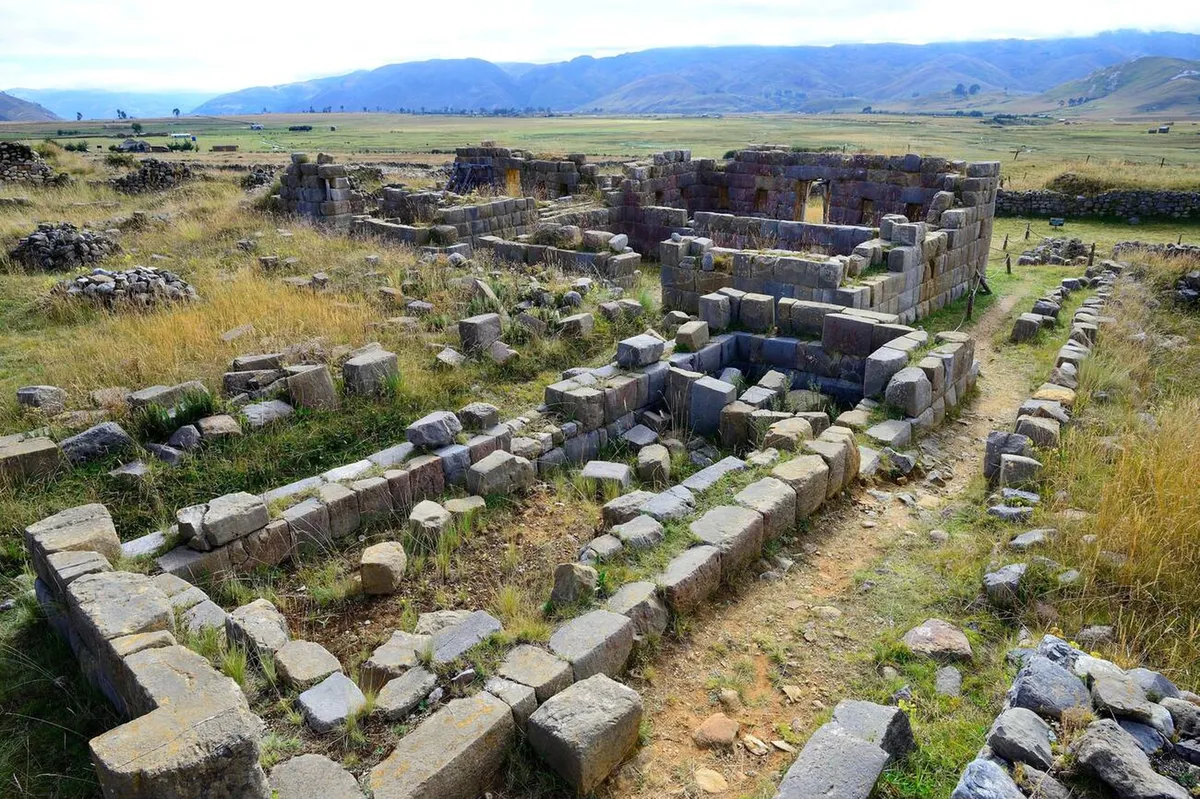

Villa Rica is located in the Oxapampa province of Pasco region, in central Peru. The area is characterized by a mountainous landscape with dense forests, river valleys, and several small villages. The coffee farms are situated at altitudes ranging from 1,200 to 1,800 meters above sea level. The key localities where coffee is cultivated include Oxapampa town itself, Yanachaga, Chontabamba, and surrounding rural communities. These regions are part of the Amazonian foothills, contributing to their rich biodiversity and microclimates.
Although coffee cultivation in Villa Rica is relatively recent compared to older Peruvian coffee regions, it has experienced rapid growth over the past 15-20 years. The region's emergence as a specialty coffee producer has been driven by local initiatives and cooperatives focused on sustainable and quality-focused farming. The connection to the Omamis and indigenous communities has contributed to the preservation of traditional farming techniques and cultural practices.
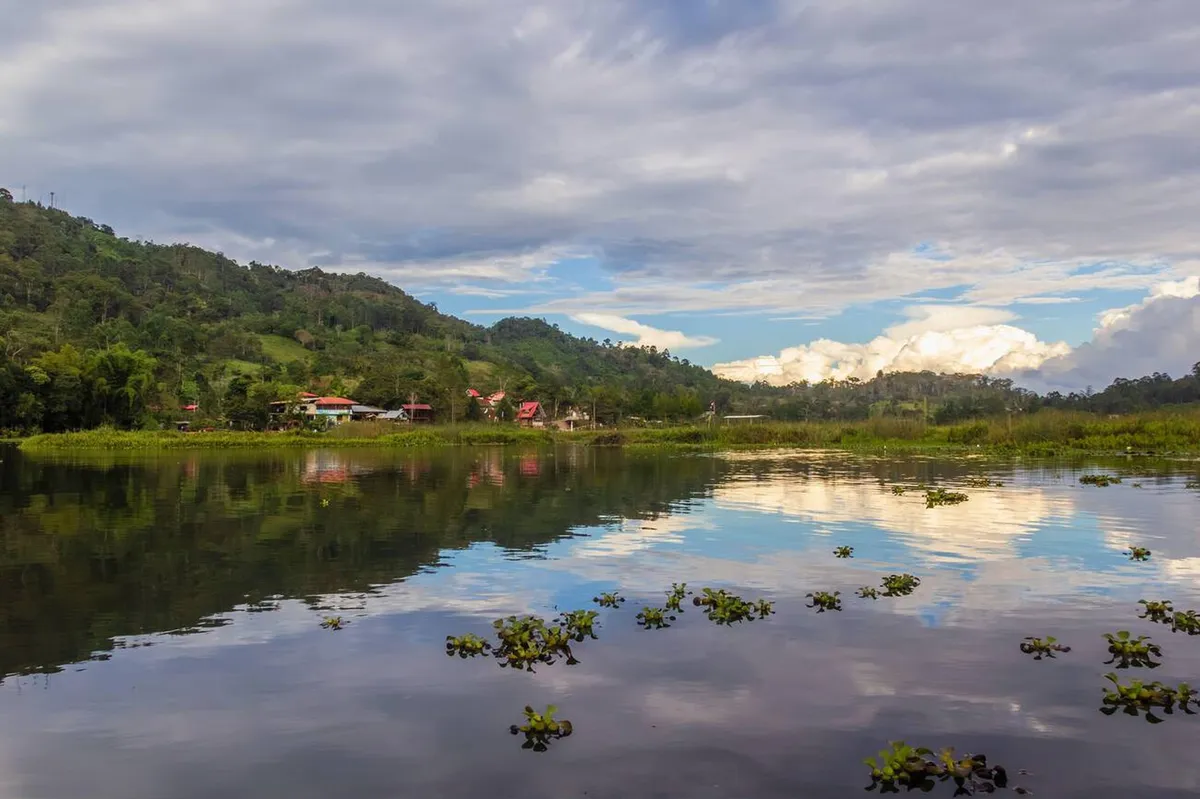

Junín coffee is cultivated across several provinces, notably Chanchamayo, Satipo, Jauja and Huancayo. The key localities include San Ramón, La Merced, Pangoa, and Concepción, areas known for their lush landscapes, fertile volcanic soils, and high-altitude microclimates. The elevation of coffee farms varies from approximately 900 to 1,800 meters above sea level. These localities are characterized by rugged terrain, river valleys, and extensive forest cover, supporting diverse agroecosystems.
While traditional agriculture has long been practiced in Junín, it was only in recent decades that coffee gained prominence as an export commodity. Local farmers began adopting modern techniques and organic practices along with certification efforts (such as Organic and Fair Trade), boosting the region’s competitiveness. Much of Junín’s coffee farming is rooted in indigenous customs and traditional agroforestry practices.
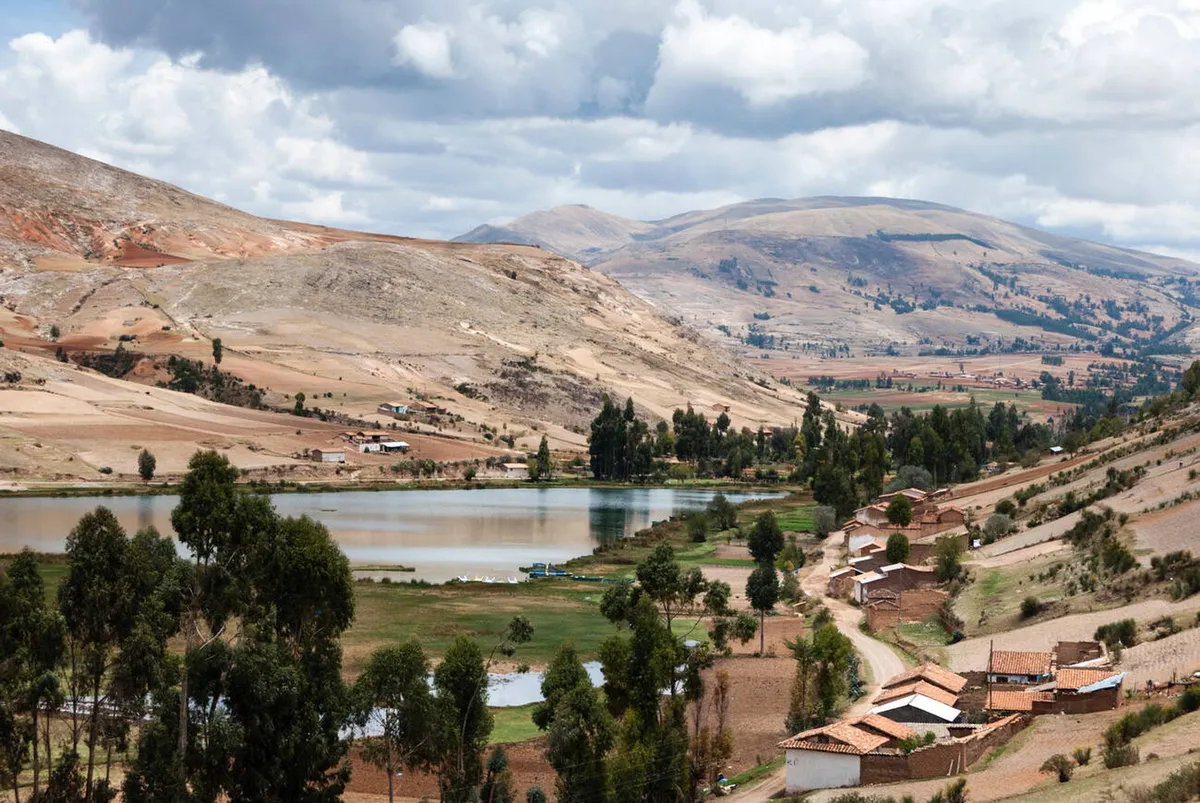

Ayacucho coffee is cultivated mainly in the highland districts within the provinces of Huamanga, La Mar, and Huanca Sancos. Key localities include Quinua, Socos, and Huamanga, which are characterized by terraced hillsides, forested slopes, and fertile valleys. The region’s rugged terrain provides microclimates vital for producing distinctive quality coffee. The coffee farms are typically situated at elevations between 1,200 and 2,200 meters above sea level.
Although agriculture including potatoes, corn, and native crops has historically dominated Ayacucho’s economy, coffee cultivation is a more recent development. It began expanding significantly over the last 20 years. The region’s rich indigenous traditions and commitment to organic farming techniques have helped establish Ayacucho as a rising star in Peru’s specialty coffee sector. The most common cup profiles are cocoa, cereals, black fruits and caramel with medium acidity and bold bodies.
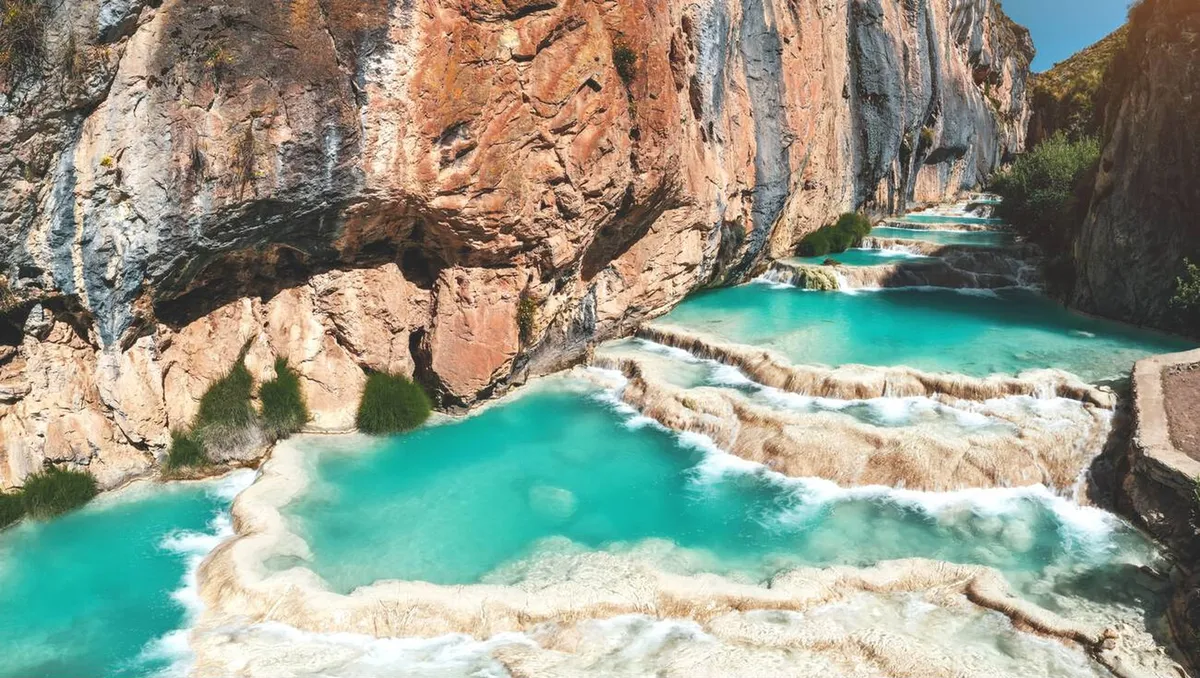
Puno 's coffee production takes place mainly in high-altitude districts within the provinces of Puno, San Antonio de Putina, Melgar, Yunguyo, and Lampa. Key localities include Juli, Pomata, Ilave, and Huancané. These areas are characterized by rugged mountainous terrain, scenic valleys, and high plains. The farms are located at elevations ranging from approximately 1,500 to 1,800 meters above sea level, making Puno one of the highest coffee-producing regions in Peru.
Historically, Puno’s economy was based on traditional farming of native crops such as potatoes, quinoa, and corn, adapted to its high-altitude environment. Coffee cultivation has been a relatively recent development, gaining popularity over the past 15-20 years. Its growth has been promoted through government and NGO initiatives aimed at sustainable farming, organic certification, and improving market access. Indigenous communities are actively involved in coffee cultivation, blending traditional techniques with new practices to improve quality and sustainability.
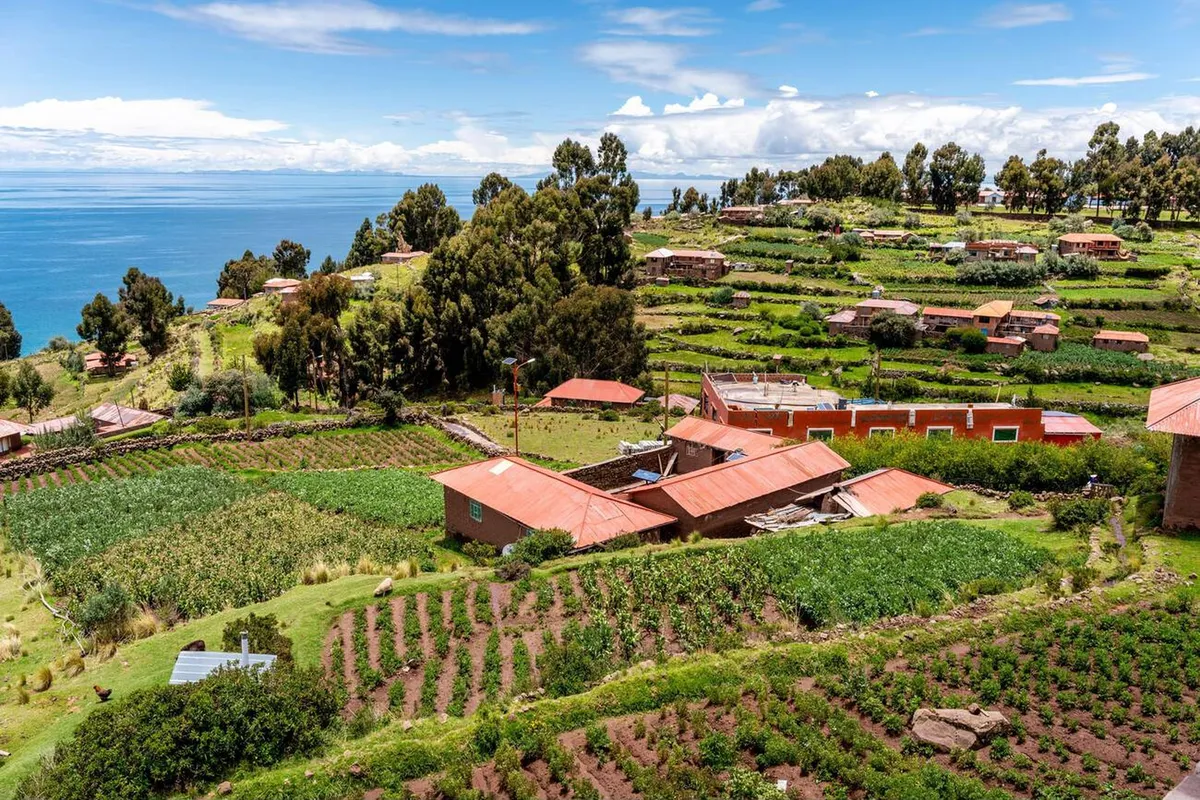

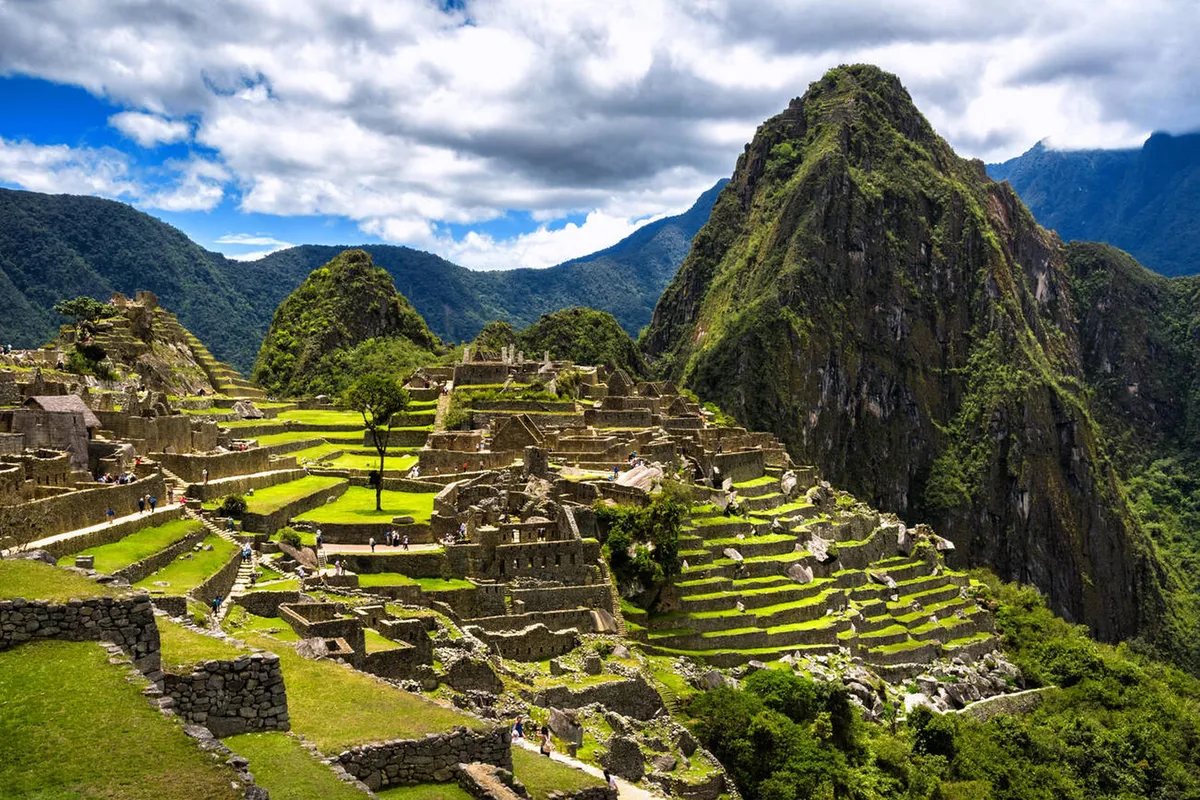
Cusco 's coffee is cultivated across various districts primarily within the provinces of Cusco, Urubamba, and La Convención. Key localities include Ollantaytambo, Pisac, Urubamba, Santa María and Machupicchu. These areas are characterized by steep mountain slopes, highland valleys, and microclimates created by proximity to the Andes and the Amazon basin. The coffee-growing zones in Cusco are generally situated between approximately 1,200 and 2,000 meters above sea level. These diverse terrains support a rich biodiversity and ideal conditions for high-quality coffee.
Coffee in Cusco is mainly produced by smallholder farmers organized into cooperatives. The focus on high-quality, organic, and sustainable cultivation allows producers to access premium international markets. Coffee exports contribute to local incomes, support rural livelihoods, and promote regional economic development, especially through fair trade and organic certifications.
About Peru
Peru is a major Arabica producer in the Andes, cultivating coffee above 1,000m. It is the world’s leading exporter of organic coffee, sustaining more than 225,000 families. Peruvian coffees are prized for their smooth body, delicate aroma, and sweet, clean flavors, often recognized in international competitions
Piura’s semi-tropical climate is characterized by warm temperatures, low rainfall, and ample sunlight, creating ideal conditions for coffee cultivation. The region's altitude varies from 900 to 2,000 meters above sea level, which significantly impacts the development of coffee beans by promoting slow maturation, leading to enhanced flavor complexity. The proximity to the Andes mountain range and volcanic formations influences local microclimates and water flow, essential for sustainable coffee farming.
Farmers in Piura often practice agroforestry, growing coffee under the shade of native trees and fruit plants, which improves biodiversity and soil quality. These sustainable practices help preserve the environment, reduce the need for chemical inputs, and enhance the flavor profile of the coffee. Organic and shade-grown coffee certifications are becoming more common, aligning with global demand for environmentally friendly products.
The most common flavour profiles are bright acidity, dark chocolate, sweet fruit, floral aromas, salted caramel, and citrus notes.
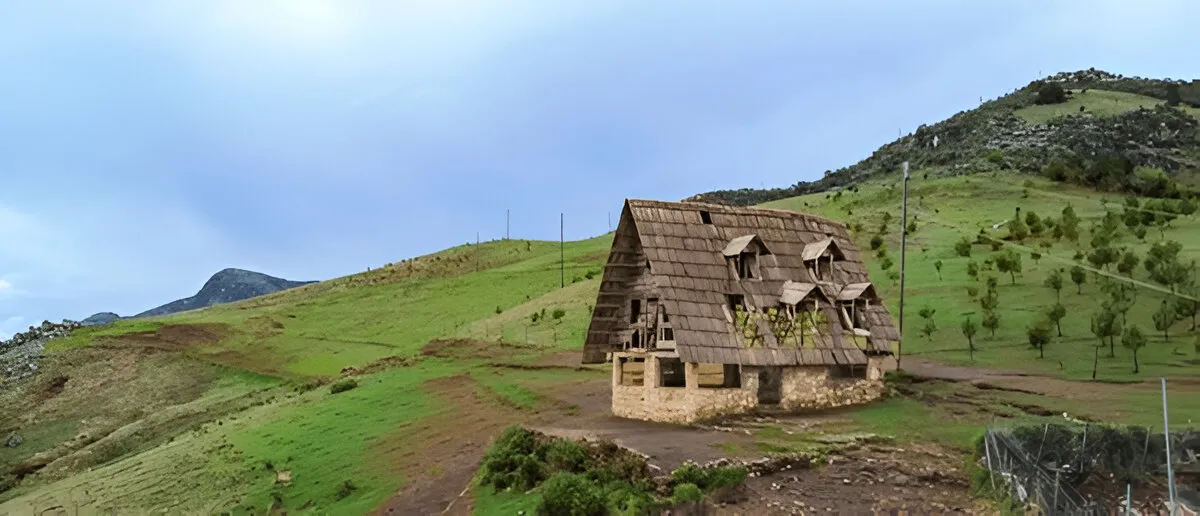
Cajamarca coffee is cultivated in various localities within the province, including towns such as Jaén, Santa Rosa, Cumbemayo, Baños del Inca, and surrounding highland villages. These areas are characterized by rugged mountainous terrain, fertile valleys, and volcanic soils. The region’s coffee farms are generally located at altitudes between 1,200 and 2,200 meters above sea level. The high elevation promotes slow bean maturation, leading to a full development of acidity and aromatic complexity. Cajamarca's climate is marked by cool nights and warm days, with distinct dry and rainy seasons that influence harvest schedules.
Jaén, a key city in the Cajamarca region of northern Peru, is recognized as one of the primary hubs of coffee cultivation in the area. The areas around Jaén include districts such as Bellavista, Pucara, Chontalí, and San Ignacio, among others. Coffee cultivation in Jaén has expanded rapidly over the past two decades, driven by global demand for specialty coffee and national interest in diversifying exports. The region's farmers have increasingly adopted sustainable and organic farming practices, and certifications. Coffee is a major economic driver, providing income and employment to thousands of smallholder farmers and workers.
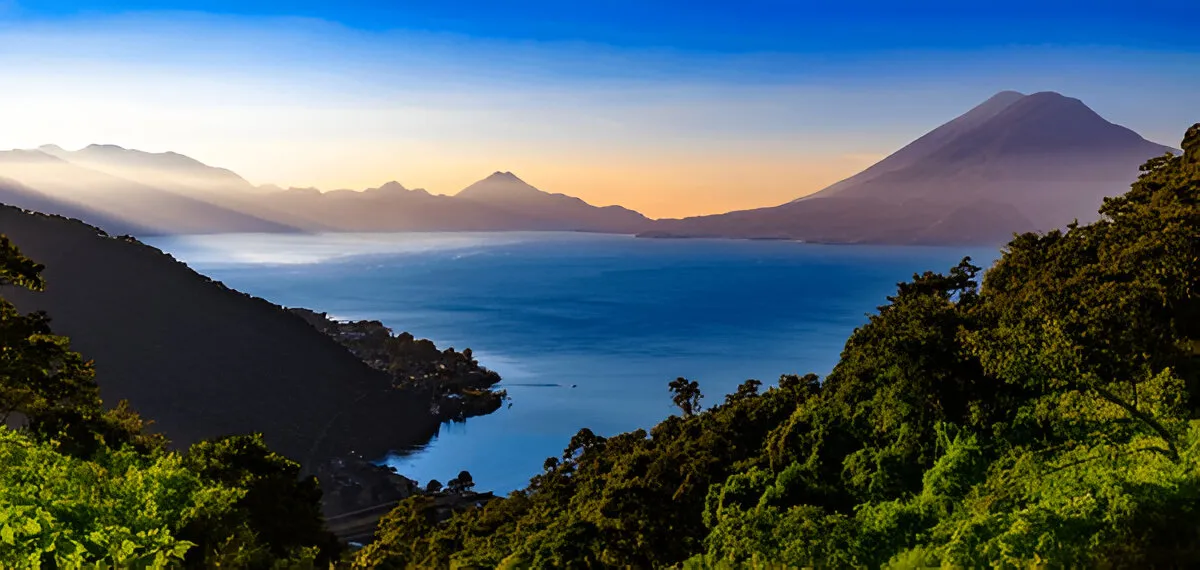
Huánuco’s coffee is cultivated across various districts within the provinces of Huánuco, Ambo, Lauricocha, Yarowilca, and neighboring areas. These localities are characterized by varied terrain, including high-altitude mountains, valleys, and volcanic slopes, creating diverse microclimates suitable for high-quality coffee.
The coffee-growing zones in Huánuco are situated at altitudes ranging from approximately 1,200 to 1,800 meters above sea level. The cool mountain microclimates and volcanic soils enrich the coffee beans with complexity and brightness. The flavor profiles can be bright acidity, balanced body, and aromatic complexity, with notes ranging from floral and fruity to chocolate. Certifications like Organic and Fair Trade are increasingly common among Huánuco producers, helping to boost export opportunities.
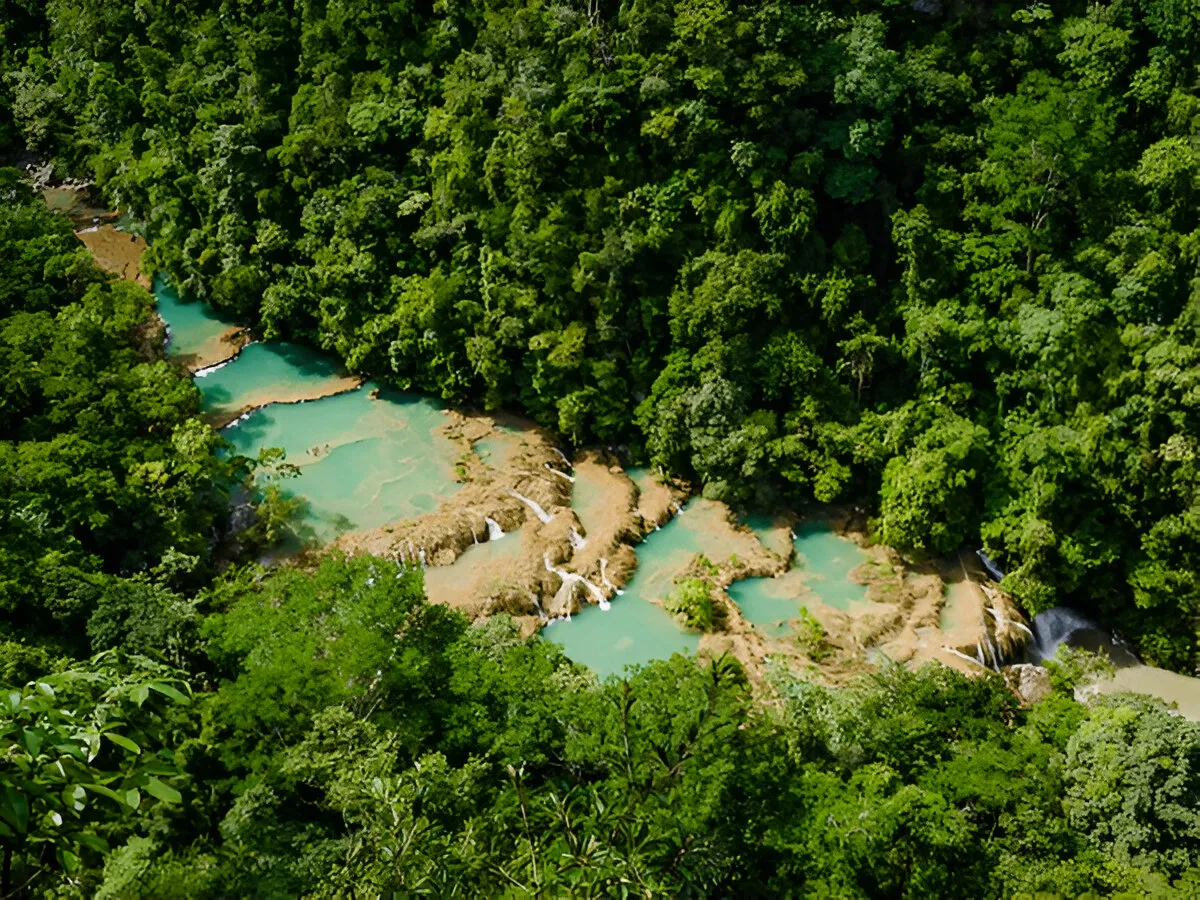
Villa Rica is located in the Oxapampa province of Pasco region, in central Peru. The area is characterized by a mountainous landscape with dense forests, river valleys, and several small villages. The coffee farms are situated at altitudes ranging from 1,200 to 1,800 meters above sea level. The key localities where coffee is cultivated include Oxapampa town itself, Yanachaga, Chontabamba, and surrounding rural communities. These regions are part of the Amazonian foothills, contributing to their rich biodiversity and microclimates.
Although coffee cultivation in Villa Rica is relatively recent compared to older Peruvian coffee regions, it has experienced rapid growth over the past 15-20 years. The region's emergence as a specialty coffee producer has been driven by local initiatives and cooperatives focused on sustainable and quality-focused farming. The connection to the Omamis and indigenous communities has contributed to the preservation of traditional farming techniques and cultural practices.
Junín coffee is cultivated across several provinces, notably Chanchamayo, Satipo, Jauja and Huancayo. The key localities include San Ramón, La Merced, Pangoa, and Concepción, areas known for their lush landscapes, fertile volcanic soils, and high-altitude microclimates. The elevation of coffee farms varies from approximately 900 to 1,800 meters above sea level. These localities are characterized by rugged terrain, river valleys, and extensive forest cover, supporting diverse agroecosystems.
While traditional agriculture has long been practiced in Junín, it was only in recent decades that coffee gained prominence as an export commodity. Local farmers began adopting modern techniques and organic practices along with certification efforts (such as Organic and Fair Trade), boosting the region’s competitiveness. Much of Junín’s coffee farming is rooted in indigenous customs and traditional agroforestry practices.
Ayacucho coffee is cultivated mainly in the highland districts within the provinces of Huamanga, La Mar, and Huanca Sancos. Key localities include Quinua, Socos, and Huamanga, which are characterized by terraced hillsides, forested slopes, and fertile valleys. The region’s rugged terrain provides microclimates vital for producing distinctive quality coffee. The coffee farms are typically situated at elevations between 1,200 and 2,200 meters above sea level.
Although agriculture including potatoes, corn, and native crops has historically dominated Ayacucho’s economy, coffee cultivation is a more recent development. It began expanding significantly over the last 20 years. The region’s rich indigenous traditions and commitment to organic farming techniques have helped establish Ayacucho as a rising star in Peru’s specialty coffee sector. The most common cup profiles are cocoa, cereals, black fruits and caramel with medium acidity and bold bodies.
Puno 's coffee production takes place mainly in high-altitude districts within the provinces of Puno, San Antonio de Putina, Melgar, Yunguyo, and Lampa. Key localities include Juli, Pomata, Ilave, and Huancané. These areas are characterized by rugged mountainous terrain, scenic valleys, and high plains. The farms are located at elevations ranging from approximately 1,500 to 1,800 meters above sea level, making Puno one of the highest coffee-producing regions in Peru.
Historically, Puno’s economy was based on traditional farming of native crops such as potatoes, quinoa, and corn, adapted to its high-altitude environment. Coffee cultivation has been a relatively recent development, gaining popularity over the past 15-20 years. Its growth has been promoted through government and NGO initiatives aimed at sustainable farming, organic certification, and improving market access. Indigenous communities are actively involved in coffee cultivation, blending traditional techniques with new practices to improve quality and sustainability.


Cusco 's coffee is cultivated across various districts primarily within the provinces of Cusco, Urubamba, and La Convención. Key localities include Ollantaytambo, Pisac, Urubamba, Santa María and Machupicchu. These areas are characterized by steep mountain slopes, highland valleys, and microclimates created by proximity to the Andes and the Amazon basin. The coffee-growing zones in Cusco are generally situated between approximately 1,200 and 2,000 meters above sea level. These diverse terrains support a rich biodiversity and ideal conditions for high-quality coffee.
Coffee in Cusco is mainly produced by smallholder farmers organized into cooperatives. The focus on high-quality, organic, and sustainable cultivation allows producers to access premium international markets. Coffee exports contribute to local incomes, support rural livelihoods, and promote regional economic development, especially through fair trade and organic certifications.


History
Coffee was introduced over two centuries ago by Austro-German colonists. Initially seen as a substitute for Colombian coffee, Peru gradually earned global recognition.Since the 2010s, Peru has consistently ranked among the top five Arabica exporters. Despite challenges with remote farms and infrastructure, cooperatives have played a key role in helping smallholders access fair prices and wider markets.

Qualities
From Hard Bean to Strictly Hard Bean, each quality reflects the cuntrys diverse coffee microclimates, delivering vibrant acidity, floral notes, and clean cups.
HB (Screen Size 15+)
The Hard Bean grade refers to coffees grown above 1,200m.a.s.l, with balanced body, mild acidity, and clean profiles (≈83–84 points).
Peru "HB" coffee, implies high-quality beans grown at high altitudes, meticulously sorted for defects, and known for their balanced flavor and mild acidity. The "HB" stands for "Hard Bean," indicating the beans were cultivated above 1200 meters above sea level, typically resulting in denser, more flavorful beans. If we are talking about cup scores an HG coffee will rank between 83-84 points.
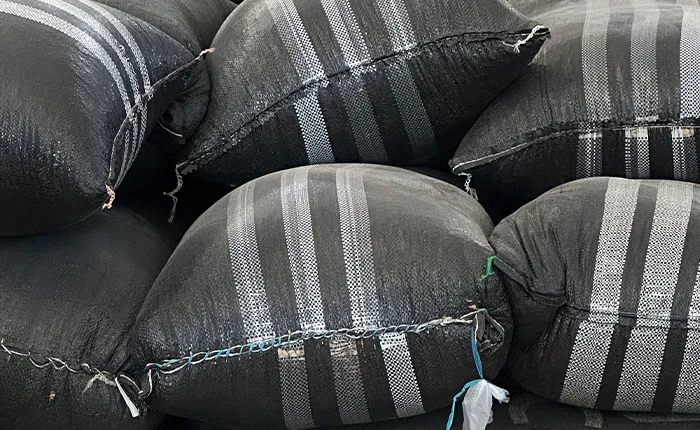

SHB (Screen Size 15+)
The Strictly Hard Bean category applies to beans grown above 1,600 m.a.s.l, known for density, bright acidity, and complex flavor profiles (≈84–85 points).
SHB stands for "Strictly Hard Bean," a classification that indicates the coffee was cultivated at high elevations, typically above 1,600 meters. This classification is used in Peru to denote beans that consistently meet high-quality standards associated with high-altitude cultivation. SHB beans are dense, small, and well-formed, which generally correlates with better flavor extraction and overall cup quality. If we were talking about cup scores an SHB will rank between 84-85 points.
SHB+ (Screen Size 15+)
The Strictly Hard Bean Plus grade highlights coffees from the highest altitudes and refined practices, achieving 84.5–85.5 points with exceptional quality.
Same conditions as an SHB but due to better processing, varieties, higher altitudes and farm practices coffee can achieve cup scores from 84.5-85.5.
Regions
From Piura and Cajamarca to Huánuco, Villa Rica, Junín, Ayacucho, Puno, and Cusco, each area offers unique microclimates that produce vibrant, complex, and award-winning coffees.
Piura
Semi-tropical climate, bright acidity with chocolate, caramel, and citrus notes.
Piura’s semi-tropical climate is characterized by warm temperatures, low rainfall, and ample sunlight, creating ideal conditions for coffee cultivation. The region's altitude varies from 900 to 2,000 meters above sea level, which significantly impacts the development of coffee beans by promoting slow maturation, leading to enhanced flavor complexity. The proximity to the Andes mountain range and volcanic formations influences local microclimates and water flow, essential for sustainable coffee farming.
Farmers in Piura often practice agroforestry, growing coffee under the shade of native trees and fruit plants, which improves biodiversity and soil quality. These sustainable practices help preserve the environment, reduce the need for chemical inputs, and enhance the flavor profile of the coffee. Organic and shade-grown coffee certifications are becoming more common, aligning with global demand for environmentally friendly products.
The most common flavour profiles are bright acidity, dark chocolate, sweet fruit, floral aromas, salted caramel, and citrus notes.
Cajamarca
Highland coffees with full body, fruity acidity, and aromatic complexity.
Cajamarca coffee is cultivated in various localities within the province, including towns such as Jaén, Santa Rosa, Cumbemayo, Baños del Inca, and surrounding highland villages. These areas are characterized by rugged mountainous terrain, fertile valleys, and volcanic soils. The region’s coffee farms are generally located at altitudes between 1,200 and 2,200 meters above sea level. The high elevation promotes slow bean maturation, leading to a full development of acidity and aromatic complexity. Cajamarca's climate is marked by cool nights and warm days, with distinct dry and rainy seasons that influence harvest schedules.
Jaén, a key city in the Cajamarca region of northern Peru, is recognized as one of the primary hubs of coffee cultivation in the area. The areas around Jaén include districts such as Bellavista, Pucara, Chontalí, and San Ignacio, among others. Coffee cultivation in Jaén has expanded rapidly over the past two decades, driven by global demand for specialty coffee and national interest in diversifying exports. The region's farmers have increasingly adopted sustainable and organic farming practices, and certifications. Coffee is a major economic driver, providing income and employment to thousands of smallholder farmers and workers.
Huánuco
Volcanic soils yield bright, balanced cups with floral and chocolate notes.
Huánuco’s coffee is cultivated across various districts within the provinces of Huánuco, Ambo, Lauricocha, Yarowilca, and neighboring areas. These localities are characterized by varied terrain, including high-altitude mountains, valleys, and volcanic slopes, creating diverse microclimates suitable for high-quality coffee.
The coffee-growing zones in Huánuco are situated at altitudes ranging from approximately 1,200 to 1,800 meters above sea level. The cool mountain microclimates and volcanic soils enrich the coffee beans with complexity and brightness. The flavor profiles can be bright acidity, balanced body, and aromatic complexity, with notes ranging from floral and fruity to chocolate. Certifications like Organic and Fair Trade are increasingly common among Huánuco producers, helping to boost export opportunities.
Villa Rica
Amazonian foothills producing clean, complex coffees with fruity sweetness.
Villa Rica is located in the Oxapampa province of Pasco region, in central Peru. The area is characterized by a mountainous landscape with dense forests, river valleys, and several small villages. The coffee farms are situated at altitudes ranging from 1,200 to 1,800 meters above sea level. The key localities where coffee is cultivated include Oxapampa town itself, Yanachaga, Chontabamba, and surrounding rural communities. These regions are part of the Amazonian foothills, contributing to their rich biodiversity and microclimates.
Although coffee cultivation in Villa Rica is relatively recent compared to older Peruvian coffee regions, it has experienced rapid growth over the past 15-20 years. The region's emergence as a specialty coffee producer has been driven by local initiatives and cooperatives focused on sustainable and quality-focused farming. The connection to the Omamis and indigenous communities has contributed to the preservation of traditional farming techniques and cultural practices.
Junín
Diverse agroforestry systems; coffees with floral and citrus brightness.
Junín coffee is cultivated across several provinces, notably Chanchamayo, Satipo, Jauja and Huancayo. The key localities include San Ramón, La Merced, Pangoa, and Concepción, areas known for their lush landscapes, fertile volcanic soils, and high-altitude microclimates. The elevation of coffee farms varies from approximately 900 to 1,800 meters above sea level. These localities are characterized by rugged terrain, river valleys, and extensive forest cover, supporting diverse agroecosystems.
While traditional agriculture has long been practiced in Junín, it was only in recent decades that coffee gained prominence as an export commodity. Local farmers began adopting modern techniques and organic practices along with certification efforts (such as Organic and Fair Trade), boosting the region’s competitiveness. Much of Junín’s coffee farming is rooted in indigenous customs and traditional agroforestry practices.
Ayacucho
Highland terroir with bold bodies and flavors of cocoa, black fruits, and caramel.
Ayacucho coffee is cultivated mainly in the highland districts within the provinces of Huamanga, La Mar, and Huanca Sancos. Key localities include Quinua, Socos, and Huamanga, which are characterized by terraced hillsides, forested slopes, and fertile valleys. The region’s rugged terrain provides microclimates vital for producing distinctive quality coffee. The coffee farms are typically situated at elevations between 1,200 and 2,200 meters above sea level.
Although agriculture including potatoes, corn, and native crops has historically dominated Ayacucho’s economy, coffee cultivation is a more recent development. It began expanding significantly over the last 20 years. The region’s rich indigenous traditions and commitment to organic farming techniques have helped establish Ayacucho as a rising star in Peru’s specialty coffee sector. The most common cup profiles are cocoa, cereals, black fruits and caramel with medium acidity and bold bodies.
Puno
High-altitude region with smooth, floral-fruity profiles, highly recognized in competitions.
Puno 's coffee production takes place mainly in high-altitude districts within the provinces of Puno, San Antonio de Putina, Melgar, Yunguyo, and Lampa. Key localities include Juli, Pomata, Ilave, and Huancané. These areas are characterized by rugged mountainous terrain, scenic valleys, and high plains. The farms are located at elevations ranging from approximately 1,500 to 1,800 meters above sea level.
Historically, Puno’s economy was based on traditional farming of native crops such as potatoes, quinoa, and corn, adapted to its high-altitude environment. Coffee cultivation has been a relatively recent development, gaining popularity over the past 15-20 years. Its growth has been promoted through government and NGO initiatives aimed at sustainable farming, organic certification, and improving market access. Indigenous communities are actively involved in coffee cultivation, blending traditional techniques with new practices to improve quality and sustainability.
Cusco
Andean slopes producing complex, organic coffees with fruity and floral tones.
Cusco 's coffee is cultivated across various districts primarily within the provinces of Cusco, Urubamba, and La Convención. Key localities include Ollantaytambo, Pisac, Urubamba, Santa María and Machupicchu. These areas are characterized by steep mountain slopes, highland valleys, and microclimates created by proximity to the Andes and the Amazon basin. The coffee-growing zones in Cusco are generally situated between approximately 1,200 and 2,000 meters above sea level. These diverse terrains support a rich biodiversity and ideal conditions for high-quality coffee.
Coffee in Cusco is mainly produced by smallholder farmers organized into cooperatives. The focus on high-quality, organic, and sustainable cultivation allows producers to access premium international markets. Coffee exports contribute to local incomes, support rural livelihoods, and promote regional economic development, especially through fair trade and organic certifications.

Discover the Unique Flavors of Peru’s Microlots and Certified Coffees
The microlots are available depending on the time of the year and harvest period, we can find a variety of different microlots in all the different processing methods: honey, natural, anaerobic and washed.



Delivering the Exact Coffee You Seek
At Plateau Harvest, we specialize in connecting you directly with Latin America’s finest coffee origins. With years of expertise in sourcing and trading, we provide wholesale distribution built on transparency, quality, and efficient logistics—ensuring every lot meets your business needs.


-1.png)