

About Costa Rica
Costa Rica is a leader in organic, Fair Trade, and Rainforest Alliance certified coffees. Strict quality controls, modern processing, and full traceability make it a global benchmark for excellence. The country is also unique for having a law that protects producers and ensures fairness, innovation, and sustainability in coffee production.
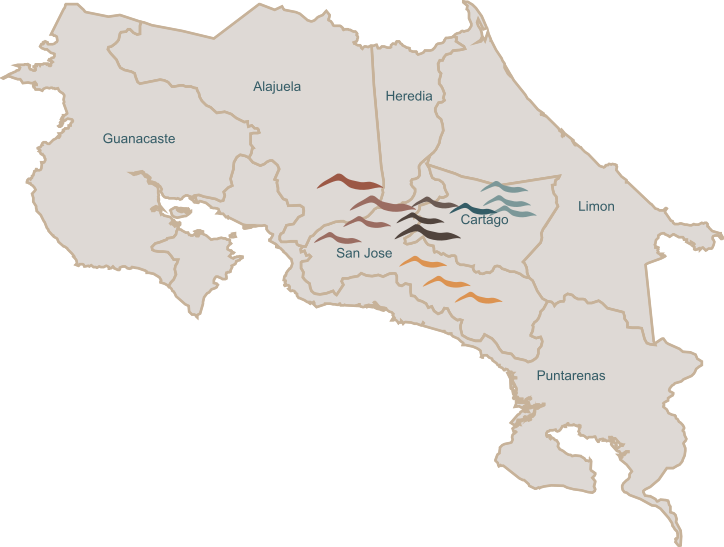

The Central Valley of Costa Rica is a key coffee-growing region situated around the capital city of San José. It's known as one of the oldest coffee-producing regions in the country. Historically, coffee has been a vital part of the region's cultural identity, with traditions passed down through generations.
The region's altitude generally ranges from 900 to 1,200 meters, situated in the highlands surrounding the capital city of San José. The diverse terrain and volcanic soils contribute to a range of microclimates suitable for coffee growing.
Central Valley is known for their cup profiles with citrus notes, floral aromatics, sweet notes like caramel and chocolate and round bodies.
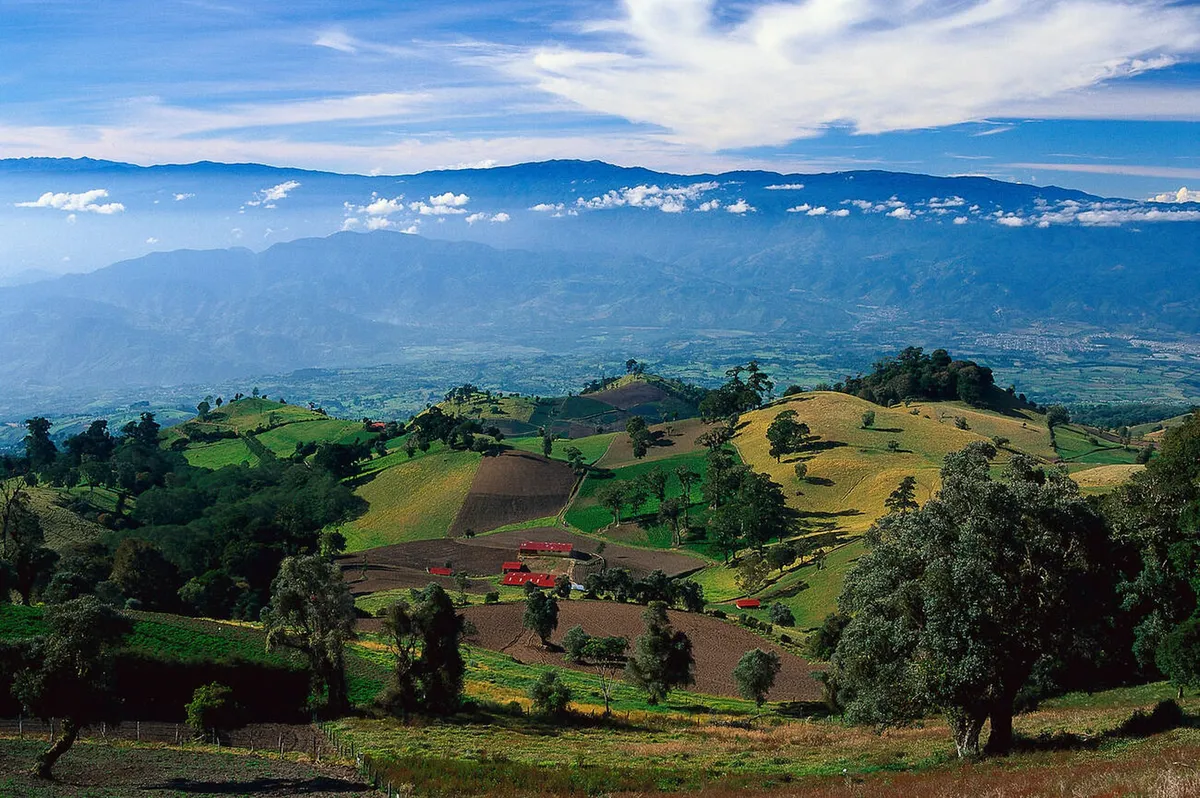

Tarrazú is a renowned coffee-growing region located in the highlands of Costa Rica. The coffee plantations here sit at altitudes ranging from approximately 1,200 to 1,900 meters (3,940 to 6,230 feet) above sea level. These high elevations, combined with unique microclimates and volcanic soils, create ideal conditions for high-quality coffee.
The area's favorable growing conditions and coffee quality attracted European and local farmers, resulting in a community deeply rooted in coffee tradition. Over time, the region became synonymous with exceptional coffee, setting benchmarks for quality that resonate globally.
Tarrazú boasts a protected Denomination of Origin (D.O.), which guarantees its geographical origin and quality. The use of the “Tarrazú” name is legally restricted to coffee cultivated and processed within specific geographic boundaries, ensuring authenticity and consistency. The D.O. certification requires producers to meet strict standards regarding variety, altitude, soil composition, and processing methods to preserve the region’s unique characteristics.
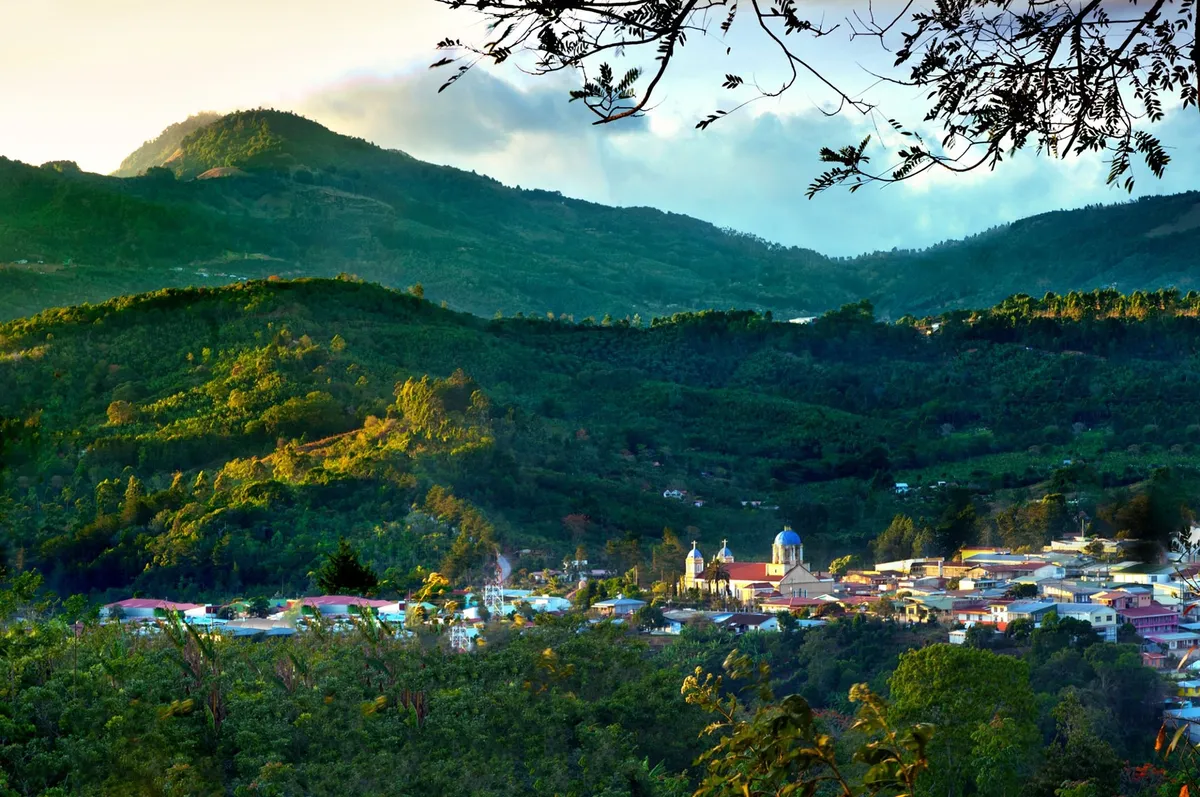

Tres Ríos, meaning "Three Rivers," is a renowned coffee-growing region located east of San José, Costa Rica. Its high-altitude farms typically range from 1,200 to 1,650 meters above sea level.
Coffee cultivation in Tres Ríos began in the 19th century, rapidly expanding due to its ideal climate and fertile volcanic soils. The region has a long-standing tradition of quality and is regarded as one of Costa Rica's most prestigious coffee regions, often referred to as the “Bordeaux” of Costa Rica.
The volcanic soil from Irazú volcano and altitude contribute to the coffee’s richness and complexity. Coffees from Tres Ríos typically have a balanced flavor profile, known for their bright acidity, smooth body, and distinct notes of citrus, chocolate, and subtle hints of nuts and dried fruits.
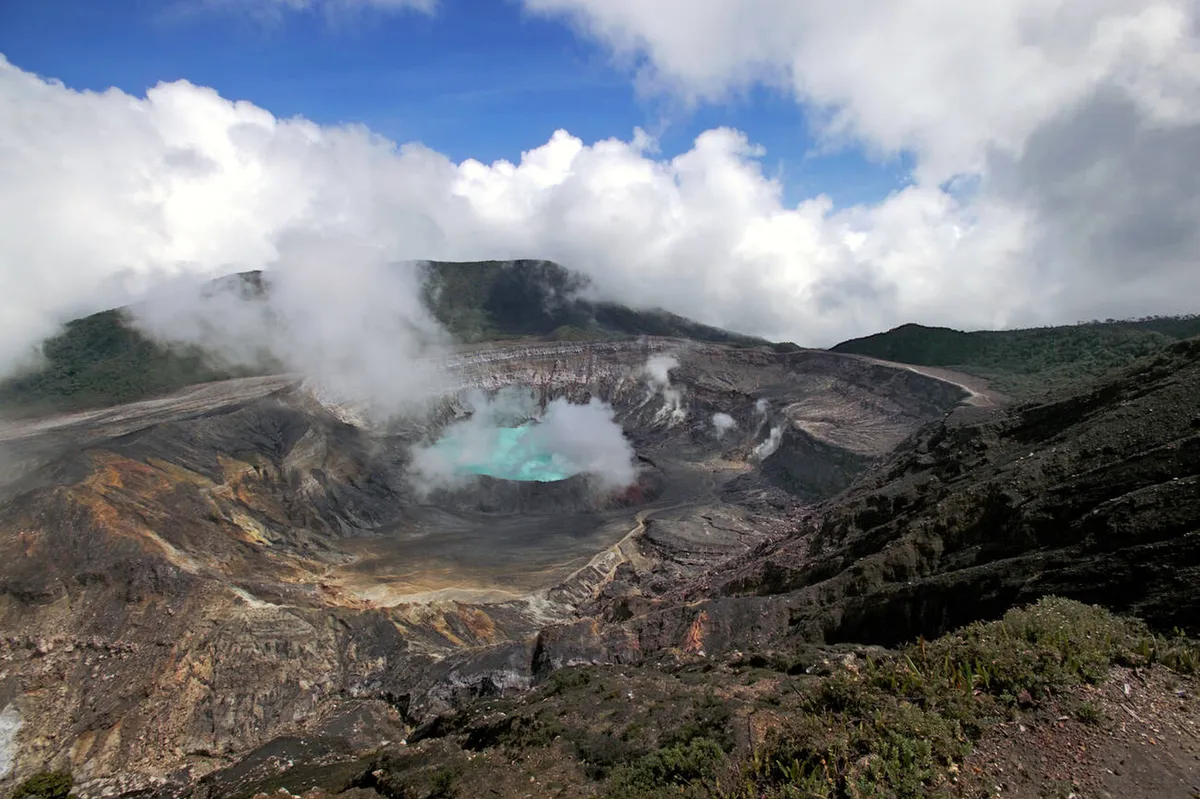

Orosi is a region in the Cartago province, situated in a valley about 40 kilometers from San José. The area's climate and volcanic soil, influenced by the Orosi River, create ideal conditions for growing coffee. The Orosi Valley is a picturesque coffee-growing region nestled in the mountains of Costa Rica, known for its steep hillsides and lush green landscapes, the coffee farms here are typically located at altitudes ranging from 1,000 to 1,700 meters above sea level.
Coffee from the Orosi Valley is recognized for its balance, cleanliness, and complexity. It enjoys international appeal and is often included in specialty blends for its versatility with smooth, mild acidity, fruity notes and chocolate notes.
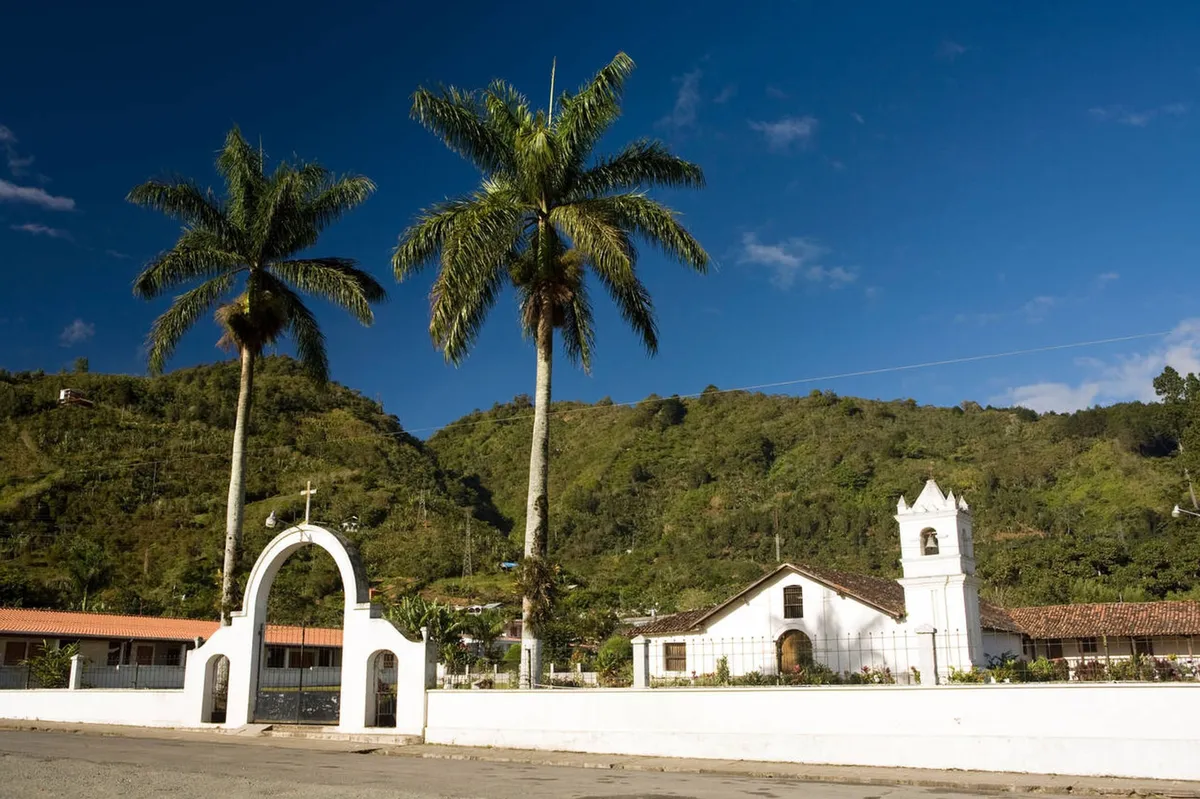

Turrialba is a renowned coffee-growing region in Costa Rica, located in the province of Cartago, near the Turrialba Volcano. The region's coffee farms are situated at altitudes ranging from approximately 600 to 1,600 meters above sea level. This diverse altitude range, combined with its volcanic soils and tropical climate, creates a wide array of microclimates conducive to cultivating high-quality coffee.
Turrialba is home to the Tropical Agricultural Research and Higher Education Center (CATIE), which has significantly influenced coffee research, innovation, and sustainable practices in Costa Rica and Latin America.
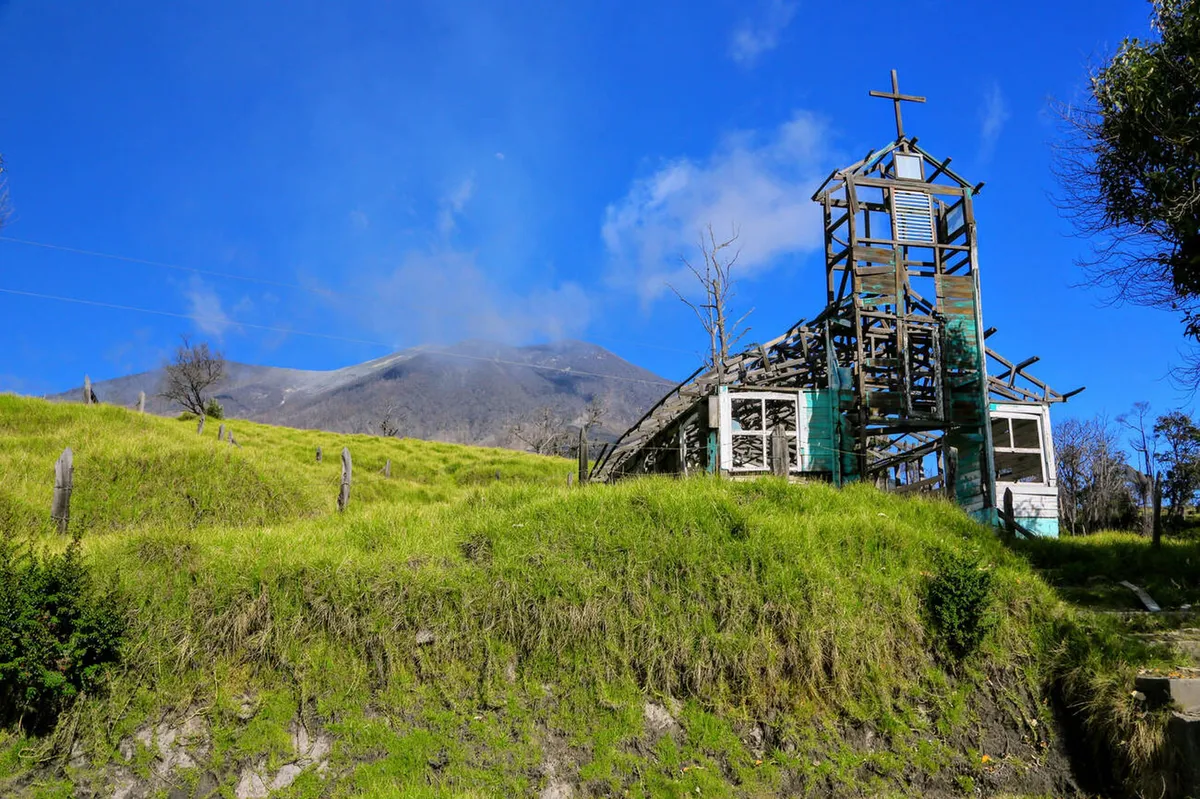

The Brunca region is situated in the southern part of Costa Rica, encompassing areas within the Puntarenas province and bordering Panama. The coffee farms here range from approximately 800 to 1,800 meters above sea level. The region’s diverse altitudes, rugged terrain, and proximity to the Talamanca mountain range which includes Cerro Chirripó, Costa Rica’s highest peak create various microclimates, weather patterns, rainfall, and temperature distribution in the region that are ideal for high-quality coffee cultivation.
While some coffee cultivation may have existed earlier in the region, its significant development as a coffee-producing area is more recent. Historically, the Brunca region primarily focused on other agricultural activities, notably cattle breeding and milk production. Increasing global demand for specialty coffee has incentivized farmers to diversify and invest in specialty coffee.
About Costa Rica
Costa Rica is a leader in organic, Fair Trade, and Rainforest Alliance certified coffees. Strict quality controls, modern processing, and full traceability make it a global benchmark for excellence. The country is also unique for having a law that protects producers and ensures fairness, innovation, and sustainability in coffee production.
The Central Valley of Costa Rica is a key coffee-growing region situated around the capital city of San José. It's known as one of the oldest coffee-producing regions in the country. Historically, coffee has been a vital part of the region's cultural identity, with traditions passed down through generations.
The region's altitude generally ranges from 900 to 1,200 meters, situated in the highlands surrounding the capital city of San José. The diverse terrain and volcanic soils contribute to a range of microclimates suitable for coffee growing.
Central Valley is known for their cup profiles with citrus notes, floral aromatics, sweet notes like caramel and chocolate and round bodies.
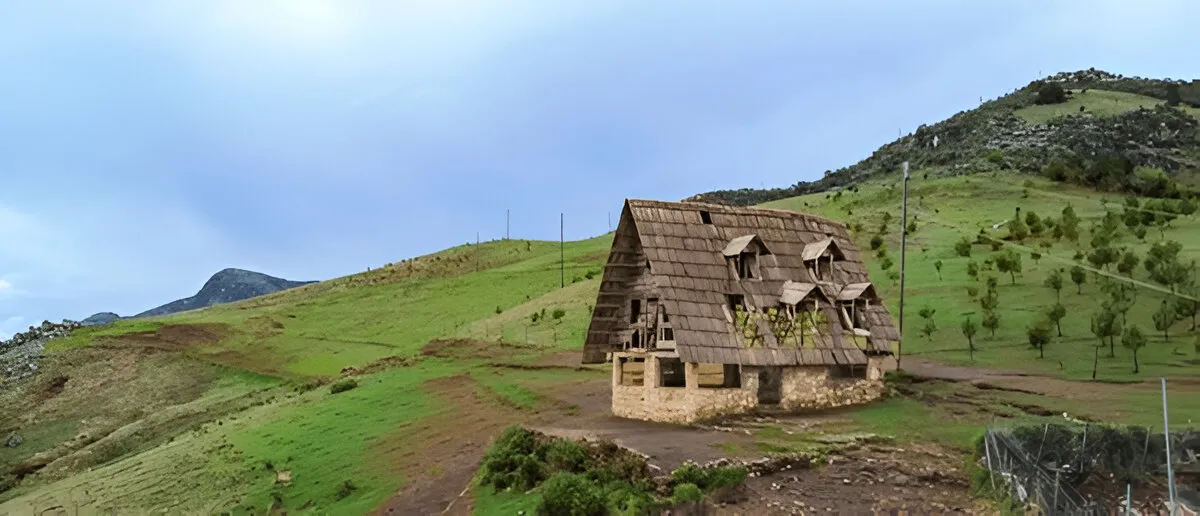
Tarrazú is a renowned coffee-growing region located in the highlands of Costa Rica. The coffee plantations here sit at altitudes ranging from approximately 1,200 to 1,900 meters (3,940 to 6,230 feet) above sea level. These high elevations, combined with unique microclimates and volcanic soils, create ideal conditions for high-quality coffee.
The area's favorable growing conditions and coffee quality attracted European and local farmers, resulting in a community deeply rooted in coffee tradition. Over time, the region became synonymous with exceptional coffee, setting benchmarks for quality that resonate globally.
arrazú boasts a protected Denomination of Origin (D.O.), which guarantees its geographical origin and quality. The use of the “Tarrazú” name is legally restricted to coffee cultivated and processed within specific geographic boundaries, ensuring authenticity and consistency. The D.O. certification requires producers to meet strict standards regarding variety, altitude, soil composition, and processing methods to preserve the region’s unique characteristics.
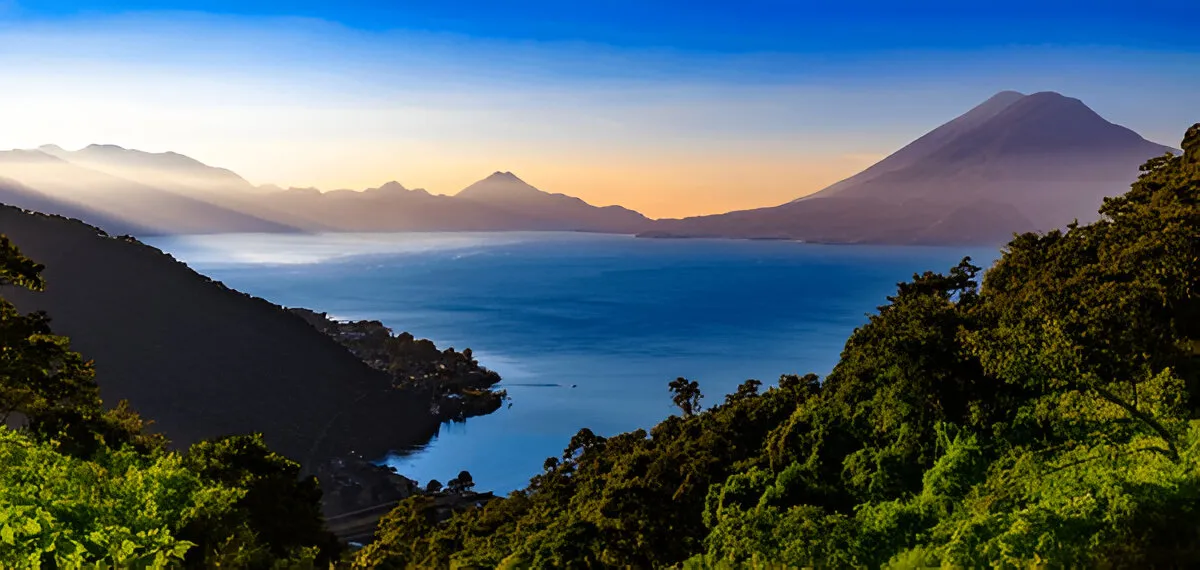
Tres Ríos, meaning "Three Rivers," is a renowned coffee-growing region located east of San José, Costa Rica. Its high-altitude farms typically range from 1,200 to 1,650 meters above sea level.
Coffee cultivation in Tres Ríos began in the 19th century, rapidly expanding due to its ideal climate and fertile volcanic soils. The region has a long-standing tradition of quality and is regarded as one of Costa Rica's most prestigious coffee regions, often referred to as the “Bordeaux” of Costa Rica.
The volcanic soil from Irazú volcano and altitude contribute to the coffee’s richness and complexity. Coffees from Tres Ríos typically have a balanced flavor profile, known for their bright acidity, smooth body, and distinct notes of citrus, chocolate, and subtle hints of nuts and dried fruits.
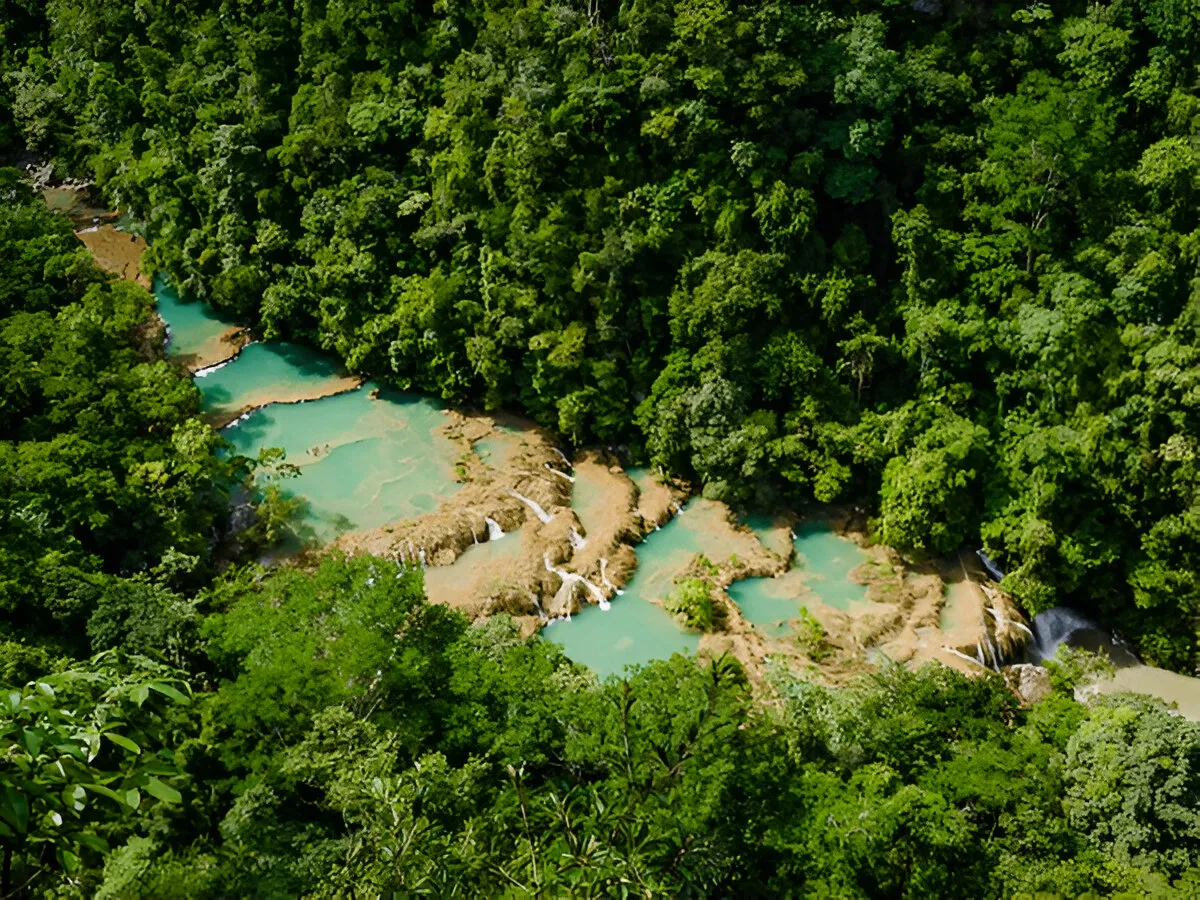
Orosi is a region in the Cartago province, situated in a valley about 40 kilometers from San José. The area's climate and volcanic soil, influenced by the Orosi River, create ideal conditions for growing coffee. The Orosi Valley is a picturesque coffee-growing region nestled in the mountains of Costa Rica, known for its steep hillsides and lush green landscapes, the coffee farms here are typically located at altitudes ranging from 1,000 to 1,700 meters above sea level.
Coffee from the Orosi Valley is recognized for its balance, cleanliness, and complexity. It enjoys international appeal and is often included in specialty blends for its versatility with smooth, mild acidity, fruity notes and chocolate notes.
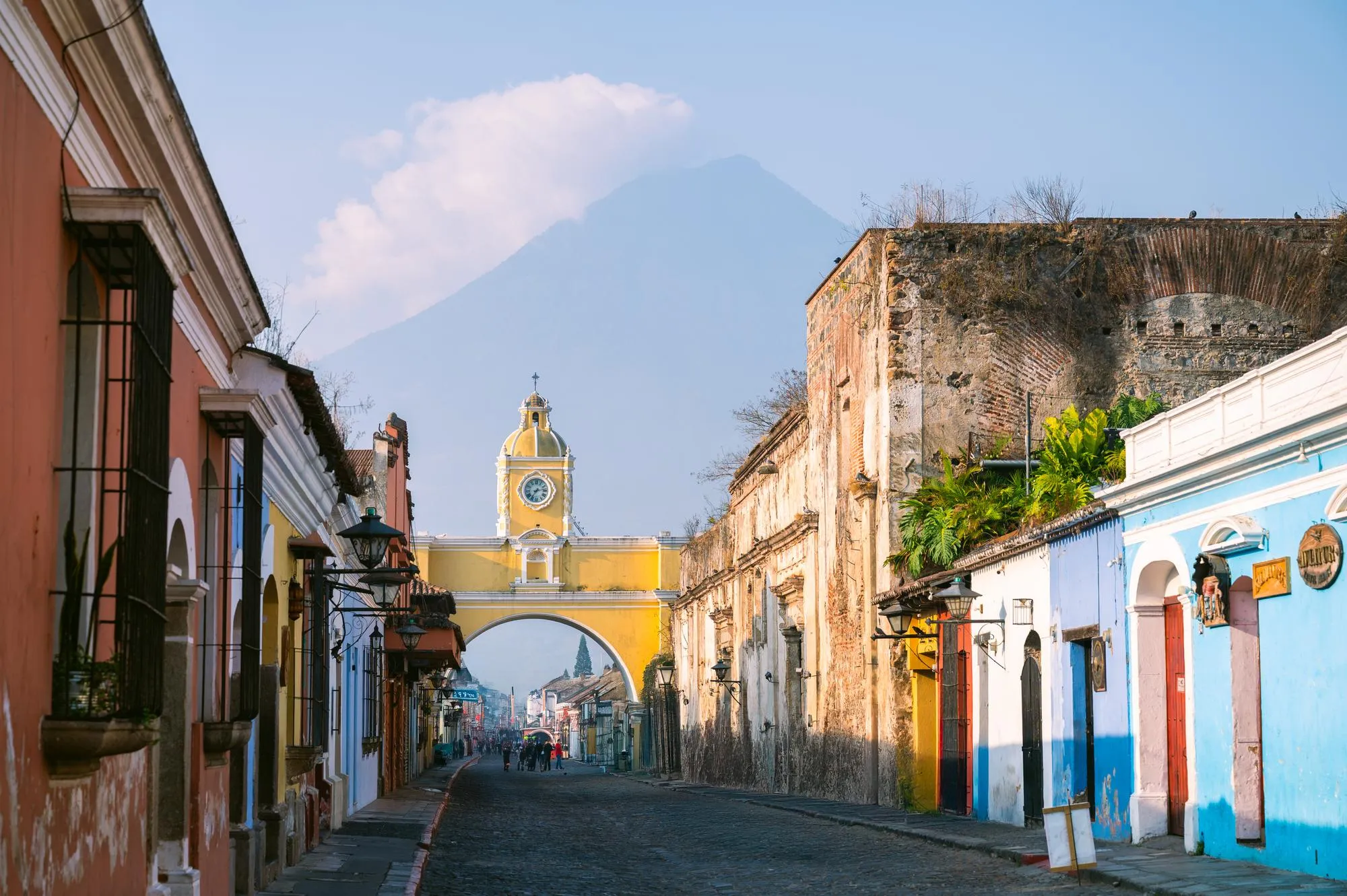
Turrialba is a renowned coffee-growing region in Costa Rica, located in the province of Cartago, near the Turrialba Volcano. The region's coffee farms are situated at altitudes ranging from approximately 600 to 1,600 meters above sea level. This diverse altitude range, combined with its volcanic soils and tropical climate, creates a wide array of microclimates conducive to cultivating high-quality coffee.
Turrialba is home to the Tropical Agricultural Research and Higher Education Center (CATIE), which has significantly influenced coffee research, innovation, and sustainable practices in Costa Rica and Latin America.
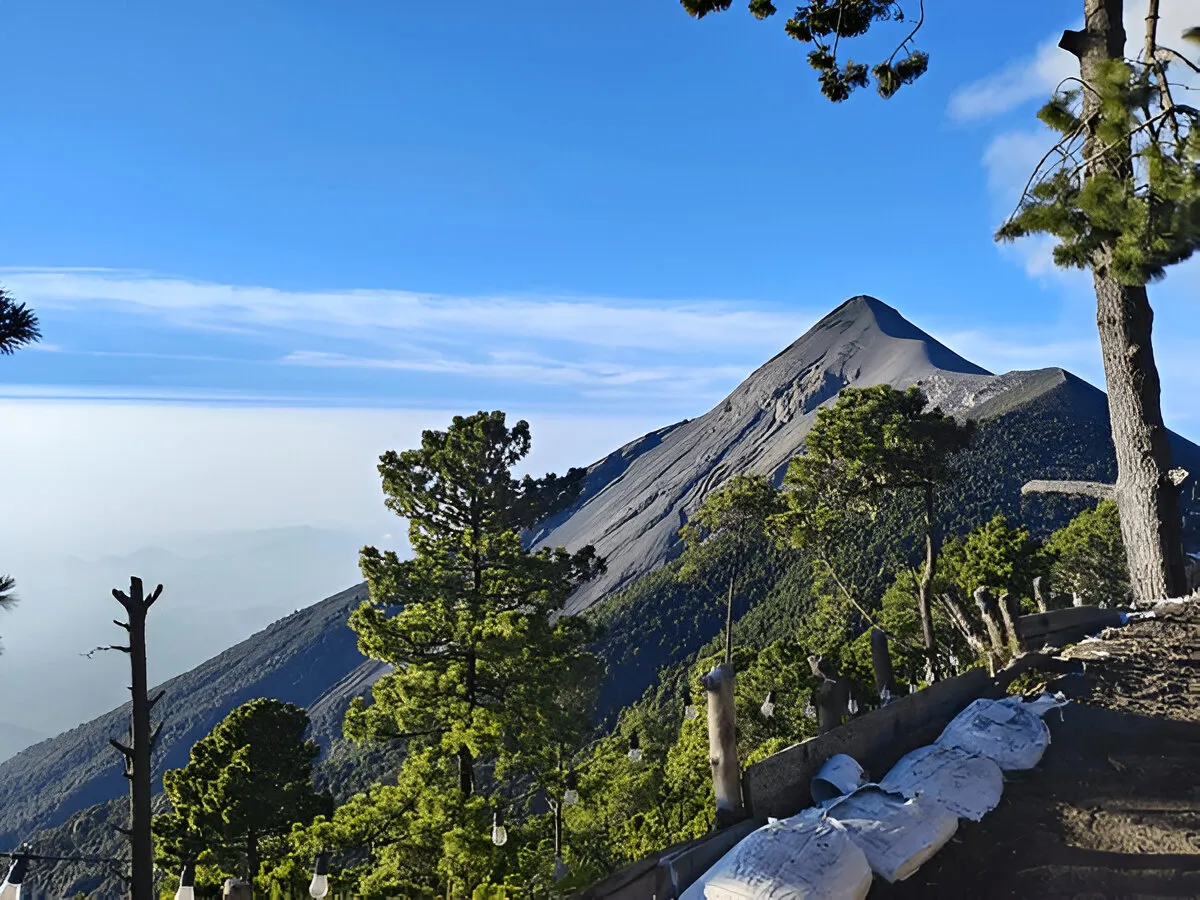
The Brunca region is situated in the southern part of Costa Rica, encompassing areas within the Puntarenas province and bordering Panama. The coffee farms here range from approximately 800 to 1,800 meters above sea level. The region’s diverse altitudes, rugged terrain, and proximity to the Talamanca mountain range which includes Cerro Chirripó, Costa Rica’s highest peak create various microclimates, weather patterns, rainfall, and temperature distribution in the region that are ideal for high-quality coffee cultivation.
While some coffee cultivation may have existed earlier in the region, its significant development as a coffee-producing area is more recent. Historically, the Brunca region primarily focused on other agricultural activities, notably cattle breeding and milk production. Increasing global demand for specialty coffee has incentivized farmers to diversify and invest in specialty coffee.


History
Coffee cultivation began in the early 1800s, becoming Costa Rica’s first major export and a pillar of its economy. By the 19th century, infrastructure and trade routes strengthened exports, especially to Europe. Costa Rica is credited with pioneering microlot production and natural processing methods, innovations that helped establish its reputation as a leader in specialty coffee worldwide.

Qualities
From Medium Hard Bean to Strictly Hard Bean, each grade reflects altitude, density, and cup quality, ensuring consistency and excellence in every harvest and exportation.
MHB (Screen Size 14-)
The Medium Hard Bean grade refers to coffees grown between 500–900m.a.s.l, offering a balanced cup with moderate acidity and nutty-chocolate notes.
MHB (Screen size 14-): stands for "Medium Hard Bean" and is a classification used in Costa Rica to describe coffee beans cultivated at moderate altitudes, generally between 500 and 900 meters above sea level. Bean hardness is intermediate compared to higher-altitude beans. The cup profiles tend to have a balanced flavor profile with moderate acidity and flavour notes may include nuts, chocolate, and mild fruits.

GHB (Screen Size 14-16)
The Good Hard Bean classification indicates beans from 1,000–1,200m.a.s.l, known for medium acidity, smooth body, and chocolate-hazelnut flavors, often scoring 82–83 points.
GHB (Screen size 14-16): GHB, which stands for Good Hard Bean, is a quality classification for Costa Rican coffee beans grown at specific altitudes, ranging between 1,000 and 1,200 meters above sea level. The mid-range elevation contributes to slower bean maturation, the cup profile gives medium acidity and notes of chocolate and hazelnut. If we are talking about cup scores an GHB coffee will rank between 82-83 points.
SHB (Screen Size 15+)
The Strictly Hard Bean category is for beans grown above 1,200m.a.s.l, prized for their density, crisp acidity, floral notes, and chocolate undertones, typically 83–84 points.
SHB (Screen Size 15+): SHB, or Strictly Hard Bean, is a classification used for Costa Rican coffee grown at high altitudes, typically above 1,200 meters above sea level. This grading signifies superior quality due to higher elevation, cooler temperatures and slower maturation process which increases the bean density. The cup profiles are rich in sweetness and crisp acidity, floral notes with flavours like chocolate, caramels and nuts. If we are talking about cup scores an SHB coffee will rank between 83-84 points.
SHG+ (Screen Size 15+)
The Strictly High Grown grade highlights beans cultivated at higher altitudes with refined practices, delivering exceptional complexity and scores of 84.5–85.5 points.
Same conditions as an SHG but due to better processing, varieties, higher altitudes and farm practices coffee can achieve cup scores from 84.5-85.5.
Regions
From the Central Valley and Tarrazú to Tres Ríos, Orosí, Turrialba, and Brunca, each area combines volcanic soils and high altitudes to create distinctive, world-class profiles.
Valle Central
Citrus, caramel, and chocolate notes with round body.
The Central Valley of Costa Rica is a key coffee-growing region situated around the capital city of San José. It's known as one of the oldest coffee-producing regions in the country. Historically, coffee has been a vital part of the region's cultural identity, with traditions passed down through generations.
The region's altitude generally ranges from 900 to 1,200 meters, situated in the highlands surrounding the capital city of San José. The diverse terrain and volcanic soils contribute to a range of microclimates suitable for coffee growing.
Central Valley is known for their cup profiles with citrus notes, floral aromatics, sweet notes like caramel and chocolate and round bodies.
Tarrazú
Denomination of Origin, bright acidity and floral complexity.
Tarrazú is a renowned coffee-growing region located in the highlands of Costa Rica. The coffee plantations here sit at altitudes ranging from approximately 1,200 to 1,900 meters above sea level. These high elevations, combined with unique microclimates and volcanic soils, create ideal conditions for high-quality coffee.
The area's favorable growing conditions and coffee quality attracted European and local farmers, resulting in a community deeply rooted in coffee tradition. Over time, the region became synonymous with exceptional coffee, setting benchmarks for quality that resonate globally.
Tarrazú boasts a protected Denomination of Origin (D.O.), which guarantees its geographical origin and quality. The use of the “Tarrazú” name is legally restricted to coffee cultivated and processed within specific geographic boundaries, ensuring authenticity and consistency.
Tres Ríos
Balanced cup with citrus, chocolate, and nutty flavors.
Tres Ríos, meaning "Three Rivers," is a renowned coffee-growing region located east of San José, Costa Rica. Its high-altitude farms typically range from 1,200 to 1,650 meters above sea level.
Coffee cultivation in Tres Ríos began in the 19th century, rapidly expanding due to its ideal climate and fertile volcanic soils. The region has a long-standing tradition of quality and is regarded as one of Costa Rica's most prestigious coffee regions.
The volcanic soil from Irazú volcano and altitude contribute to the coffee’s richness and complexity. Coffees from Tres Ríos typically have a balanced flavor profile, known for their bright acidity, smooth body, and distinct notes of citrus, chocolate, and subtle hints of nuts and dried fruits.
Orosí
Clean, mild acidity with fruity and chocolate notes.
Orosi is a region in the Cartago province, situated in a valley about 40 kilometers from San José. The area's climate and volcanic soil, influenced by the Orosi River, create ideal conditions for growing coffee. The Orosi Valley is a picturesque coffee-growing region nestled in the mountains of Costa Rica, known for its steep hillsides and lush green landscapes, the coffee farms here are typically located at altitudes ranging from 1,000 to 1,700 meters above sea level.
Coffee from the Orosi Valley is recognized for its balance, cleanliness, and complexity. It enjoys international appeal and is often included in specialty blends for its versatility, mild acidity, fruity notes and chocolate.
Turrialba
Smooth coffees with tropical sweetness from volcanic soils.
Turrialba is a renowned coffee-growing region in Costa Rica, located in the province of Cartago, near the Turrialba Volcano. The region's coffee farms are situated at altitudes ranging from approximately 600 to 1,600 meters above sea level. Its volcanic soils and tropical climate, creates a wide array of microclimates conducive to cultivating high-quality coffee.
Turrialba is home to the Tropical Agricultural Research and Higher Education Center (CATIE), which has significantly influenced coffee research, innovation, and sustainable practices in Costa Rica and Latin America.
Brunca
Floral and fruity profiles from diverse southern microclimates.
The Brunca region is situated in the southern part of Costa Rica, encompassing areas within the Puntarenas province and bordering Panama. The coffee farms here range from approximately 800 to 1,800 meters above sea level. The region’s diverse altitudes, rugged terrain, and proximity to the Talamanca mountain range which includes Cerro Chirripó, Costa Rica’s highest peak create various microclimates, weather patterns, rainfall, and temperature distribution in the region that are ideal for high-quality coffee cultivation.
While some coffee cultivation may have existed earlier in the region, its significant development as a coffee-producing area is more recent. Historically, the Brunca region primarily focused on other agricultural activities, notably cattle breeding and milk production. Increasing global demand for specialty coffee has incentivized farmers to diversify and invest in specialty coffee.

Discover the Unique Flavors of Costa Rica Microlots and Certified Coffees
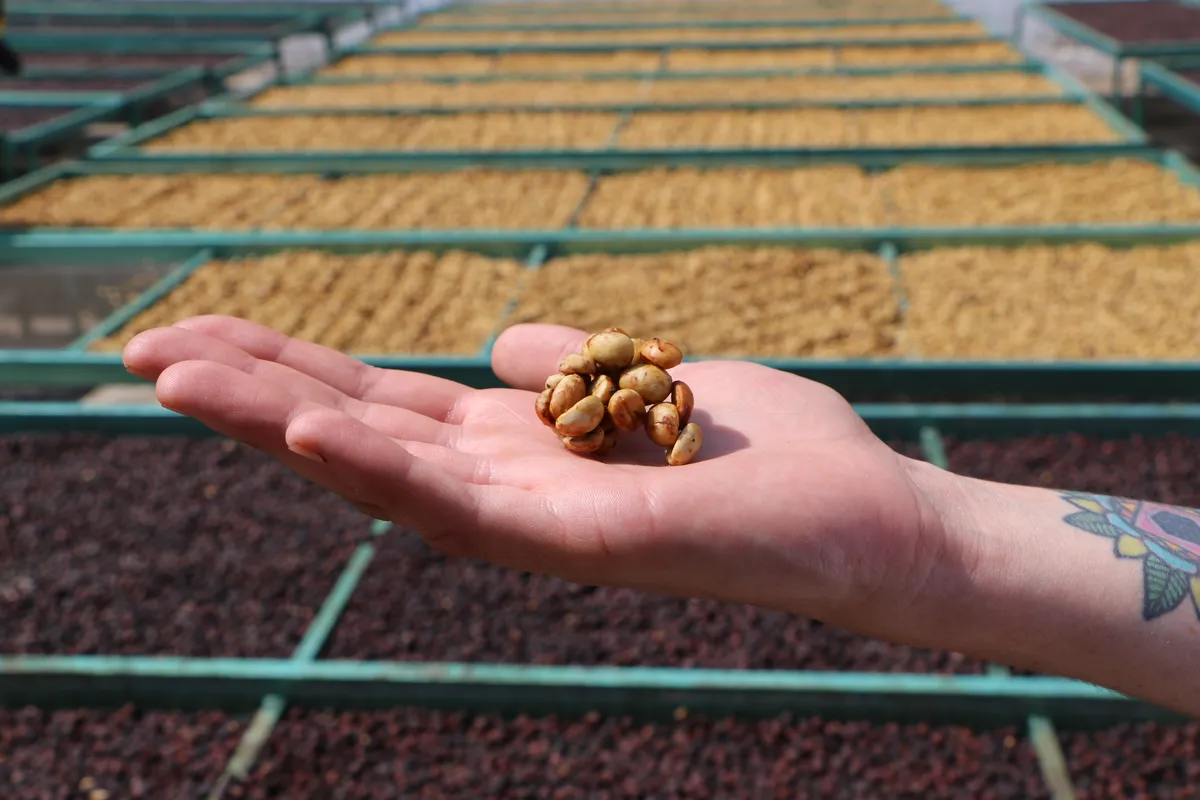
The microlots are available depending on the time of the year and harvest period, we can find a variety of different microlots in all the different processing methods: honey, natural, anaerobic, and washed.



Delivering the Exact Coffee You Seek
At Plateau Harvest, we specialize in connecting you directly with Latin America’s finest coffee origins. With years of expertise in sourcing and trading, we provide wholesale distribution built on transparency, quality, and efficient logistics—ensuring every lot meets your business needs.


-1.png)