


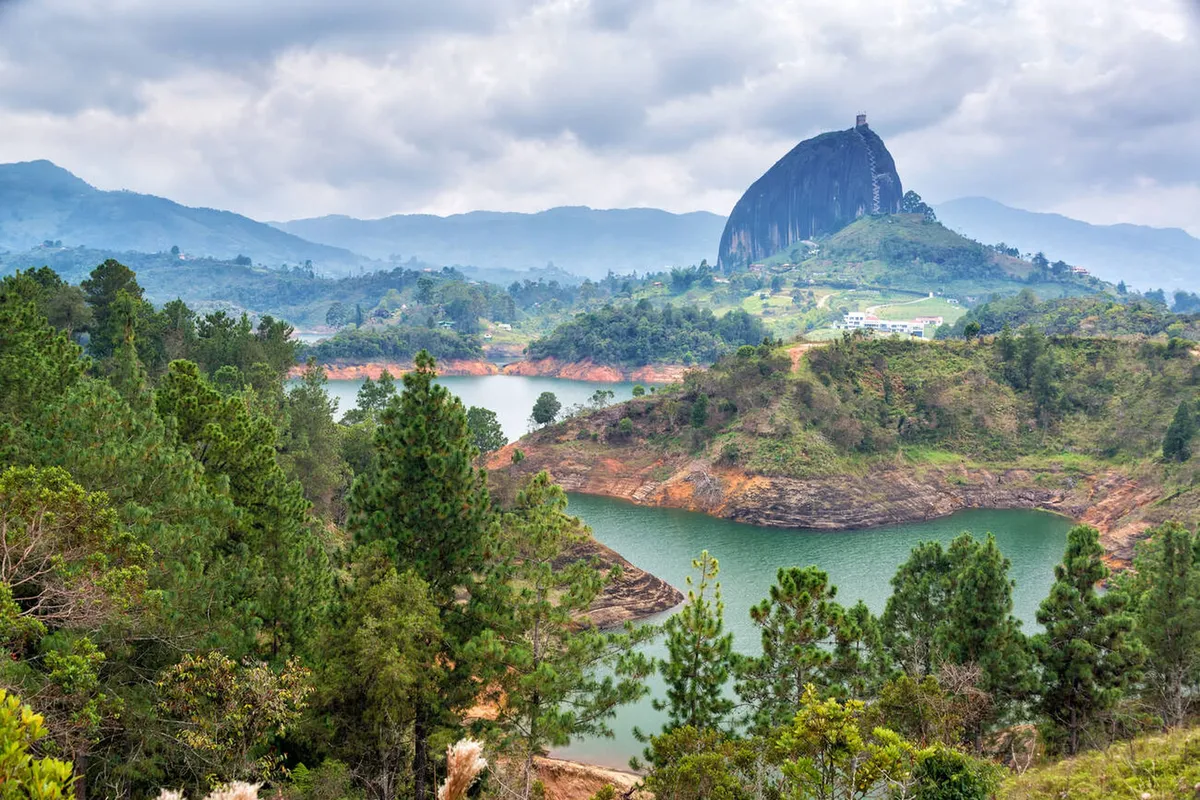
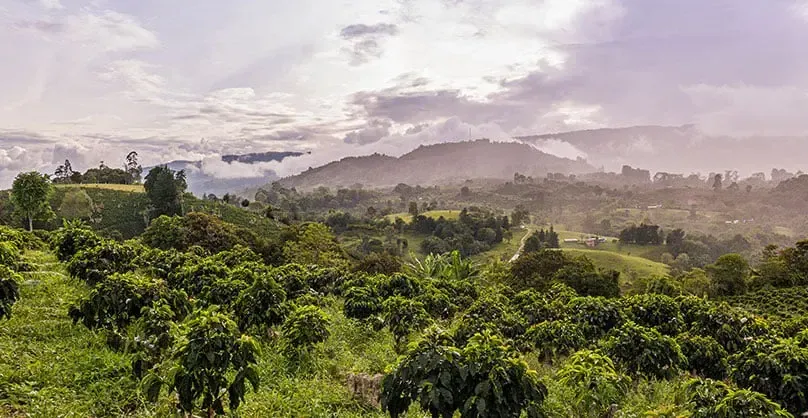
It's a mountainous region, with altitudes between 1,200 and 1,900 meters above sea level, a temperate and rainy climate with volcanic soils. The coffee culture is deeply rooted, with traditional and modern practices. Flavour profiles: balanced, notes of cocoa, nuts, and fruit. The region has a strong social component with rural communities and cooperatives that maintain ancestral traditions in coffee growing and processing.
In this region, the altitude and volcanic soils give the coffee a slower maturation, which is why the beans concentrate sweetness and develop cleaner, more complex profiles. Many farms here still combine shade-grown systems with traditional practices passed down through generations, while also adopting new methods to protect water sources and improve consistency. What really stands out is the link between families, cooperatives, and their land—coffee here is not only a crop, it’s part of the cultural fabric, and that sense of identity is reflected in every cup.

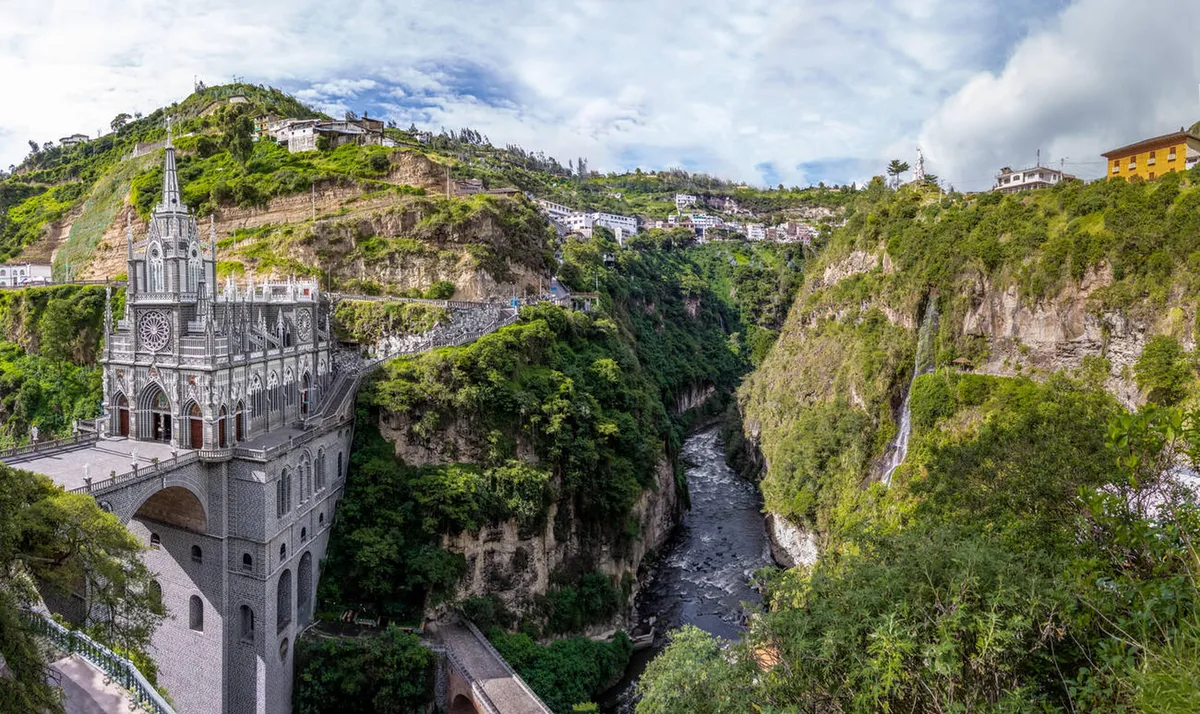
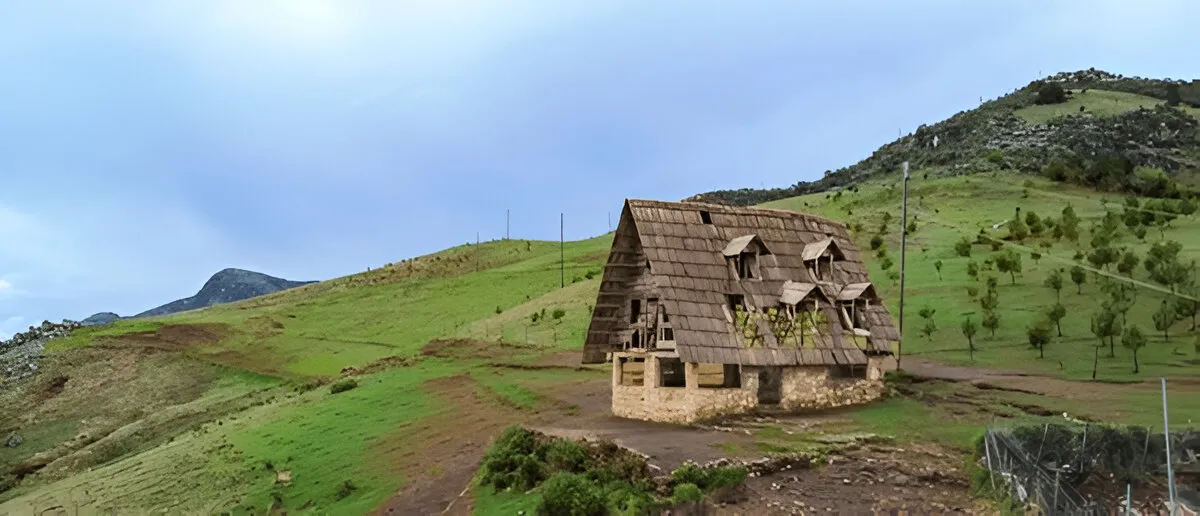
Located at high altitudes, over 1,600 meters above sea level. With cold climate, with diverse microclimates and volcanic soils. The cup profiles you can find are floral, citrus, round bodied, with high acidity and many fruity notes. Coffee culture in Nariño is very strong, it's what the producers harvest the most.
Coffee in Nariño is deeply tied to the geography and the way of life of its people. The region’s rugged mountains make farming a challenge, so most producers work on very small plots, often less than a hectare, where coffee is the main source of income. Because of this, communities have built strong networks of cooperatives that share knowledge, infrastructure, and access to markets. Seasonal harvests are celebrated almost like local festivals, with families and neighbors coming together to pick and process the cherries. This collective spirit has shaped a coffee culture where identity and pride are as important as quality, turning Nariño into an emblematic origin that represents resilience and heritage in every cup.

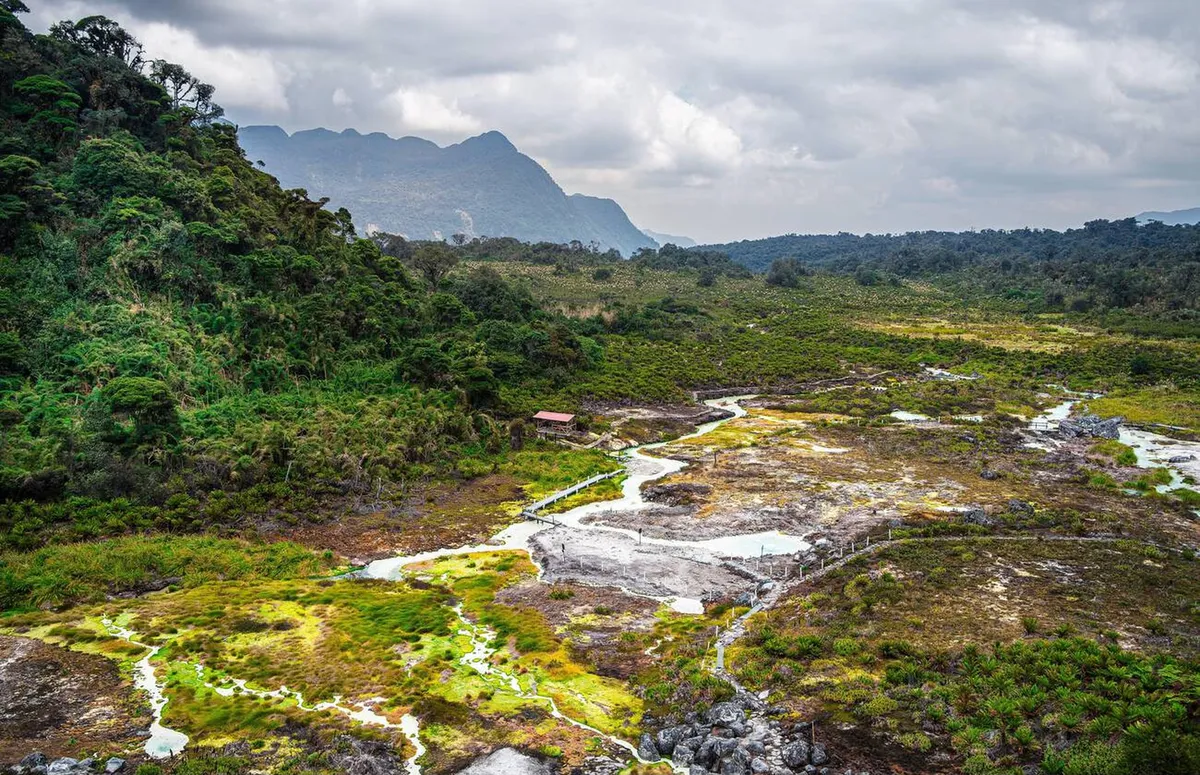
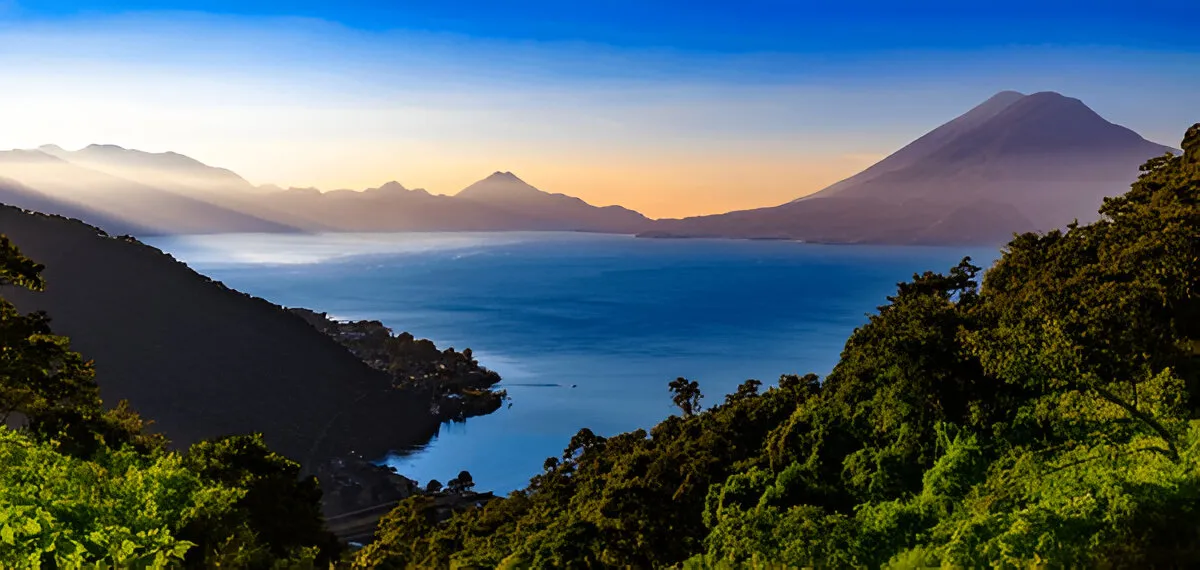
Similar altitudes to Nariño, in areas with varied microclimates. Aromatic profile, floral and fruity notes, with production on small farms that maintain traditional and sustainable practices.
Most of the coffee is grown on small family farms, where traditional knowledge blends with sustainable practices such as shade-grown systems and careful water management. Beyond flavor, Cauca is known for the strength of its producer organizations, which provide training, promote quality standards, and help smallholders gain visibility in specialty markets. This combination of environment, culture, and organization has positioned Cauca as one of Colombia’s most consistent and distinctive coffee origins.
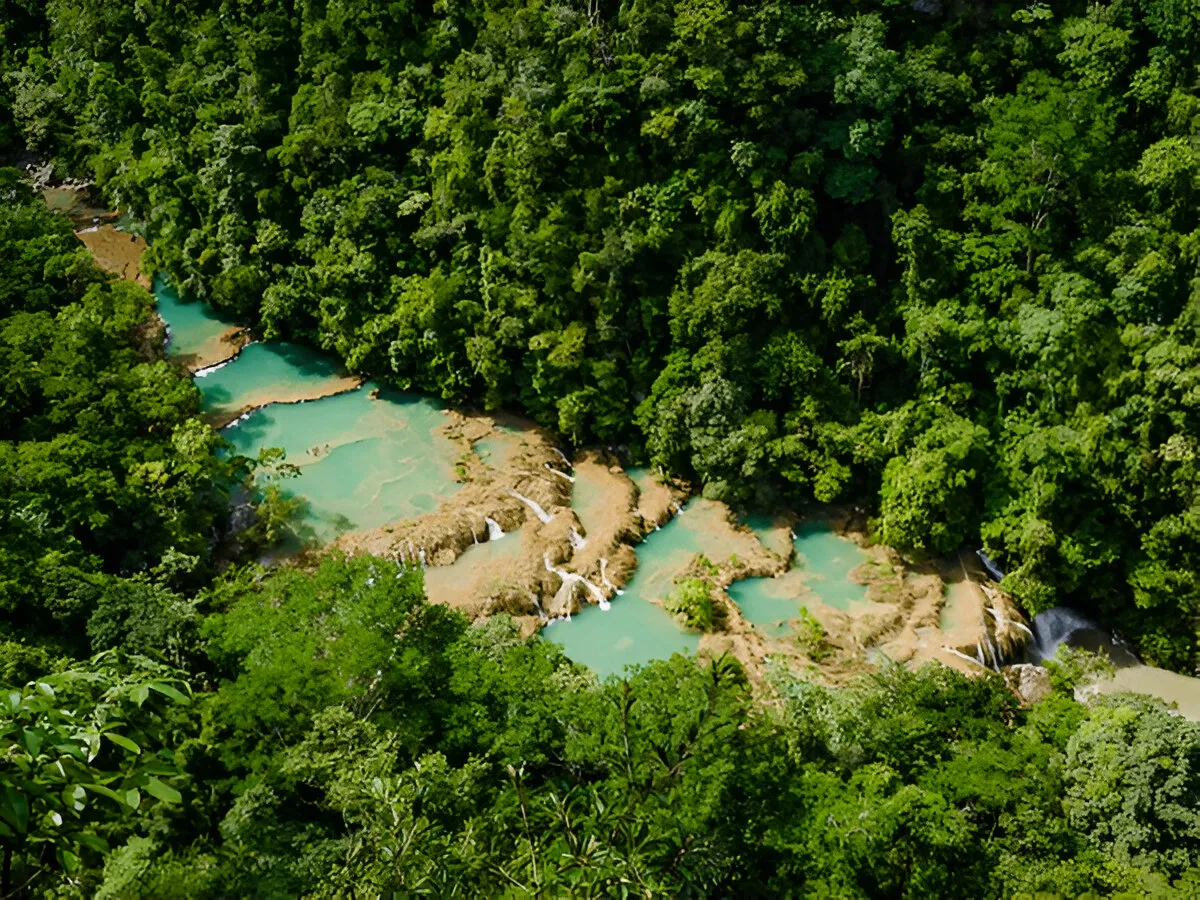
This region is located in the northern part of Colombia and features diverse microclimates due to its proximity to both the Caribbean Sea and high mountainous terrain. Altitudes range from 900 to 1,700 meters above sea level. The soil here is rich and fertile, contributing to a unique coffee profile characterized by sweet, fruity notes and balanced acidity. The coffee culture is influenced by indigenous communities that practice traditional and sustainable farming methods.
What makes Sierra Nevada remarkable is the way coffee is woven into the identity of its indigenous communities, such as the Arhuaco, Kogi, and Wiwa peoples. Their farming follows ancestral principles of harmony with nature, often integrating coffee with other crops in diversified systems that protect biodiversity. The region’s isolation from large urban centers has preserved not only its ecosystems but also its cultural traditions, giving its coffees a strong sense of origin and authenticity. Many producers here prioritize organic and shade-grown practices, which contribute to the clean, transparent profiles recognized in specialty markets. Beyond the cup, Sierra Nevada coffees carry a narrative of heritage, stewardship, and respect for the land that few other regions can match.


Situated in the southwest of Colombia, Huila is now the leading coffee-producing region in the country. This area boasts a diverse range of microclimates and altitudes between 1,200 and 1,800 meters above sea level. The volcanic soil and favorable climate conditions result in a complex flavor profile, with pronounced acidity and fruity, floral notes. Coffee growers in Huila are known for their commitment to quality and innovation, often working in smallholder farms and cooperatives.
Huila’s reputation goes beyond its cup quality—it has become a benchmark for how Colombian coffee connects local culture, innovation, and international recognition. The region has produced multiple winners of the Cup of Excellence, a reflection of the dedication to experimentation with fermentation techniques, microlots, and precise post-harvest practices. Unlike some other coffee areas, Huila’s production is spread across a wide network of smallholder farmers rather than a few large estates, which makes traceability and unique lot separation a cornerstone of its identity. The Magdalena River, which cuts through the region, plays a key role in shaping the climate and providing vital resources for farming communities. Alongside its agricultural importance, Huila has also developed a strong educational ecosystem, with local institutions and producer associations investing in training programs that empower new generations of growers to raise both quality and sustainability standards.
About Colombia
Coffee became a vital crop for Colombia in the 19th century, making the country one of the world’s leading coffee producers. Its diverse coffee belt, high altitudes, and volcanic soils allow nearly year-round harvests.
It's a mountainous region, with altitudes between 1,200 and 1,900 meters above sea level, a temperate and rainy climate with volcanic soils. The coffee culture is deeply rooted, with traditional and modern practices. Flavour profiles: balanced, notes of cocoa, nuts, and fruit. The region has a strong social component with rural communities and cooperatives that maintain ancestral traditions in coffee growing and processing.
In this region, the altitude and volcanic soils give the coffee a slower maturation, which is why the beans concentrate sweetness and develop cleaner, more complex profiles. Many farms here still combine shade-grown systems with traditional practices passed down through generations, while also adopting new methods to protect water sources and improve consistency. What really stands out is the link between families, cooperatives, and their land—coffee here is not only a crop, it’s part of the cultural fabric, and that sense of identity is reflected in every cup.
Located at high altitudes, over 1,600 meters above sea level. With cold climate, with diverse microclimates and volcanic soils. The cup profiles you can find are floral, citrus, round bodied, with high acidity and many fruity notes. Coffee culture in Nariño is very strong, it's what the producers harvest the most.
Coffee in Nariño is deeply tied to the geography and the way of life of its people. The region’s rugged mountains make farming a challenge, so most producers work on very small plots, often less than a hectare, where coffee is the main source of income. Because of this, communities have built strong networks of cooperatives that share knowledge, infrastructure, and access to markets. Seasonal harvests are celebrated almost like local festivals, with families and neighbors coming together to pick and process the cherries. This collective spirit has shaped a coffee culture where identity and pride are as important as quality, turning Nariño into an emblematic origin that represents resilience and heritage in every cup.
Similar altitudes to Nariño, in areas with varied microclimates. Aromatic profile, floral and fruity notes, with production on small farms that maintain traditional and sustainable practices.
Most of the coffee is grown on small family farms, where traditional knowledge blends with sustainable practices such as shade-grown systems and careful water management. Beyond flavor, Cauca is known for the strength of its producer organizations, which provide training, promote quality standards, and help smallholders gain visibility in specialty markets. This combination of environment, culture, and organization has positioned Cauca as one of Colombia’s most consistent and distinctive coffee origins.
This region is located in the northern part of Colombia and features diverse microclimates due to its proximity to both the Caribbean Sea and high mountainous terrain. Altitudes range from 900 to 1,700 meters above sea level. The soil here is rich and fertile, contributing to a unique coffee profile characterized by sweet, fruity notes and balanced acidity. The coffee culture is influenced by indigenous communities that practice traditional and sustainable farming methods.
What makes Sierra Nevada remarkable is the way coffee is woven into the identity of its indigenous communities, such as the Arhuaco, Kogi, and Wiwa peoples. Their farming follows ancestral principles of harmony with nature, often integrating coffee with other crops in diversified systems that protect biodiversity. The region’s isolation from large urban centers has preserved not only its ecosystems but also its cultural traditions, giving its coffees a strong sense of origin and authenticity. Many producers here prioritize organic and shade-grown practices, which contribute to the clean, transparent profiles recognized in specialty markets. Beyond the cup, Sierra Nevada coffees carry a narrative of heritage, stewardship, and respect for the land that few other regions can match.
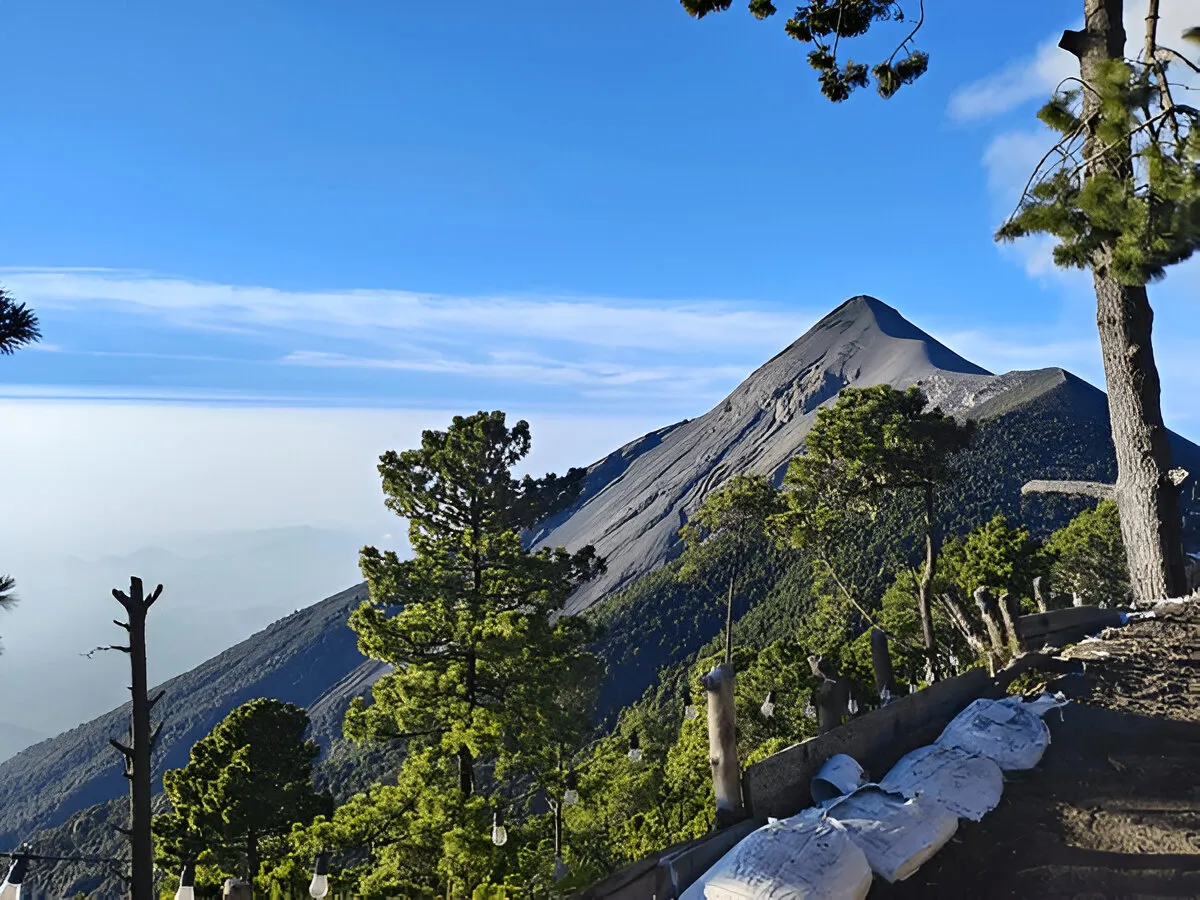
Situated in the southwest of Colombia, Huila is now the leading coffee-producing region in the country. This area boasts a diverse range of microclimates and altitudes between 1,200 and 1,800 meters above sea level. The volcanic soil and favorable climate conditions result in a complex flavor profile, with pronounced acidity and fruity, floral notes. Coffee growers in Huila are known for their commitment to quality and innovation, often working in smallholder farms and cooperatives.
Huila’s reputation goes beyond its cup quality—it has become a benchmark for how Colombian coffee connects local culture, innovation, and international recognition. The region has produced multiple winners of the Cup of Excellence, a reflection of the dedication to experimentation with fermentation techniques, microlots, and precise post-harvest practices. Unlike some other coffee areas, Huila’s production is spread across a wide network of smallholder farmers rather than a few large estates, which makes traceability and unique lot separation a cornerstone of its identity. The Magdalena River, which cuts through the region, plays a key role in shaping the climate and providing vital resources for farming communities. Alongside its agricultural importance, Huila has also developed a strong educational ecosystem, with local institutions and producer associations investing in training programs that empower new generations of growers to raise both quality and sustainability standards.


History
Coffee arrived in Colombia in the 18th century, expanding quickly in the 19th with regions like Antioquia, Huila, and Nariño leading the way. By the 1920s, coffee had become Colombia’s main export, shaping its economy and identity. The mid-20th century brought international recognition. Today, Colombia is one of the top Arabica exporters worldwide, admired for consistency and quality.


Qualities
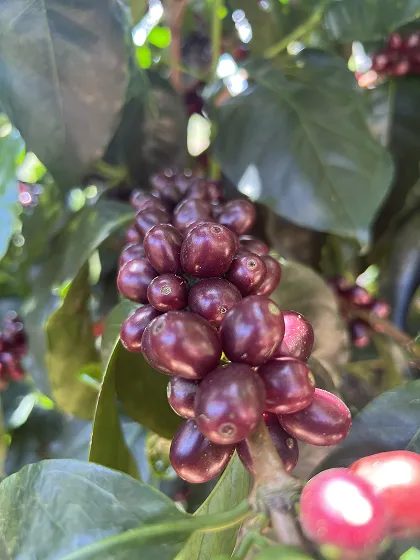
From UGQ to Supremo, each grade reflects the bean size, consistency, and unique flavor profiles that define Colombia's reputation for excellence.
UGQ (Screen 14)
Colombian coffees graded as Usual Good Quality, Screen 14 represent a reliable standard, valued for their balanced flavor.
The UGQ (Usual Good Quality) classification for Colombian coffee refers to a standard grade used in the coffee industry. It indicates a coffee of good quality that meets specific criteria related to bean size, condition, and the absence of defects. UGQ Colombian coffee is valued for its consistent quality, making it highly sought after in international markets, typically at accessible prices.
In terms of flavor, UGQ coffee is generally balanced, with mild acidity and a clean, smooth profile. While it may not showcase the most complex or bold flavors, UGQ Colombian coffee remains a reliable and satisfying choice for buyers seeking an excellent balance of price, quality, and consistency.

EP10 (Screen Size 15+)
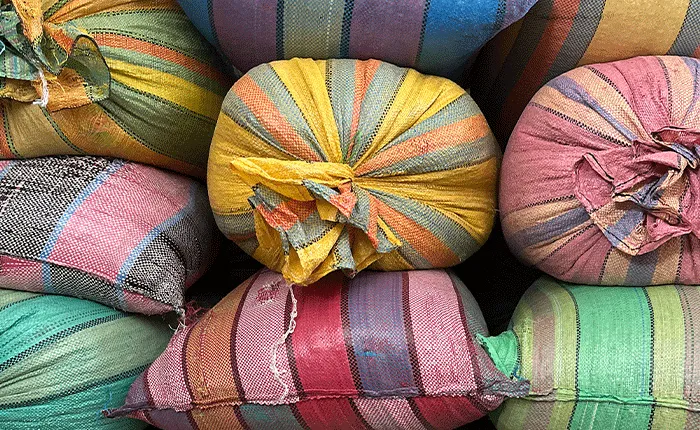
The Extra Premium, Screen 15+ classification highlights larger, well-formed beans.
EP10 in Colombian coffee grading refers to a specific classification based on bean size and quality. "EP" stands for Extra Premium, indicating high-quality coffee with large, well-formed beans.
EP10 is regarded as a premium grade known for its size, shape, and overall quality. Its flavor profile typically features clarity, consistency, and mild acidity, making it highly valued in the specialty coffee market. This grade signifies beans that meet strict standards for appearance and are free from defects, often originating from top coffee producing regions in Colombia.
Supremo (Screen Size 17)
Supremo is Colombia’s most recognized grade.
The Supremo grade in Colombian coffee refers to a specific category based on the size and quality of the beans. They are the largest and best-quality beans classified under Colombian standards. Their measure is of 17/64 inches or larger in diameter, which corresponds to the large size classification. It is considered a premium coffee, for its consistent quality, with bright acidity, balanced flavors, and clean cup profiles.
Regions
From the Coffee Belt and Nariño to Cauca, Huila, and Sierra Nevada, each area combines altitude, fertile solis, and diverse microclimates to produce balanced, aromatic, and world-class coffees.
Coffee Belt
The traditional heart of Colombian coffee, producing balanced cups with cocoa, nut, and fruit notes that define the country’s reputation.
It's a mountainous region, with altitudes between 1,200 and 1,900 meters above sea level, a temperate and rainy climate with volcanic soils. The coffee culture is deeply rooted, with traditional and modern practices. Flavour profiles: balanced, notes of cocoa, nuts, and fruit. The region has a strong social component with rural communities and cooperatives that maintain ancestral traditions in coffee growing and processing.
In this region, the altitude and volcanic soils give the coffee a slower maturation, which is why the beans concentrate sweetness and develop cleaner, more complex profiles. Many farms here still combine shade-grown systems with traditional practices passed down through generations, while also adopting new methods to protect water sources and improve consistency. What really stands out is the link between families, cooperatives, and their land—coffee here is not only a crop, it’s part of the cultural fabric, and that sense of identity is reflected in every cup.
Nariño
High-altitude farms close to the equator yield complex profiles with floral and citrus notes, bright acidity, and excellent sweetness.
Located at high altitudes, over 1,600 meters above sea level. With cold climate, with diverse microclimates and volcanic soils. The cup profiles you can find are floral, citrus, round bodied, with high acidity and many fruity notes. Coffee culture in Nariño is very strong, it's what the producers harvest the most.
Coffee in Nariño is deeply tied to the geography and the way of life of its people. The region’s rugged mountains make farming a challenge, so most producers work on very small plots, often less than a hectare, where coffee is the main source of income. Because of this, communities have built strong networks of cooperatives that share knowledge, infrastructure, and access to markets. Seasonal harvests are celebrated almost like local festivals, with families and neighbors coming together to pick and process the cherries. This collective spirit has shaped a coffee culture where identity and pride are as important as quality, turning Nariño into an emblematic origin that represents resilience and heritage in every cup.
Cauca
Mountain valleys and smallholder farms deliver vibrant coffees with fruity, floral flavors and a clean, balanced cup.
Similar altitudes to Nariño, in areas with varied microclimates. Aromatic profile, floral and fruity notes, with production on small farms that maintain traditional and sustainable practices.
Most of the coffee is grown on small family farms, where traditional knowledge blends with sustainable practices such as shade-grown systems and careful water management. Beyond flavor, Cauca is known for the strength of its producer organizations, which provide training, promote quality standards, and help smallholders gain visibility in specialty markets. This combination of environment, culture, and organization has positioned Cauca as one of Colombia’s most consistent and distinctive coffee origins.
Sierra Nevada
A unique coastal mountain range where indigenous communities grow coffees with smooth body, sweet tones, and distinct clarity.
This region is located in the northern part of Colombia and features diverse microclimates due to its proximity to both the Caribbean Sea and high mountainous terrain. Altitudes range from 900 to 1,700 meters above sea level. The soil here is rich and fertile, contributing to a unique coffee profile characterized by sweet, fruity notes and balanced acidity. The coffee culture is influenced by indigenous communities that practice traditional and sustainable farming methods.
Huila
Fertile volcanic soils and diverse microclimates create coffees with caramel sweetness, floral aromas, and consistent cup quality.
Situated in the southwest of Colombia, Huila is now the leading coffee-producing region in the country. This area boasts a diverse range of microclimates and altitudes between 1,200 and 1,800 meters above sea level. The volcanic soil and favorable climate conditions result in a complex flavor profile, with pronounced acidity and fruity, floral notes. Coffee growers in Huila are known for their commitment to quality and innovation, often working in smallholder farms and cooperatives.
Huila’s reputation goes beyond its cup quality—it has become a benchmark for how Colombian coffee connects local culture, innovation, and international recognition. The region has produced multiple winners of the Cup of Excellence, a reflection of the dedication to experimentation with fermentation techniques, microlots, and precise post-harvest practices. Unlike some other coffee areas, Huila’s production is spread across a wide network of smallholder farmers rather than a few large estates, which makes traceability and unique lot separation a cornerstone of its identity. The Magdalena River, which cuts through the region, plays a key role in shaping the climate and providing vital resources for farming communities. Alongside its agricultural importance, Huila has also developed a strong educational ecosystem, with local institutions and producer associations investing in training programs that empower new generations of growers to raise both quality and sustainability standards.

Discover the Unique Profiles of Colombia’s Microlots and Certified Coffees
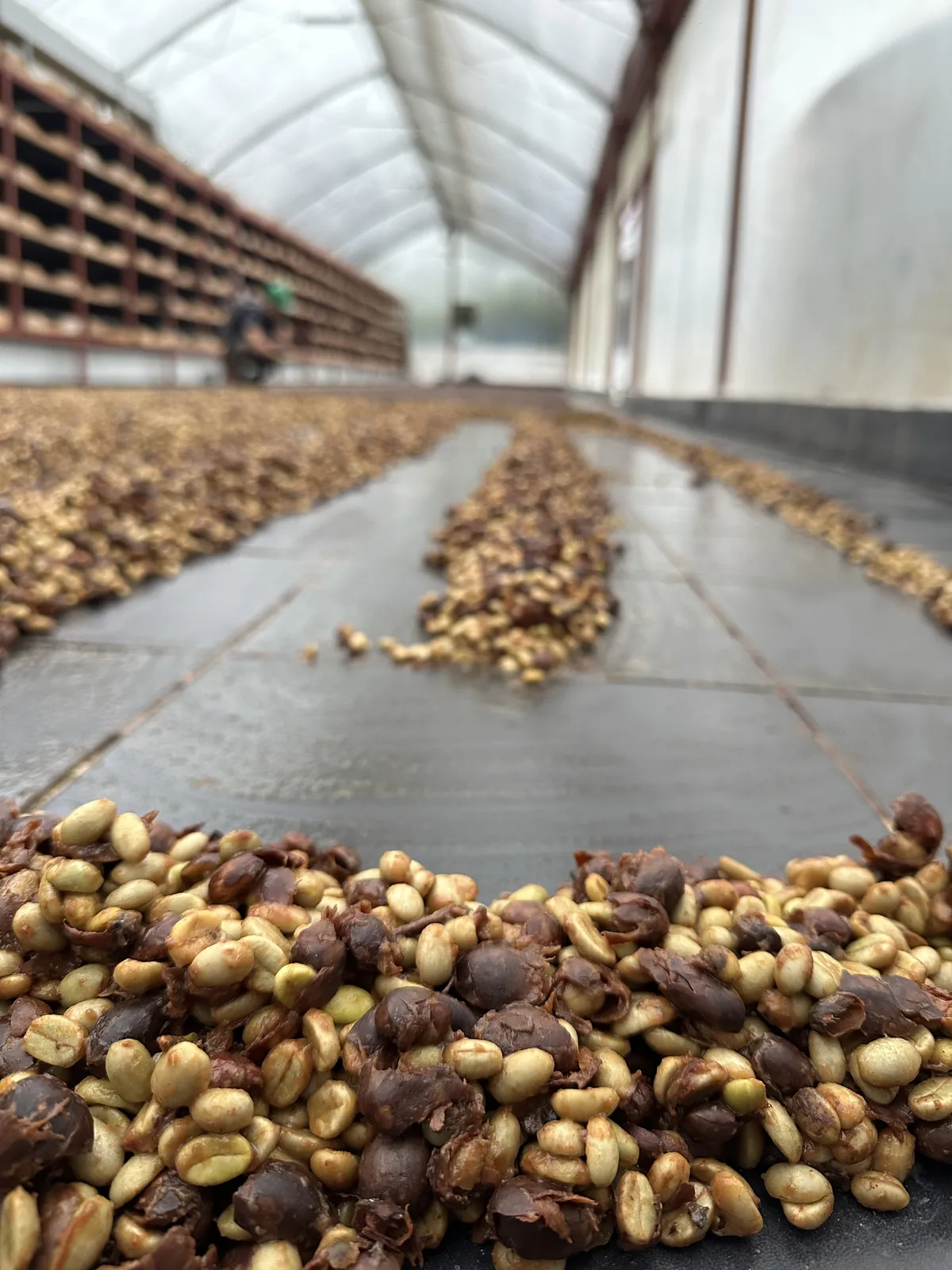
Colombian microlots vary with harvest season, offering exceptional diversity through honey, natural, anaerobic and fully washed processes. Each lot captures the richness of Colombia’s terroirs and innovative farming practices.




Delivering the Exact Coffee You Seek
At Plateau Harvest, we specialize in connecting you directly with Latin America’s finest coffee origins. With years of expertise in sourcing and trading, we provide wholesale distribution built on transparency, quality, and efficient logistics—ensuring every lot meets your business needs.