

About Honduras
Honduras offers diverse geography with mountains, volcanic soils, and altitudes from 900–1,900m.a.s.l, creating a wide range of flavor profiles. Coffee is deeply tied to community life, often harvested by entire families, and producers maintain a strong tradition of quality and sustainability.


Agalta is a region in Honduras, situated in the eastern part of the country, close to Olancho and to the Guatemalan border. Olancho features a tropical to subtropical climate, with altitudes ranging from around 300 meters in the plains to over 1,500 meters in the highlands. The cooler high-altitude zones are especially suitable for coffee cultivation. This tropical climate often produces a fruitier, sweeter tasting coffee, with hints of caramel and chocolate.
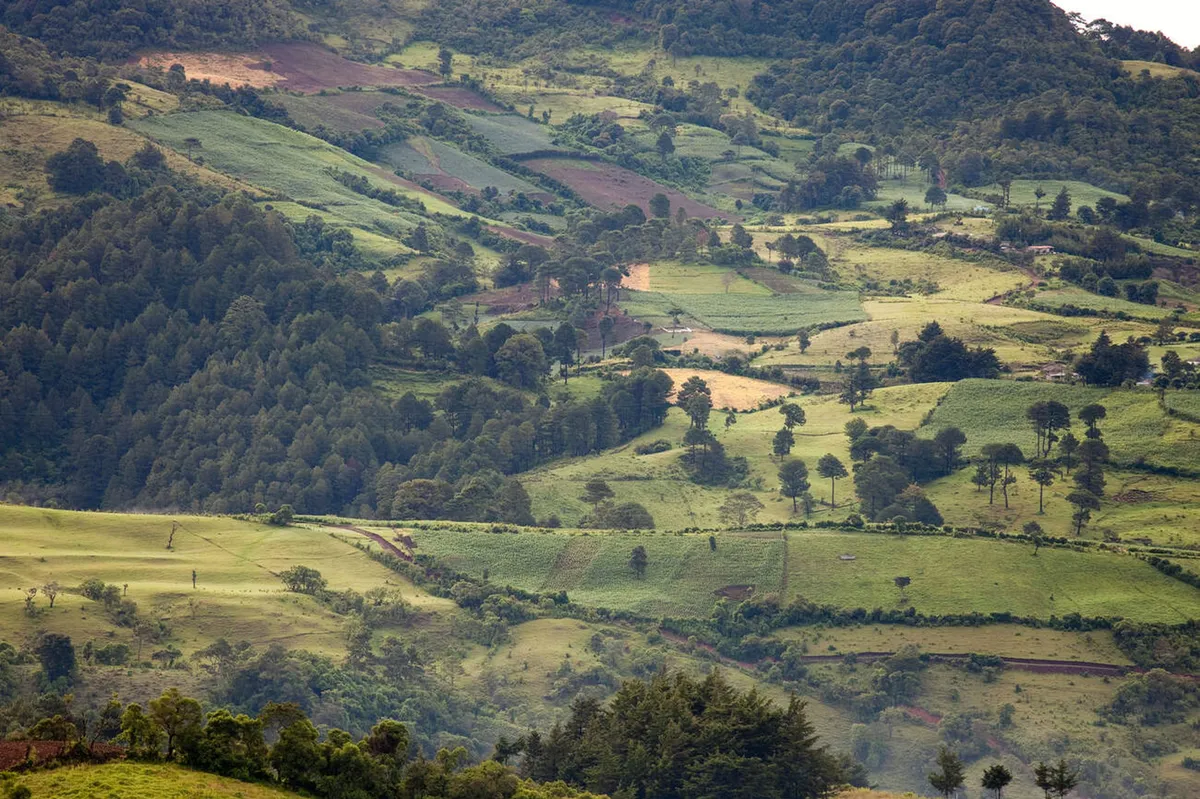

Situated in the south-central part of the country. The landscape features a series of hills and pine forests, creating an ideal environment for coffee cultivation. The region’s terrain is rich with nutrient-rich red clay soils, which contribute to the development of high-quality beans.
Historically, Comayagua was known for its mineral wealth, including gold, copper, cinnabar, asbestos, and silver. It also produced gemstones like opal and emerald and was famed for its excellent cattle. This rich natural history has contributed to the area's reputation for high-quality natural resources and craftsmanship, which now extend to coffee production.
In 2021 and 2020 coffees from Comayagua scored 90+ points in the Cup of Excellence auction. The coffee is praised for its bright acidity, floral aroma, nuanced citrus and fruity flavor and complex floral notes.
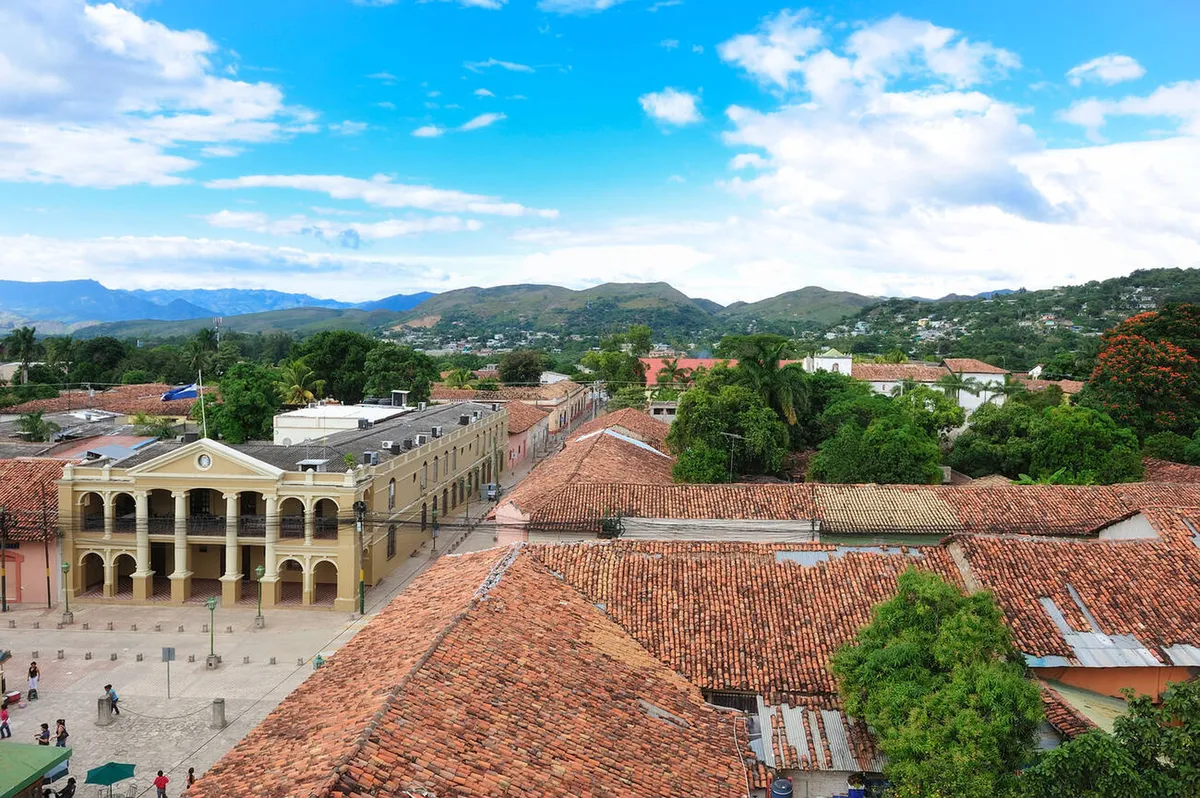

The Copán region in western Honduras is a renowned coffee-producing area, known for its exceptional quality and unique flavor profiles. Located near the border with Guatemala, it encompasses the departments of Copán, Ocotepeque, and parts of Santa Barbara. Copán's high altitudes (1,000-1,800 meters), volcanic soils and microclimates foster complex flavor profiles.
Santa Barbara has gain popularity due to their unique flavor profiles. Several farms from Santa Barbara achieved scores over 90 points in recent years ranking among the top Honduran coffees. The cup profiles are bright, with lively acidity, citrus and floral aromas, fruity and floral notes crisp finish and full body.
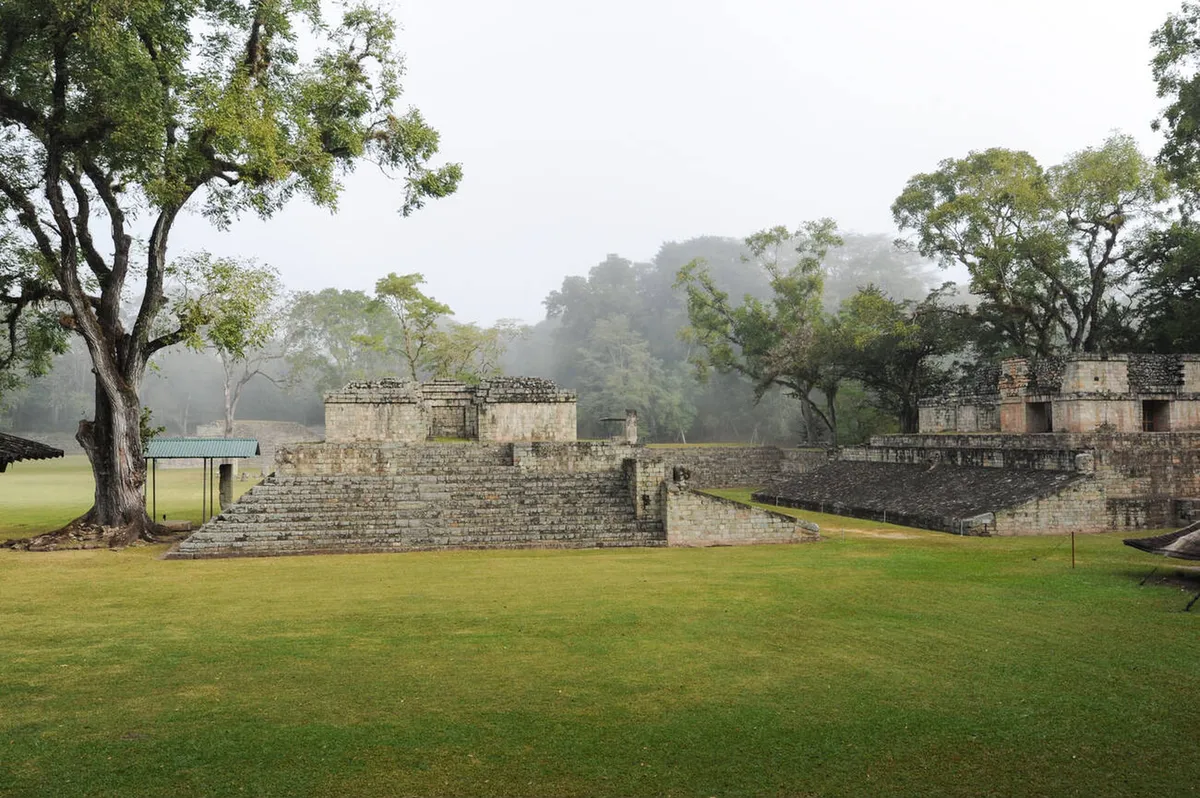

Montecillos is a high-altitude region located in the department of La Paz, in southern Honduras. The terrain is characterized by lush green hills, volcanic soils, and a variety of microclimates that are ideal for coffee cultivation. The elevation ranges from approximately 1,200 to 1,700 meters, fostering optimal conditions for Arabica coffee with vibrant acidity and aromatic complexity.
The climate in Montecillos features a temperate, cool environment with distinct wet and dry seasons. The high altitude and microclimates support slow cherry maturation, which enhances flavor development. Morning fog, coupled with volcanic soils, contributes to the region’s ability to produce coffees with floral, citrus, and fruity notes.
The Montecillos region in Honduras is renowned for producing high-quality coffee, particularly within the Marcala area, which holds the country's first appellation of origin, "Café de Marcala". Located in the southwest of Honduras, near the border with El Salvador. The Marcala designation covers specific municipalities within the La Paz department. It is a legal certification that protects a product's geographical origin and ensures it possesses specific qualities, reputation, or characteristics linked to that region. This means that only coffee produced within the designated geographic boundaries of Marcala can be marketed under this name.
Honduras was the first country in Central America to obtain an official appellation of origin for its coffee, awarded specifically to the Marcala region. The certification guarantees that the coffee originates from the Marcala zone and maintains the region's distinctive flavor profile: bright acidity, floral aromas, citrus notes, and balanced sweetness.
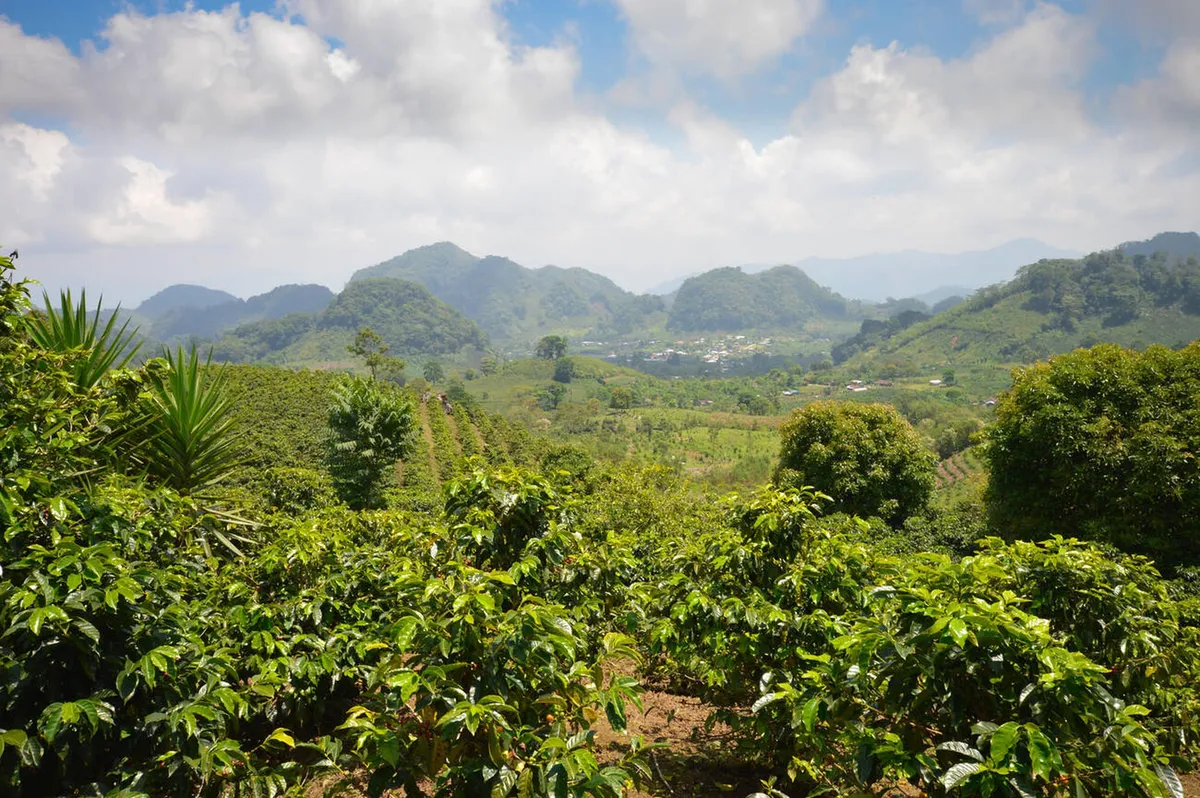
The Opalaca coffee region is situated in the southwestern highlands of Honduras, bordering El Salvador. It includes parts of the departments of Santa Barbara, Intibucá, and Lempira. The region’s altitudes range from approximately 1,200 to 1,800 meters making it one of the highest coffee-growing areas in Honduras. It is characterized by rugged mountainous terrain, lush forested areas, and volcanic soils. The region experiences a cool, humid climate with significant temperature variation between day and night, especially at higher elevations. These conditions slow cherry ripening, allowing beans to develop complex flavors and denser structures.
Opalaca has become one of Honduras's most acclaimed coffee regions, with many farms producing micro-lots that are sold at premium prices like. The coffee from Santa Barbara has gained popularity due to their unique flavor profiles. Several farms have achieved scores over 90 points in recent years ranking among the top Honduran coffees. The cup profiles are bright, with lively acidity, citrus and floral aromas, fruity and floral notes crisp finish and full body.
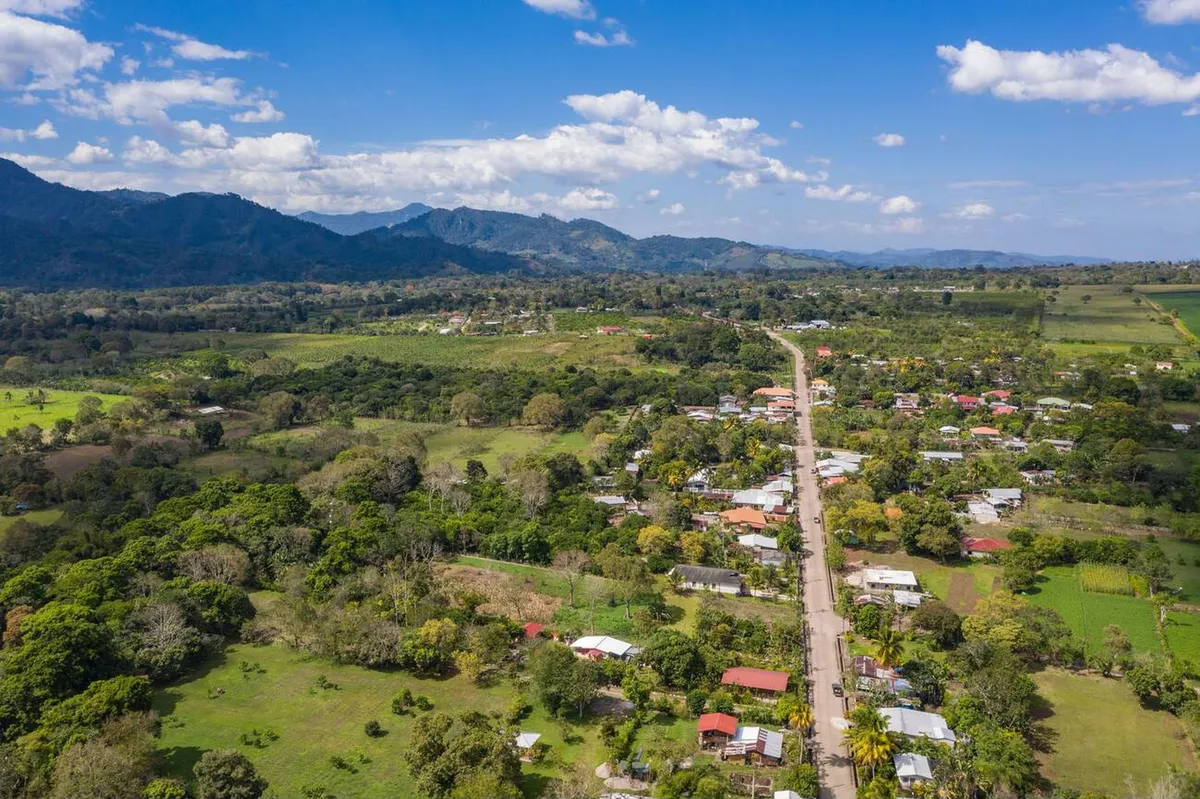

El Paraíso is a significant coffee-growing region in southern Honduras, bordering Nicaragua. It's known for its high altitudes, warm temperatures, and rich volcanic soil, which contribute to the unique flavor profiles of the coffee grown there. The proximity to the El Chile biological nature reserve enhances biodiversity and microclimate diversity.
The region is also recognized for its Parainema variety, a rust-resistant hybrid, and for consistently producing award-winning coffees, including Cup of Excellence winners. The coffees from El Paraíso are known for their sweetness, citrus notes, and smoothness. Typical flavors include green apple, jasmine, peach, blueberries, orange, and sometimes hints of white wine or tropical fruits.
About Honduras
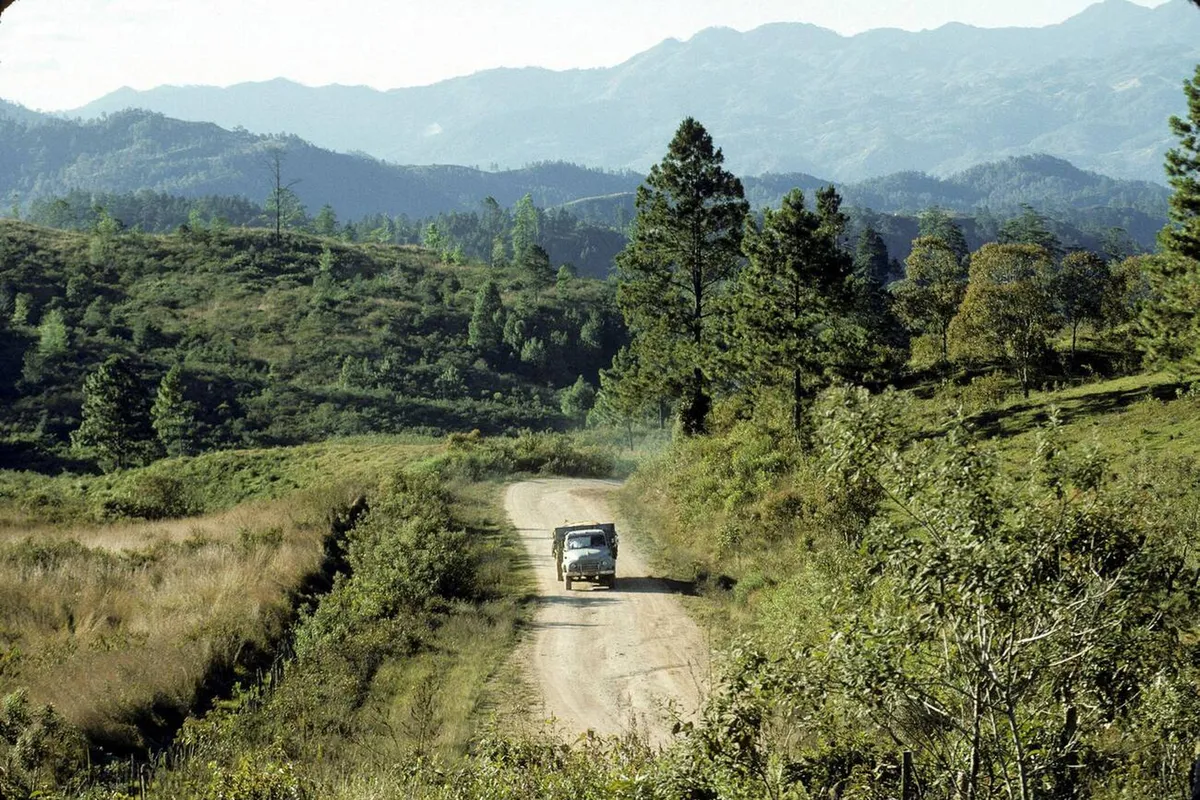
Honduras offers diverse geography with mountains, volcanic soils, and altitudes from 900–1,900m, creating a wide range of flavor profiles. Coffee is deeply tied to community life, often harvested by entire families, and producers maintain a strong tradition of quality and sustainability.
Agalta is a region in Honduras, situated in the eastern part of the country, close to Olancho and to the Guatemalan border. Olancho features a tropical to subtropical climate, with altitudes ranging from around 300 meters in the plains to over 1,500 meters in the highlands. The cooler high-altitude zones are especially suitable for coffee cultivation. This tropical climate often produces a fruitier, sweeter tasting coffee, with hints of caramel and chocolate.
Situated in the south-central part of the country. The landscape features a series of hills and pine forests, creating an ideal environment for coffee cultivation. The region’s terrain is rich with nutrient-rich red clay soils, which contribute to the development of high-quality beans.
Historically, Comayagua was known for its mineral wealth, including gold, copper, cinnabar, asbestos, and silver. It also produced gemstones like opal and emerald and was famed for its excellent cattle. This rich natural history has contributed to the area's reputation for high-quality natural resources and craftsmanship, which now extend to coffee production.
In 2021 and 2020 coffees from Comayagua scored 90+ points in the Cup of Excellence auction. The coffee is praised for its bright acidity, floral aroma, nuanced citrus and fruity flavor and complex floral notes.
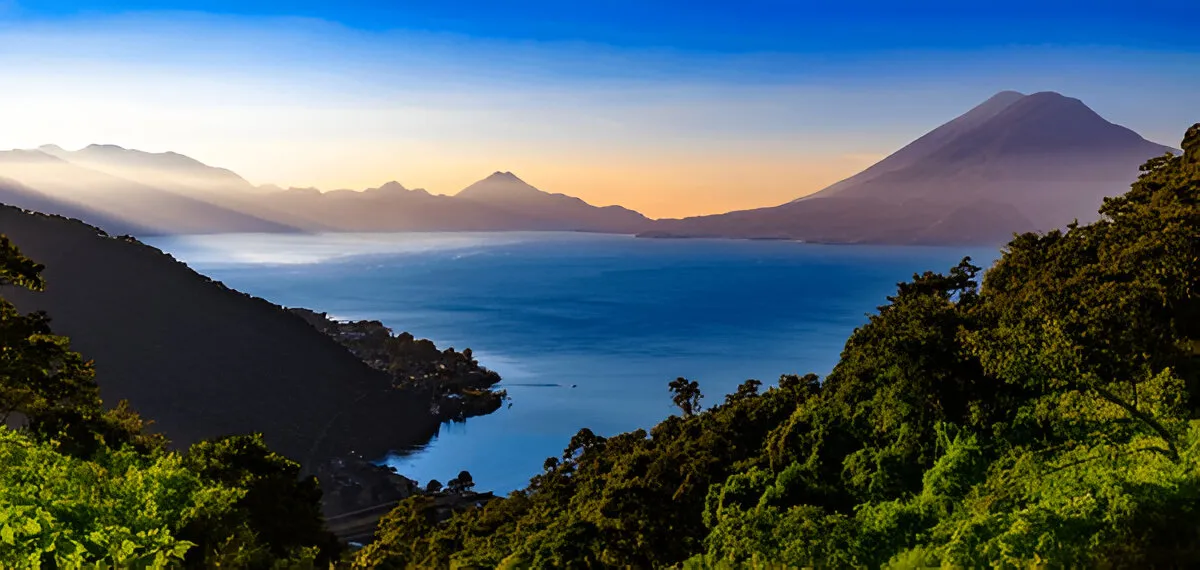
The Copán region in western Honduras is a renowned coffee-producing area, known for its exceptional quality and unique flavor profiles. Located near the border with Guatemala, it encompasses the departments of Copán, Ocotepeque, and parts of Santa Barbara. Copán's high altitudes (1,000-1,800 meters), volcanic soils and microclimates foster complex flavor profiles.
Santa Barbara has gain popularity due to their unique flavor profiles. Several farms from Santa Barbara achieved scores over 90 points in recent years ranking among the top Honduran coffees. The cup profiles are bright, with lively acidity, citrus and floral aromas, fruity and floral notes crisp finish and full body.
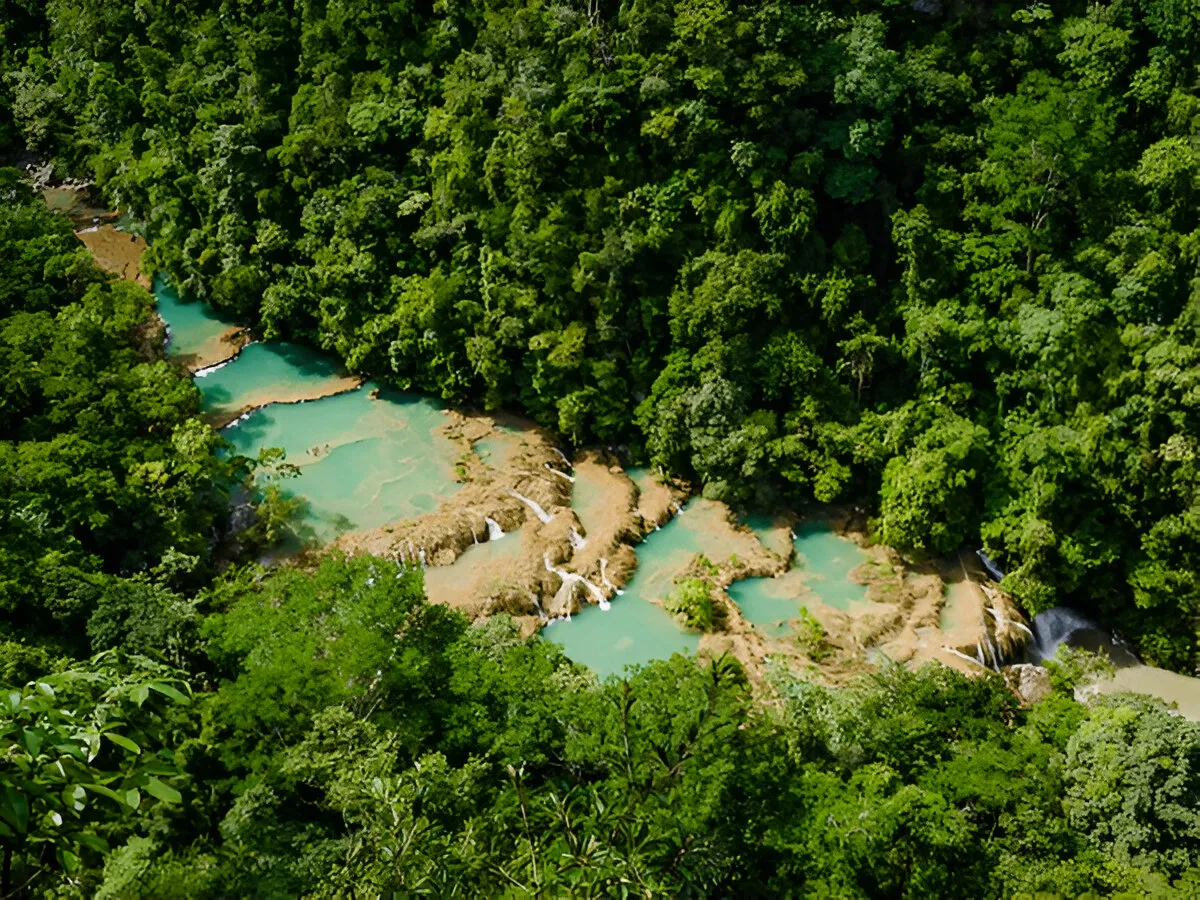
Montecillos is a high-altitude region located in the department of La Paz, in southern Honduras. The terrain is characterized by lush green hills, volcanic soils, and a variety of microclimates that are ideal for coffee cultivation. The elevation ranges from approximately 1,200 to 1,700 meters, fostering optimal conditions for Arabica coffee with vibrant acidity and aromatic complexity.
The climate in Montecillos features a temperate, cool environment with distinct wet and dry seasons. The high altitude and microclimates support slow cherry maturation, which enhances flavor development. Morning fog, coupled with volcanic soils, contributes to the region’s ability to produce coffees with floral, citrus, and fruity notes.
The Montecillos region in Honduras is renowned for producing high-quality coffee, particularly within the Marcala area, which holds the country's first appellation of origin, "Café de Marcala". Located in the southwest of Honduras, near the border with El Salvador. The Marcala designation covers specific municipalities within the La Paz department. It is a legal certification that protects a product's geographical origin and ensures it possesses specific qualities, reputation, or characteristics linked to that region. This means that only coffee produced within the designated geographic boundaries of Marcala can be marketed under this name.
Honduras was the first country in Central America to obtain an official appellation of origin for its coffee, awarded specifically to the Marcala region. The certification guarantees that the coffee originates from the Marcala zone and maintains the region's distinctive flavor profile: bright acidity, floral aromas, citrus notes, and balanced sweetness.
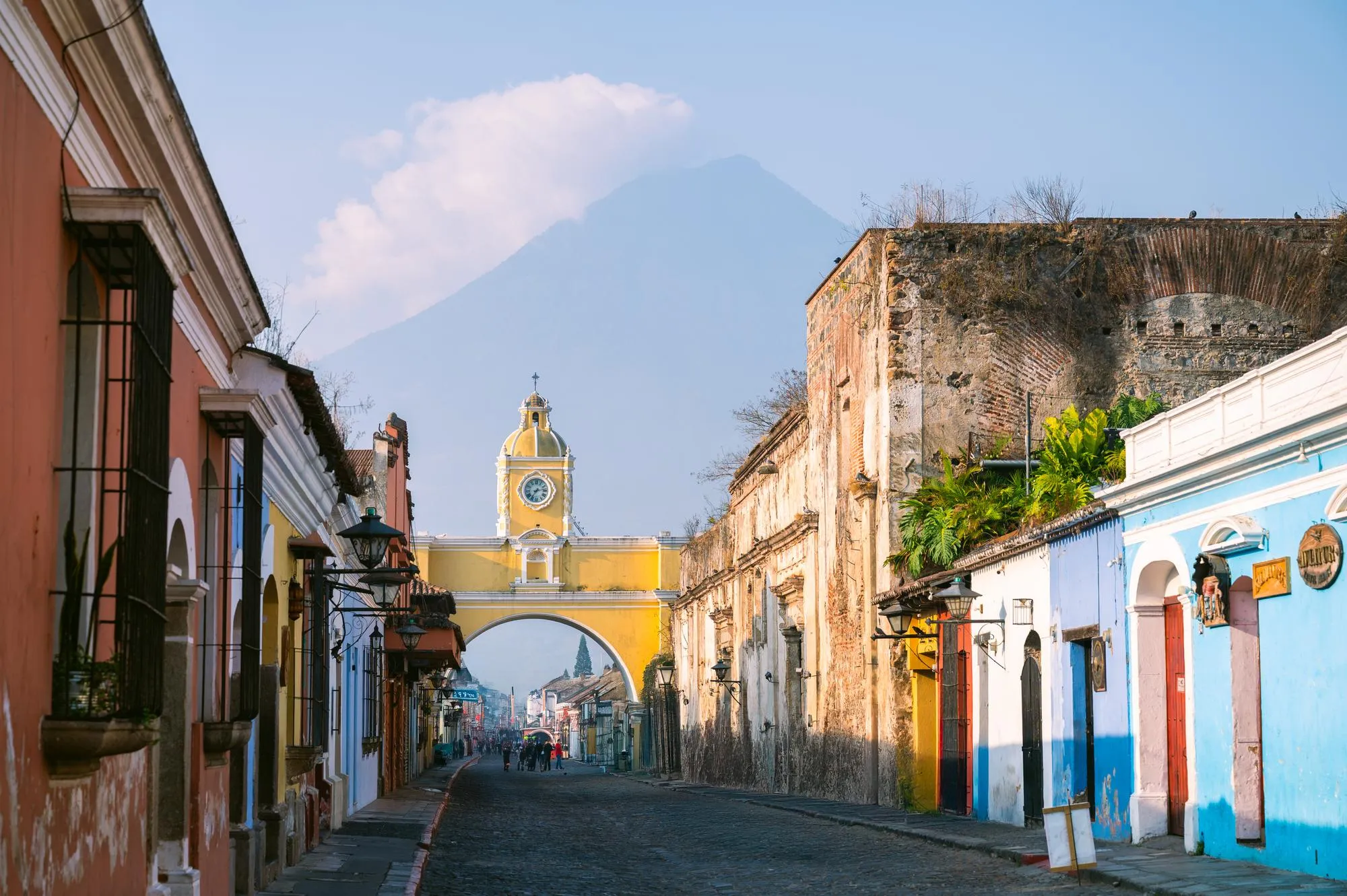

The Opalaca coffee region is situated in the southwestern highlands of Honduras, bordering El Salvador. It includes parts of the departments of Santa Barbara, Intibucá, and Lempira. The region’s altitudes range from approximately 1,200 to 1,800 meters making it one of the highest coffee-growing areas in Honduras. It is characterized by rugged mountainous terrain, lush forested areas, and volcanic soils. The region experiences a cool, humid climate with significant temperature variation between day and night, especially at higher elevations. These conditions slow cherry ripening, allowing beans to develop complex flavors and denser structures.
Opalaca has become one of Honduras's most acclaimed coffee regions, with many farms producing micro-lots that are sold at premium prices like. The coffee from Santa Barbara has gained popularity due to their unique flavor profiles. Several farms have achieved scores over 90 points in recent years ranking among the top Honduran coffees. The cup profiles are bright, with lively acidity, citrus and floral aromas, fruity and floral notes crisp finish and full body.
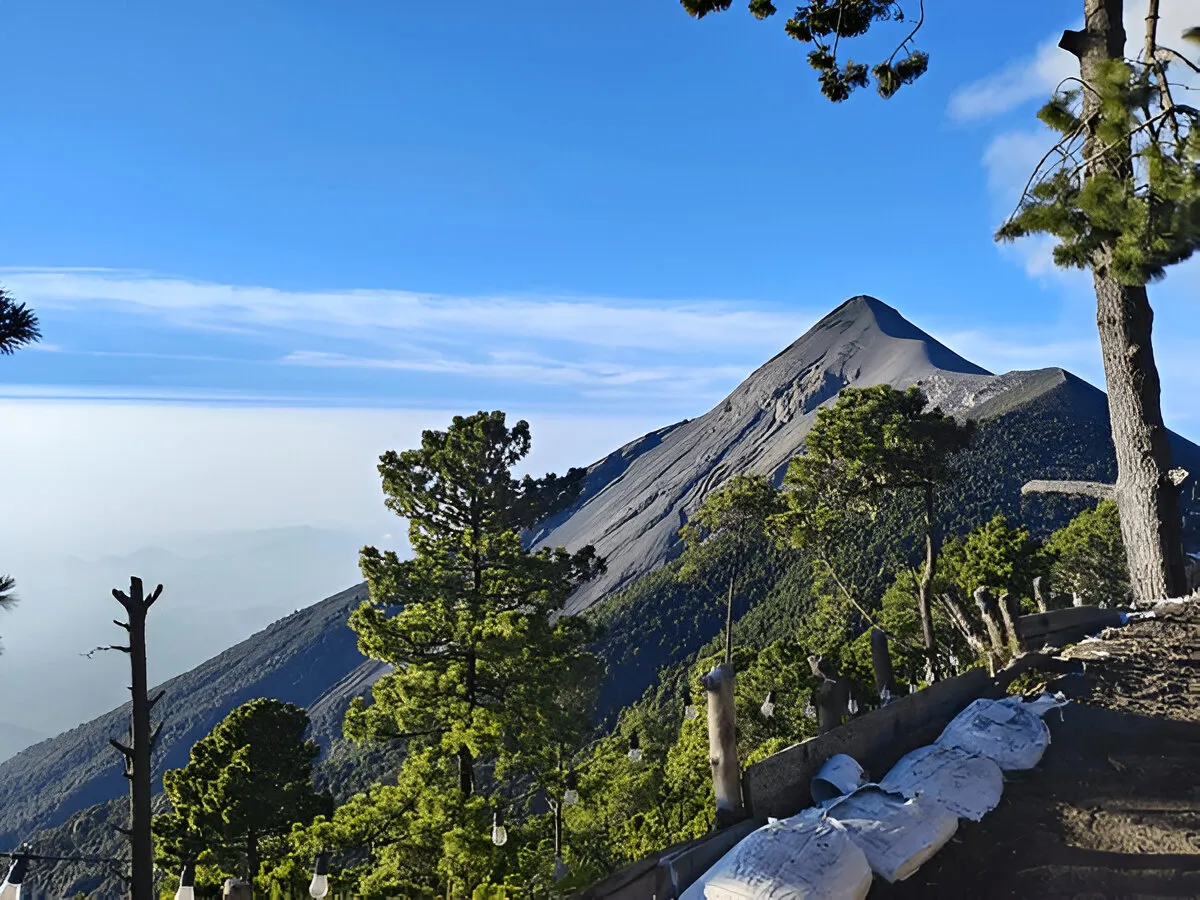
El Paraíso is a significant coffee-growing region in southern Honduras, bordering Nicaragua. It's known for its high altitudes, warm temperatures, and rich volcanic soil, which contribute to the unique flavor profiles of the coffee grown there. The proximity to the El Chile biological reserve further enhances biodiversity and microclimate diversity.
The region is also recognized for its Parainema variety, a rust-resistant hybrid, and for consistently producing award-winning coffees, including Cup of Excellence winners. The coffees from El Paraíso are known for their sweetness, citrus notes, and smoothness. Typical flavors include green apple, jasmine, peach, blueberries, orange, and sometimes hints of white wine or tropical fruits.


History
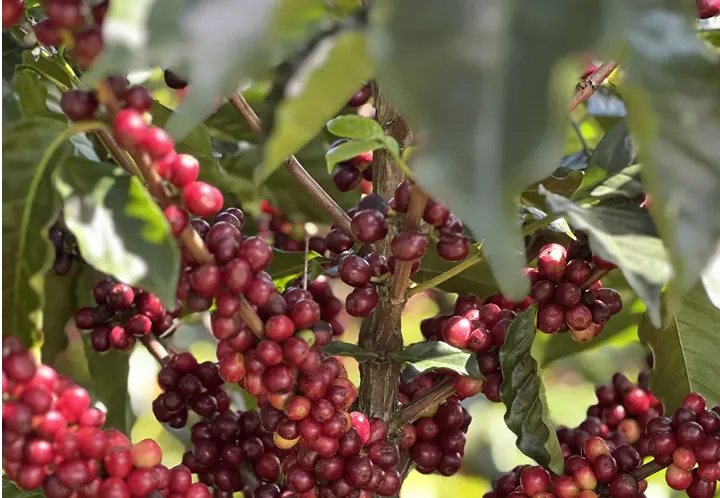
Coffee production grew significantly in the 1960s, supported by international demand and government initiatives. In 1970, the creation of IHCAFE strengthened technical training and financing. Despite setbacks like Hurricane Mitch (1998) and the 1999 price crisis, Honduras emerged as a leader in Central America. In the 21st century, specialty coffee gained prominence, with farms innovating and winning recognition in global competitions.

Qualities
From High Grown to Strictly High Grown, each grade reflects the country’s diversity, delivering balanced profiles with bright acidity and smooth sweetness.
HG (Screen Size 15+)
Honduras coffees graded as High Grown, are cultivated above 1,200 m, producing beans with mild acidity and balance flavors.
Honduras "HG" coffee, often labeled as "Altura HG", signifies high-quality beans grown at good altitude, meticulously sorted for defects, and known for their balanced flavor and mild acidity. The "HG" stands for "High Grown," indicating the beans were cultivated above 1200 meters above sea level, typically resulting in eaven and more flavorful beans. If we are talking about cup scores an HG coffee will rank between 83-84 points.
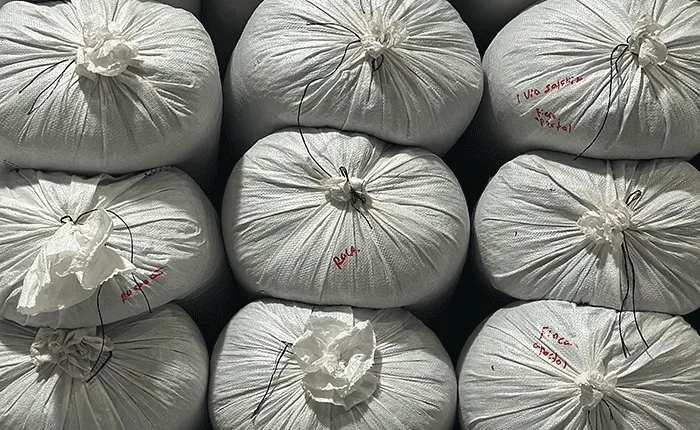

SHG (Screen Size 15)
The Strictly High Grown, classification indicates cultivation above 1,600 m.a.s.l, yielding small, dense beans with bright acidity and clean profiles (≈84–85 points).
SHG stands for "Strictly High Grown," a classification that indicates the coffee was cultivated at high elevations, typically above 1,600 meters. This classification is used in Honduras to denote beans that consistently meet high-quality standards associated with high-altitude cultivation. SHG beans are dense, small and well-formed, which generally correlates with better flavor extraction and overall cup quality. If we were talking about cup scores an SHG will rank between 84-85 points.
SHG+ (Screen Size 15+)
SHG+ coffees, thanks to higher altitudes and improved practices, can achieve exceptional cup scores of 84.5–85.5 points.
Same conditions as an SHG but due to better processing, varieties, higher altitudes and farm practices coffee can achieve cup scores from 84.5-85.5.
Regions
From Agalta and Comayagua to Copán, Santa Bárbara, Montecillos, Opalaca, and El Paraíso, each area offers unique microclimates that create vibrant profiles with bright acidity, good sweetness and balance.
Agalta
Highland region producing sweet, fruity coffees with caramel and chocolate notes.
Agalta is a region in Honduras, situated in the eastern part of the country, close to Olancho and to the Guatemalan border. Olancho features a tropical to subtropical climate, with altitudes ranging from around 300 meters in the plains to over 1,500 meters in the highlands. The cooler high-altitude zones are especially suitable for coffee cultivation. This tropical climate often produces a fruitier, sweeter tasting coffee, with hints of caramel and chocolate.
Comayagua
Red clay soils yield complex coffees with bright citrus and floral flavors.
Situated in the south-central part of the country. The landscape features a series of hills and pine forests, creating an ideal environment for coffee cultivation. The region’s terrain is rich with nutrient-rich red clay soils, which contribute to the development of high-quality beans.
Historically, Comayagua was known for its mineral wealth, including gold, copper, cinnabar, asbestos, and silver. It also produced gemstones like opal and emerald and was famed for its excellent cattle. This rich natural history has contributed to the area's reputation for high-quality natural resources and craftsmanship, which now extend to coffee production.
In 2021 and 2020 coffees from Comayagua scored 90+ points in the Cup of Excellence auction. The coffee is praised for its bright acidity, floral aroma, nuanced citrus and fruity flavor and complex floral notes.
Copán
Known for lively acidity, citrus tones, and floral aromatics.
The Copán region in western Honduras is a renowned coffee-producing area, known for its exceptional quality and unique flavor profiles. Located near the border with Guatemala, it encompasses the departments of Copán, Ocotepeque, and parts of Santa Barbara. Copán's high altitudes (1,000-1,800 meters), volcanic soils and microclimates foster complex flavor profiles.
Santa Barbara has gain popularity due to their unique flavor profiles. Several farms from Santa Barbara achieved scores over 90 points in recent years ranking among the top Honduran coffees. The cup profiles are bright, with lively acidity, citrus and floral aromas, fruity and floral notes crisp finish and full body.
Montecillos
Denomination of Origin region with vibrant acidity and floral notes.
Montecillos is a high-altitude region located in the department of La Paz, in southern Honduras. The terrain is characterized by lush green hills, volcanic soils, and a variety of microclimates that are ideal for coffee cultivation. The elevation ranges from approximately 1,200 to 1,700 meters, fostering optimal conditions for Arabica coffee with vibrant acidity and aromatic complexity.
The climate in Montecillos features a temperate, cool environment with distinct wet and dry seasons. The high altitude and microclimates support slow cherry maturation, which enhances flavor development. Morning fog, coupled with volcanic soils, contributes to the region’s ability to produce coffees with floral, citrus, and fruity notes.
The Montecillos region in Honduras is renowned for producing high-quality coffee, particularly within the Marcala area, which holds the country's first appellation of origin, "Café de Marcala". Located in the southwest of Honduras, near the border with El Salvador. The Marcala designation covers specific municipalities within the La Paz department. It is a legal certification that protects a product's geographical origin and ensures it possesses specific qualities, reputation, or characteristics linked to that region. This means that only coffee produced within the designated geographic boundaries of Marcala can be marketed under this name.
Honduras was the first country in Central America to obtain an official appellation of origin for its coffee, awarded specifically to the Marcala region. The certification guarantees that the coffee originates from the Marcala zone and maintains the region's distinctive flavor profile: bright acidity, floral aromas, citrus notes, and balanced sweetness.
Opalaca
Rugged highlands offering fruity, crisp coffees with smooth bodies.
The Opalaca coffee region is situated in the southwestern highlands of Honduras, bordering El Salvador. It includes parts of the departments of Santa Barbara, Intibucá, and Lempira. The region’s altitudes range from approximately 1,200 to 1,800 meters making it one of the highest coffee-growing areas in Honduras. It is characterized by rugged mountainous terrain, lush forested areas, and volcanic soils. The region experiences a cool, humid climate with significant temperature variation between day and night, especially at higher elevations. These conditions slow cherry ripening, allowing beans to develop complex flavors and denser structures.
Opalaca has become one of Honduras's most acclaimed coffee regions, with many farms producing micro-lots that are sold at premium prices like. The coffee from Santa Barbara has gained popularity due to their unique flavor profiles. Several farms have achieved scores over 90 points in recent years ranking among the top Honduran coffees. The cup profiles are bright, with lively acidity, citrus and floral aromas, fruity and floral notes crisp finish and full body.
El Paraíso
Home of the Parainema variety, noted for tropical fruit and jasmine flavors.
El Paraíso is a significant coffee-growing region in southern Honduras, bordering Nicaragua. It's known for its high altitudes, warm temperatures, and rich volcanic soil, which contribute to the unique flavor profiles of the coffee grown there. The proximity to the El Chile nature reserve further enhances biodiversity and microclimate diversity.
The region is also recognized for its Parainema variety, a rust-resistant hybrid, and for consistently producing award-winning coffees, including Cup of Excellence winners. The coffees from El Paraíso are known for their sweetness, citrus notes, and smoothness. Typical flavors include green apple, jasmine, peach, blueberries, orange, and sometimes hints of white wine or tropical fruits.

Discover the Unique Flavors of Honduras’ Microlots and Certified Coffees
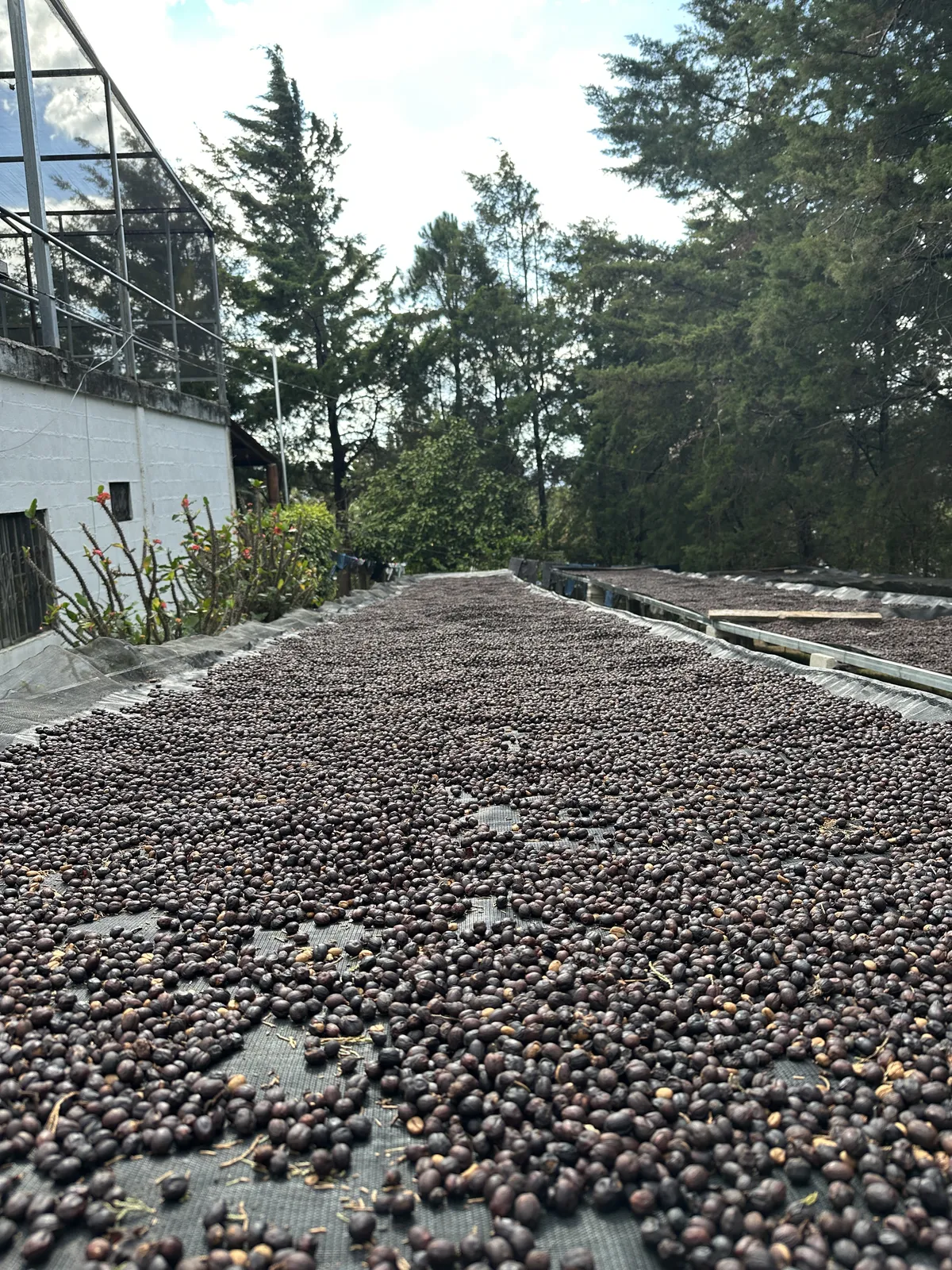
The microlots are available depending on the harvest season, offering a wide variety across different processing methods: honey, natural, anaerobic and fully washed. Each lot highlights Honduras’ diversity and commitment to quality.



Delivering the Exact Coffee You Seek
At Plateau Harvest, we specialize in connecting you directly with Latin America’s finest coffee origins. With years of expertise in sourcing and trading, we provide wholesale distribution built on transparency, quality, and efficient logistics—ensuring every lot meets your business needs.


-1.png)