

About Brazil
Brazil is the largest coffee producer in the world, supplying more than one-third of global consumption. Its vast territory, ranging from 600m.a.s.l to 1,200m.a.s.l in altitude, allows for diverse flavor profiles. Brazilian coffees are known for their nutty, chocolatey notes, smooth body, and balanced sweetness, making them the backbone of many blends worldwide.

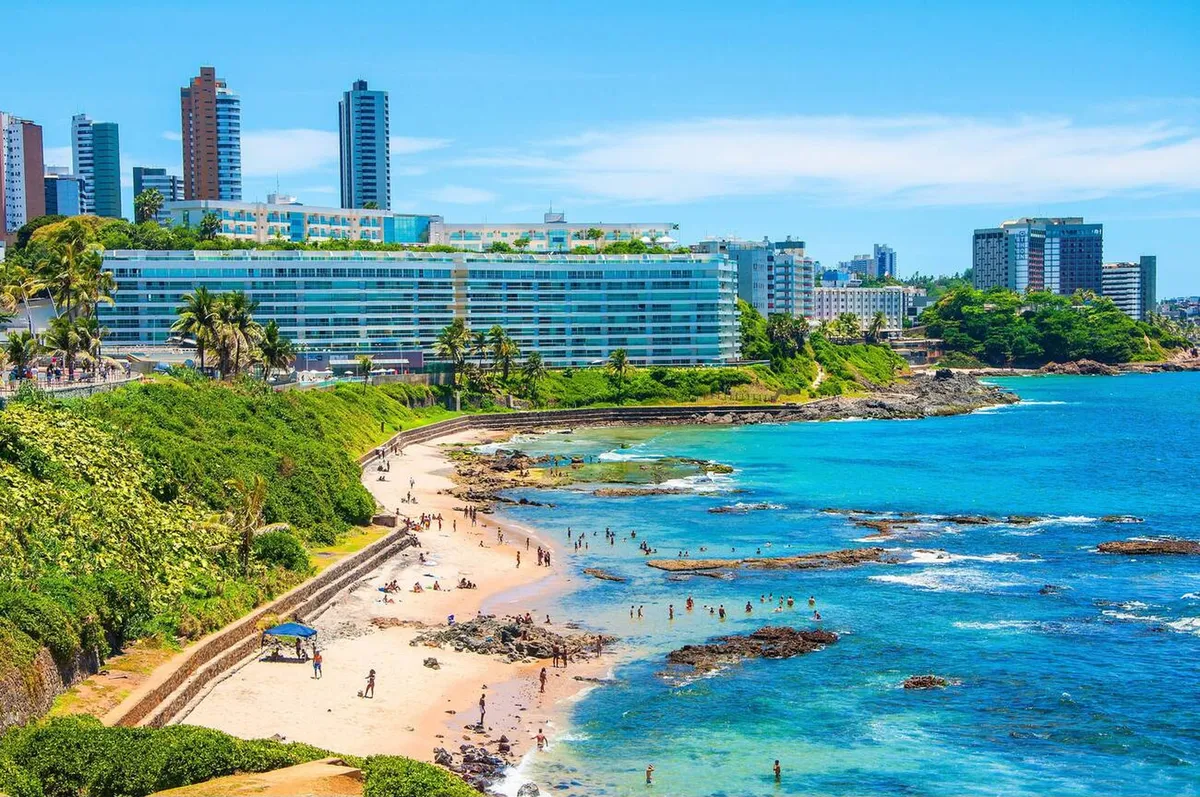
Bahia, situated in northeastern Brazil along the Atlantic coast, is one of the country’s oldest and most historically significant coffee-producing regions. Its diverse geography, ranging from coastal plains and rolling hills to mountainous terrains and volcanic soils, has fostered a vibrant coffee industry that balances tradition with innovation. The region’s favorable climate, characterized by tropical heat and seasonal rainfall, provides ideal conditions for cultivating high-quality Arabica and Robusta beans.
The primary coffee-growing localities within Bahia include Ilhéus, Itabuna, Camacan, and regions surrounding the Sierra de Santa Teresa. Ilhéus, in particular, is historically renowned as the birthplace of Brazil’s coffee boom in the 19th and early 20th centuries. These areas feature elevations generally from 200 to 1,200 meters above sea level, with higher altitudes in the mountainous zones producing beans with enhanced acidity, complexity, and aromatic profiles. The tropical climate, combined with volcanic soils—especially in higher terrain—creates microclimates that favor the development of distinctive coffee varieties.
Historically, Bahia’s coffee industry surged during the late 1800s and early 1900s, transforming impoverished local communities into prosperous export hubs. This expansion was driven by Brazil’s rising global demand for coffee, supported by infrastructural developments such as the expansion of ports, railroads, and processing facilities. The region became a major exporter, especially to Europe and North America, solidifying its importance in Brazil’s overall coffee economy.

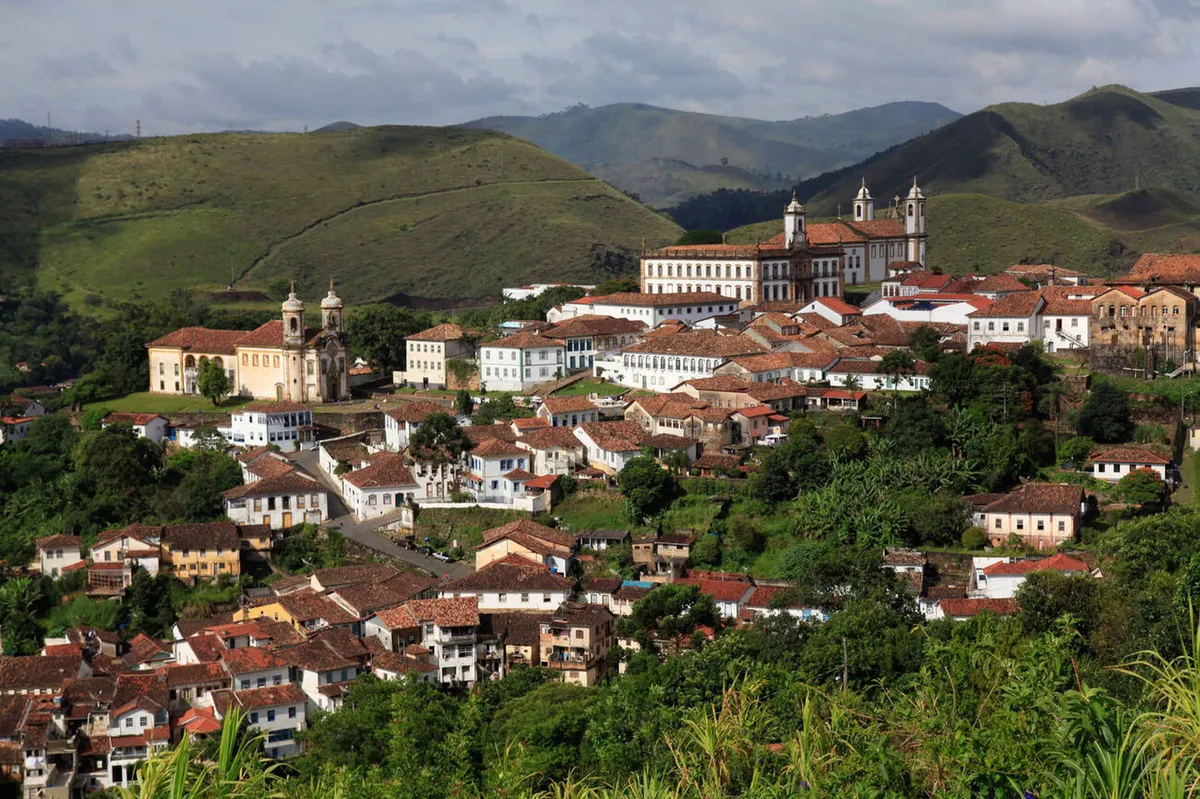
Historically, Minas Gerais has been at the heart of Brazil’s coffee economy since the late 19th century, experiencing rapid expansion due to increased global demand. The development of extensive rail and port infrastructure facilitated the large-scale export of coffee, transforming Minas Gerais into a pivotal hub of Brazil’s “coffee belt.”
Is situated in southeastern Brazil, is one of the most significant and historically rich coffee-producing regions in the country and the world. Known for its diverse landscapes. Minas Gerais has played a central role in establishing Brazil’s reputation as the global coffee leader. The state's varied topography, from mountainous ranges to lush valleys, creates ideal microclimates that foster the growth of a wide array of coffee profiles, ranging from bright floral to rich and nutty flavors.
Within Minas Gerais, several key regions stand out for their contributions to coffee cultivation, particularly the Sul de Minas and Cerrado Mineiro. Notably, two locations: Poços de Caldas and São Lourenço. They are part of this rich coffee landscape, each with unique geographical, climatic, and cultural characteristics that influence the distinctive profiles of their beans. Poços de Caldas is situated in the southern part of Minas Gerais, lying in an area characterized by volcanic soils and elevations around 1,000 meters. The city is famous for its mineral-rich waters and volcanic terrain, which enriches the soil and enhances the flavor complexity of the coffee.
São Lourenço, also located within Minas Gerais, shares similar geographical features: being part of the Serra da Mantiqueira mountain range. Placing it at elevations often exceeding 1,200 meters. This region’s microclimates allow for a nuanced differentiation of flavor profiles, often resulting in coffees with bright, floral, and citrus notes.

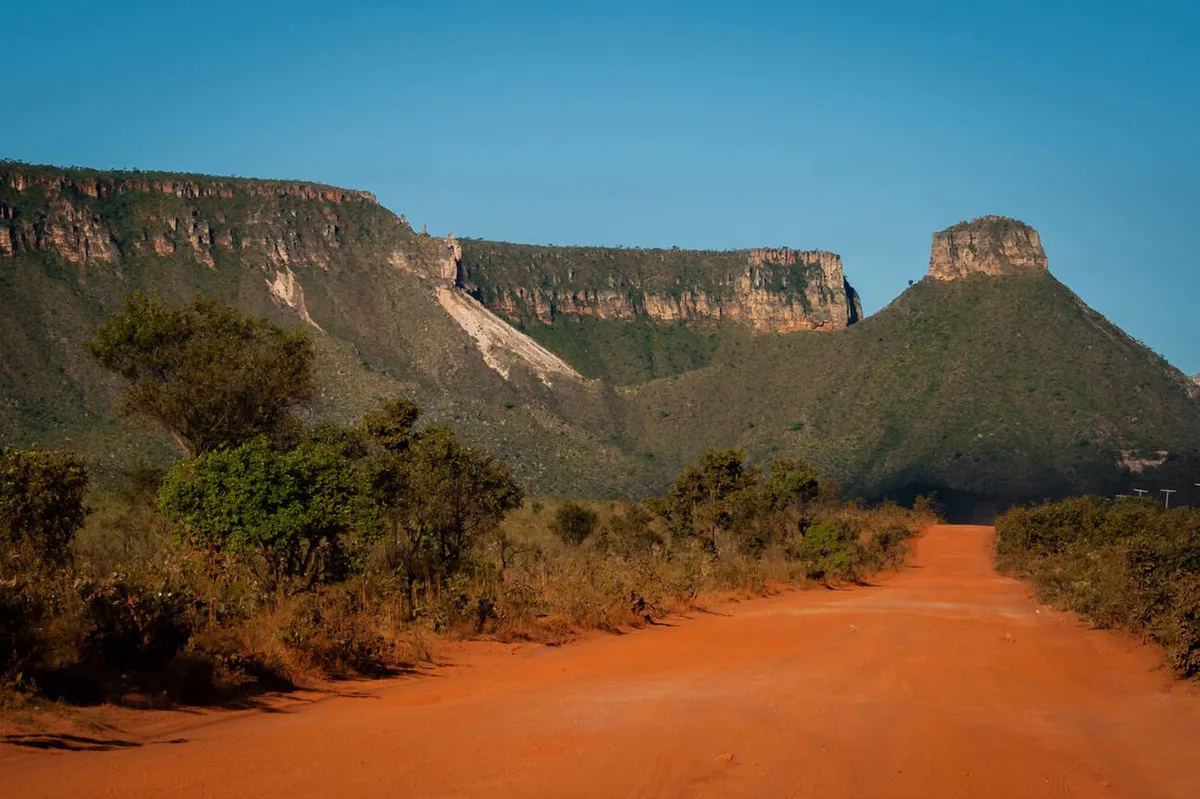
Espírito Santo, a coastal state in southeastern Brazil, has emerged as a notable region for high-quality coffee production, distinguished by its unique harvest seasons, elevated terrains, and meticulous hand-cropping practices. The region’s commitment to quality has positioned it as a significant player in the specialty coffee market, especially through its focus on micro-lots and high-grade beans.
The principal coffee cultivation areas within Espírito Santo include the municipalities of Santa Teresa, Venda Nova do Imigrante, Domingos Martins, and Montanha. These localities are characterized by mountainous topography, with elevations typically ranging from 700 to over 1,200 meters above sea level.
Geographically, Espírito Santo’s mountainous terrain is part of the Serra do Caparaó and other ranges that blanket the region. These mountains are not volcanic peaks themselves but are rich in volcanic soils, providing essential nutrients that improve bean complexity. The microclimates created by elevation changes allow growers to produce a variety of profiles, ranging from floral and fruity to chocolatey and full-bodied.

The São Paulo state is a key player in Brazil’s coffee production, renowned for its historical significance, diverse microclimates, and the cultivation of high-quality Arabica coffee. Recognized areas within São Paulo, such as Mogiana, Centro-Oeste Paulista, and the collaborative Sul de Minas + Mogiana, are crucial to its coffee industry. Mogiana, located in northeastern São Paulo, is famous for its sweet, full-bodied coffees with chocolate and nutty notes, thanks to its fertile soil and balanced climate. This area’s altitudes range from 800 to 1,200 meters, contributing to the flavor complexity.
São Paulo’s coffee cultivation benefits from diverse altitudes of 800 to 1,300 meters and a temperate climate with distinct wet and dry seasons. These conditions provide an ideal environment for slow bean maturation, crucial for developing coffee with rich flavors and aromatic complexity. Volcanic soils prevalent in mountainous areas contribute essential minerals, enhancing the quality of the beans.
Historically, São Paulo has been integral to Brazil's coffee boom since the late 19th century, due to its strategic location and infrastructure like railroads and ports.

Located in the southernmost part of Brazil, the key coffee-growing localities within Paraná include municipalities like Londrina, Maringá, and Cornélio Procópio. These areas are situated in the northern part of the state and are characterized by rolling hills and plains. The region generally features altitudes ranging from 600 to 1,200 meters above sea level.
Historically, Paraná was once the powerhouse of Brazilian coffee production, especially during the mid-20th century. It became a significant exporter of coffee due to its large plantations and developed infrastructure. However, a severe frost in 1975, known as the "Black Frost," devastated the coffee fields, leading to a decline in production. Since then, the region has been recovering, with a focus on quality improvements and sustainable practices.

The Rio de Janeiro coffee region encompasses the municipalities of Vassouras, Paraíba do Sul, and Teresópolis. These areas are characterized by undulating hilly terrains, valleys, and mountainous zones, with elevations typically ranging from 600 to 1,200 meters above sea level. Coffee cultivation is predominantly concentrated in high-altitude areas within these microclimates.
The mountainous regions of the Atlantic Forest provide optimal environmental conditions that facilitate the production of beans with bright acidity and complex aromatic profiles. The region’s temperate climate, marked by cooler temperatures and seasonal rainfall, supports the slow maturation process of coffee cherries. The landscape, consisting of rugged hills and mountain ranges within the Atlantic Coastal range, significantly influences local weather patterns and soil composition, further contributing to the quality and distinctiveness of the region’s coffee.
Coffee cultivation in Rio de Janeiro dates back to the late 19th and early 20th centuries when the region played a vital role in Brazil’s export boom. Large plantations developed in the mountainous zones. Historically, the region was a significant exporter during the “Brazilian coffee wave,” with extensive infrastructure supporting production and export. In recent decades, however, the focus shifted towards artisanal, sustainable, and specialty coffee practices, revitalizing its reputation in niche markets.


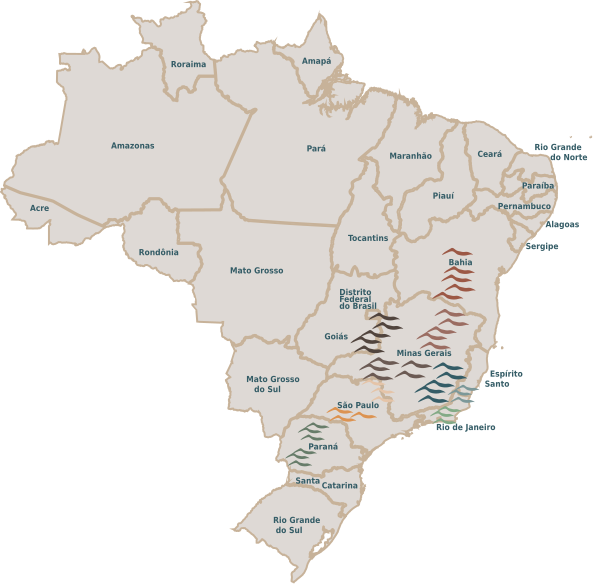
The main coffee-growing localities in Rondônia, as depicted on the map, include the towns of Pimenta Bueno and Colorado do Oeste, along with other municipalities such as Vilhena and Guajará-Mirim. These areas are characterized by their proximity to the borders with Bolivia and Peru, with plantations situated in both lowland and foothill regions. The terrain ranges from flat plains to gently rolling hills, with altitudes mostly between 200 and 600 meters above sea level.
Rondônia’s relatively low altitude and tropical climate create a different environment compared to high-altitude coffee regions of Brazil. The climate features high temperatures, high humidity, and seasonal rainfall, conditions that favor the cultivation of Robusta coffee, although Arabica is also grown in some zones. The soils are generally lateritic and influenced by the region’s geological history, including volcanic activity that enriched the land over millennia. The landscape is predominantly flat to gently undulating, with extensive forest cover and river systems, including parts of the Madeira River.
About Brasil
Brazil is the largest coffee producer in the world, supplying more than one-third of global consumption. Its vast territory, ranging from 600m to 1,200m in altitude, allows for diverse flavor profiles. Brazilian coffees are known for their nutty, chocolatey notes, smooth body, and balanced sweetness, making them the backbone of many blends worldwide.
Bahia, situated in northeastern Brazil along the Atlantic coast, is one of the country’s oldest and most historically significant coffee-producing regions. Its diverse geography, ranging from coastal plains and rolling hills to mountainous terrains and volcanic soils, has fostered a vibrant coffee industry that balances tradition with innovation. The region’s favorable climate, characterized by tropical heat and seasonal rainfall, provides ideal conditions for cultivating high-quality Arabica and Robusta beans.
The primary coffee-growing localities within Bahia include Ilhéus, Itabuna, Camacan, and regions surrounding the Sierra de Santa Teresa. Ilhéus, in particular, is historically renowned as the birthplace of Brazil’s coffee boom in the 19th and early 20th centuries. These areas feature elevations generally from 200 to 1,200 meters above sea level, with higher altitudes in the mountainous zones producing beans with enhanced acidity, complexity, and aromatic profiles. The tropical climate, combined with volcanic soils—especially in higher terrain—creates microclimates that favor the development of distinctive coffee varieties.
Historically, Bahia’s coffee industry surged during the late 1800s and early 1900s, transforming impoverished local communities into prosperous export hubs. This expansion was driven by Brazil’s rising global demand for coffee, supported by infrastructural developments such as the expansion of ports, railroads, and processing facilities. The region became a major exporter, especially to Europe and North America, solidifying its importance in Brazil’s overall coffee economy.
Historically, Minas Gerais has been at the heart of Brazil’s coffee economy since the late 19th century, experiencing rapid expansion due to increased global demand. The development of extensive rail and port infrastructure facilitated the large-scale export of coffee, transforming Minas Gerais into a pivotal hub of Brazil’s “coffee belt.”
Is situated in southeastern Brazil, is one of the most significant and historically rich coffee-producing regions in the country and the world. Known for its diverse landscapes. Minas Gerais has played a central role in establishing Brazil’s reputation as the global coffee leader. The state's varied topography, from mountainous ranges to lush valleys, creates ideal microclimates that foster the growth of a wide array of coffee profiles, ranging from bright floral to rich and nutty flavors.
Within Minas Gerais, several key regions stand out for their contributions to coffee cultivation, particularly the Sul de Minas and Cerrado Mineiro. Notably, two locations: Poços de Caldas and São Lourenço. They are part of this rich coffee landscape, each with unique geographical, climatic, and cultural characteristics that influence the distinctive profiles of their beans. Poços de Caldas is situated in the southern part of Minas Gerais, lying in an area characterized by volcanic soils and elevations around 1,000 meters. The city is famous for its mineral-rich waters and volcanic terrain, which enriches the soil and enhances the flavor complexity of the coffee.
São Lourenço, also located within Minas Gerais, shares similar geographical features: being part of the Serra da Mantiqueira mountain range. Placing it at elevations often exceeding 1,200 meters. This region’s microclimates allow for a nuanced differentiation of flavor profiles, often resulting in coffees with bright, floral, and citrus notes.
Espírito Santo, a coastal state in southeastern Brazil, has emerged as a notable region for high-quality coffee production, distinguished by its unique harvest seasons, elevated terrains, and meticulous hand-cropping practices. The region’s commitment to quality has positioned it as a significant player in the specialty coffee market, especially through its focus on micro-lots and high-grade beans.
The principal coffee cultivation areas within Espírito Santo include the municipalities of Santa Teresa, Venda Nova do Imigrante, Domingos Martins, and Montanha. These localities are characterized by mountainous topography, with elevations typically ranging from 700 to over 1,200 meters above sea level.
Geographically, Espírito Santo’s mountainous terrain is part of the Serra do Caparaó and other ranges that blanket the region. These mountains are not volcanic peaks themselves but are rich in volcanic soils, providing essential nutrients that improve bean complexity. The microclimates created by elevation changes allow growers to produce a variety of profiles, ranging from floral and fruity to chocolatey and full-bodied.
The São Paulo state is a key player in Brazil’s coffee production, renowned for its historical significance, diverse microclimates, and the cultivation of high-quality Arabica coffee. Recognized areas within São Paulo, such as Mogiana, Centro-Oeste Paulista, and the collaborative Sul de Minas + Mogiana, are crucial to its coffee industry. Mogiana, located in northeastern São Paulo, is famous for its sweet, full-bodied coffees with chocolate and nutty notes, thanks to its fertile soil and balanced climate. This area’s altitudes range from 800 to 1,200 meters, contributing to the flavor complexity.
São Paulo’s coffee cultivation benefits from diverse altitudes of 800 to 1,300 meters and a temperate climate with distinct wet and dry seasons. These conditions provide an ideal environment for slow bean maturation, crucial for developing coffee with rich flavors and aromatic complexity. Volcanic soils prevalent in mountainous areas contribute essential minerals, enhancing the quality of the beans.
Historically, São Paulo has been integral to Brazil's coffee boom since the late 19th century, due to its strategic location and infrastructure like railroads and ports.
Located in the southernmost part of Brazil, the key coffee-growing localities within Paraná include municipalities like Londrina, Maringá, and Cornélio Procópio. These areas are situated in the northern part of the state and are characterized by rolling hills and plains. The region generally features altitudes ranging from 600 to 1,200 meters above sea level.
Historically, Paraná was once the powerhouse of Brazilian coffee production, especially during the mid-20th century. It became a significant exporter of coffee due to its large plantations and developed infrastructure. However, a severe frost in 1975, known as the "Black Frost," devastated the coffee fields, leading to a decline in production. Since then, the region has been recovering, with a focus on quality improvements and sustainable practices.
The Rio de Janeiro coffee region encompasses the municipalities of Vassouras, Paraíba do Sul, and Teresópolis. These areas are characterized by undulating hilly terrains, valleys, and mountainous zones, with elevations typically ranging from 600 to 1,200 meters above sea level. Coffee cultivation is predominantly concentrated in high-altitude areas within these microclimates.
The mountainous regions of the Atlantic Forest provide optimal environmental conditions that facilitate the production of beans with bright acidity and complex aromatic profiles. The region’s temperate climate, marked by cooler temperatures and seasonal rainfall, supports the slow maturation process of coffee cherries. The landscape, consisting of rugged hills and mountain ranges within the Atlantic Coastal range, significantly influences local weather patterns and soil composition, further contributing to the quality and distinctiveness of the region’s coffee.
Coffee cultivation in Rio de Janeiro dates back to the late 19th and early 20th centuries when the region played a vital role in Brazil’s export boom. Large plantations developed in the mountainous zones. Historically, the region was a significant exporter during the “Brazilian coffee wave,” with extensive infrastructure supporting production and export. In recent decades, however, the focus shifted towards artisanal, sustainable, and specialty coffee practices, revitalizing its reputation in niche markets.
The main coffee-growing localities in Rondônia, as depicted on the map, include the towns of Pimenta Bueno and Colorado do Oeste, along with other municipalities such as Vilhena and Guajará-Mirim. These areas are characterized by their proximity to the borders with Bolivia and Peru, with plantations situated in both lowland and foothill regions. The terrain ranges from flat plains to gently rolling hills, with altitudes mostly between 200 and 600 meters above sea level.
Rondônia’s relatively low altitude and tropical climate create a different environment compared to high-altitude coffee regions of Brazil. The climate features high temperatures, high humidity, and seasonal rainfall, conditions that favor the cultivation of Robusta coffee, although Arabica is also grown in some zones. The soils are generally lateritic and influenced by the region’s geological history, including volcanic activity that enriched the land over millennia. The landscape is predominantly flat to gently undulating, with extensive forest cover and river systems, including parts of the Madeira River.


History
Coffee arrived in Brazil in the 18th century, expanding rapidly during the 19th, when the country became the world’s leading producer. By the early 20th century, Brasil accounted for nearly 80% of global coffee supply, shaping both its economy and international trade.Today, Brazil remains the top exporter, recognized not only for quantity but also for innovations in mechanized harvesting, sustainability programs, and specialty coffee microlots.

Qualities
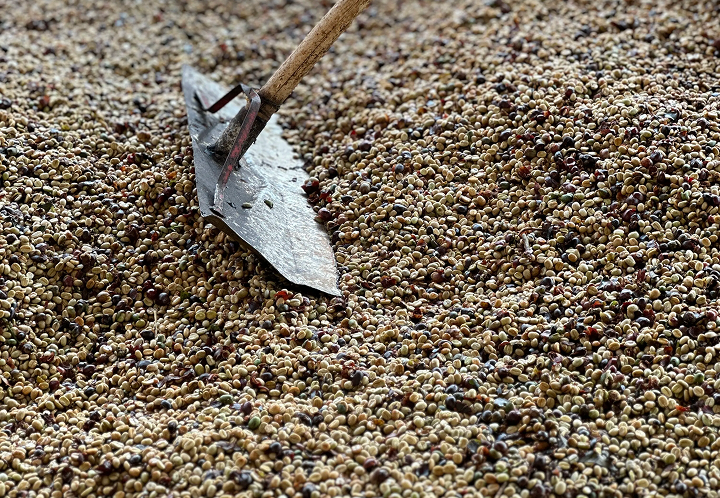
The Bsystem evaluates beans based on several criteria, including size, color, and defect count, providing transparency regarding the quality and consistency of the product.
Screen Size
Brazilian coffees are classified by bean size, with Screen 17/18 representing the largest beans, ensuring uniformity and premium presentation.
Beans are sorted from smaller sizes (Screen 8) to larger sizes (Screen 20). Larger beans, particularly those graded as Screen 17 or 18, are typically associated with premium and specialty-grade coffees, while medium-sized beans (Screens 14 and 16) are often used in more accessible, mid-range products. Smaller beans (Screens 10 to 13) are generally employed in commercial blends. Interestingly, size does not necessarily correlate directly with quality; smaller beans such as Peaberry (Moca) can sometimes possess richer and more complex flavor profiles despite their diminutive size, illustrating the nuanced relationship between physical characteristics and sensory qualities.

Color Grading
Coffees are graded for uniformity of color; consistent, well-prepared lots reflect proper drying and processing, essential for quality.
Provides insight into the freshness and processing state of the beans. The classification ranges from Verde (Green), indicating freshly harvested and properly processed beans, to Amarelo yello wcan suggest high temperature sun-dried bans or those that have undergone specific procesing methods with the wrong temperature.
Defect Count
The NY 2/3 grade permits up to 9–12 defects per 300g, highlighting Brazil’s ability to deliver clean and reliable coffees at scale.
Based on international standards such as the New York system assesses the cleanliness and defectiveness of the beans, with grades ranging from NY 2/3, which reflects minor flaws and high quality (an NY 2/3 grade indicates only minor flaws, often yielding exceptional coffee), to NY 8, indicating significant contamination or defects.
Flavour
Brazilian profiles are characterized by smooth body, low to medium acidity, and classic notes of chocolate, nuts, caramel, and mild fruit, making them the backbone of blends worldwide.
Sensory evaluation is an integral part of grading, where expert cuppers assess parameters such as aroma, body, acidity, and overall flavor. Furthermore, the classification of Brazilian coffees into groups such as Group I and Group II reflects differences in flavor and sensory profiles. Group I, often labeled as “Fine Cup,” generally exhibits clean, smooth, and well-balanced notes, with medium acidity and body, making it suitable for premium markets. In contrast, Group II coffees, sometimes referred to as “Good Cup,” tend to have more robust or intense flavors. Group II coffees can have distinct flavors labeled “Rio” or “Riado”, each hinting at an iodine or medicinal taste that’s uniquely Brazilian.
Regions
Every area offers unique altitudes, climates, and soils that shape distinctive flavor profiles. From volcanic highlands to coastal valleys, these regions tell the story of diversity, tradition, and excellence in every cup.
Bahía
Tropical climate and volcanic soils produce coffees with bright acidity and aromatic complexity.
Bahia, situated in northeastern Brazil along the Atlantic coast, is one of the country’s oldest and most historically significant coffee-producing regions. Its diverse geography, ranging from coastal plains and rolling hills to mountainous terrains and volcanic soils, has fostered a vibrant coffee industry that balances tradition with innovation. The region’s favorable climate, characterized by tropical heat and seasonal rainfall, provides ideal conditions for cultivating high-quality Arabica and Robusta beans.
The primary coffee-growing localities within Bahia include Ilhéus, Itabuna, Camacan, and regions surrounding the Sierra de Santa Teresa. Ilhéus, in particular, is historically renowned as the birthplace of Brazil’s coffee boom in the 19th and early 20th centuries. These areas feature elevations generally from 200 to 1,200 meters above sea level, with higher altitudes in the mountainous zones producing beans with enhanced acidity, complexity, and aromatic profiles. The tropical climate, combined with volcanic soils—especially in higher terrain—creates microclimates that favor the development of distinctive coffee varieties.
Historically, Bahia’s coffee industry surged during the late 1800s and early 1900s, transforming impoverished local communities into prosperous export hubs. This expansion was driven by Brazil’s rising global demand for coffee, supported by infrastructural developments such as the expansion of ports, railroads, and processing facilities. The region became a major exporter, especially to Europe and North America, solidifying its importance in Brazil’s overall coffee economy.
Minas Gerais
The heart of Brazil’s coffee belt, offering diverse profiles from floral to nutty.
Historically, Minas Gerais has been at the heart of Brazil’s coffee economy since the late 19th century, experiencing rapid expansion due to increased global demand. The development of extensive rail and port infrastructure facilitated the large-scale export of coffee, transforming Minas Gerais into a pivotal hub of Brazil’s “coffee belt.”
Is situated in southeastern Brazil, is one of the most significant and historically rich coffee-producing regions in the country and the world. Known for its diverse landscapes. Minas Gerais has played a central role in establishing Brazil’s reputation as the global coffee leader. The state's varied topography, from mountainous ranges to lush valleys, creates ideal microclimates that foster the growth of a wide array of coffee profiles, ranging from bright floral to rich and nutty flavors.
Within Minas Gerais, several key regions stand out for their contributions to coffee cultivation, particularly the Sul de Minas and Cerrado Mineiro. Notably, two locations: Poços de Caldas and São Lourenço. They are part of this rich coffee landscape, each with unique geographical, climatic, and cultural characteristics that influence the distinctive profiles of their beans. Poços de Caldas is situated in the southern part of Minas Gerais, lying in an area characterized by volcanic soils and elevations around 1,000 meters. The city is famous for its mineral-rich waters and volcanic terrain, which enriches the soil and enhances the flavor complexity of the coffee.
São Lourenço, also located within Minas Gerais, shares similar geographical features: being part of the Serra da Mantiqueira mountain range. Placing it at elevations often exceeding 1,200 meters. This region’s microclimates allow for a nuanced differentiation of flavor profiles, often resulting in coffees with bright, floral, and citrus notes.
Espirito Santo
Mountainous terrain and volcanic soils yield floral, fruity, and chocolatey cups.
Espírito Santo, a coastal state in southeastern Brazil, has emerged as a notable region for high-quality coffee production, distinguished by its unique harvest seasons, elevated terrains, and meticulous hand-cropping practices. The region’s commitment to quality has positioned it as a significant player in the specialty coffee market, especially through its focus on micro-lots and high-grade beans.
The principal coffee cultivation areas within Espírito Santo include the municipalities of Santa Teresa, Venda Nova do Imigrante, Domingos Martins, and Montanha. These localities are characterized by mountainous topography, with elevations typically ranging from 700 to over 1,200 meters above sea level.
Geographically, Espírito Santo’s mountainous terrain is part of the Serra do Caparaó and other ranges that blanket the region. These mountains are not volcanic peaks themselves but are rich in volcanic soils, providing essential nutrients that improve bean complexity. The microclimates created by elevation changes allow growers to produce a variety of profiles, ranging from floral and fruity to chocolatey and full-bodied.
Sao Paulo
Historic region known for sweet, full-bodied coffees with chocolate and nutty notes.
The São Paulo state is a key player in Brazil’s coffee production, renowned for its historical significance, diverse microclimates, and the cultivation of high-quality Arabica coffee. Recognized areas within São Paulo, such as Mogiana, Centro-Oeste Paulista, and the collaborative Sul de Minas + Mogiana, are crucial to its coffee industry. Mogiana, located in northeastern São Paulo, is famous for its sweet, full-bodied coffees with chocolate and nutty notes, thanks to its fertile soil and balanced climate. This area’s altitudes range from 800 to 1,200 meters, contributing to the flavor complexity.
Sao Paulos coffee culivation benefits for its high altitude and teperate climate with distinct wet and dry season. These conditions provide an ideal environment for slow bean maturation, crucial for developing coffee with rich flavors and aromatic complexity. Volcanic soils prevalent in mountainous areas contribute essential minerals, enhancing the quality of the beans.
Historically, São Paulo has been integral to Brazil's coffee boom since the late 19th century, due to its strategic location and infrastructure like railroads and ports.
Paraná
Once a powerhouse, now focused on quality coffees with balanced acidity and body.
Located in the southernmost part of Brazil, the key coffee-growing localities within Paraná include municipalities like Londrina, Maringá, and Cornélio Procópio. These areas are situated in the northern part of the state and are characterized by rolling hills and plains. The region generally features altitudes ranging from 600 to 1,200 meters above sea level.
Historically, Paraná was once the powerhouse of Brazilian coffee production, especially during the mid-20th century. It became a significant exporter of coffee due to its large plantations and developed infrastructure. However, a severe frost in 1975, known as the "Black Frost," devastated the coffee fields, leading to a decline in production. Since then, the region has been recovering, with a focus on quality improvements and sustainable practices.
Rio de Janeiro
Mountain microclimates create coffees with bright acidity and complex aromas.
The Rio de Janeiro coffee region encompasses the municipalities of Vassouras, Paraíba do Sul, and Teresópolis. These areas are characterized by undulating hilly terrains, valleys, and mountainous zones, with elevations typically ranging from 600 to 1,200 meters above sea level. Coffee cultivation is predominantly concentrated in high-altitude areas within these microclimates.
The mountainous regions of the Atlantic Forest provide optimal environmental conditions that facilitate the production of beans with bright acidity and complex aromatic profiles. The region’s temperate climate, marked by cooler temperatures and seasonal rainfall, supports the slow maturation process of coffee cherries. The landscape, consisting of rugged hills and mountain ranges within the Atlantic Coastal range, significantly influences local weather patterns and soil composition, further contributing to the quality and distinctiveness of the region’s coffee.
Coffee cultivation in Rio de Janeiro dates back to the late 19th and early 20th centuries when the region played a vital role in Brazil’s export boom. Large plantations developed in the mountainous zones. Historically, the region was a significant exporter during the “Brazilian coffee wave,” with extensive infrastructure supporting production and export. In recent decades, however, the focus shifted towards artisanal, sustainable, and specialty coffee practices, revitalizing its reputation in niche markets.
Rondônia
Low-altitude tropical lands, recognized for its Robusta coffees.
The main coffee-growing localities in Rondônia, as depicted on the map, include the towns of Pimenta Bueno and Colorado do Oeste, along with other municipalities such as Vilhena and Guajará-Mirim. These areas are characterized by their proximity to the borders with Bolivia and Peru, with plantations situated in both lowland and foothill regions. The terrain ranges from flat plains to gently rolling hills, with altitudes mostly between 200 and 600 meters above sea level.
Rondônia’s relatively low altitude and tropical climate create a different environment compared to high-altitude coffee regions of Brazil. The climate features high temperatures, high humidity, and seasonal rainfall, conditions that favor the cultivation of Robusta coffee, although Arabica is also grown in some zones. The soils are generally lateritic and influenced by the region’s geological history, including volcanic activity that enriched the land over millennia. The landscape is predominantly flat to gently undulating, with extensive forest cover and river systems, including parts of the Madeira River.

Discover the Unique Flavors of Brazil’s Microlots and Certified Coffees
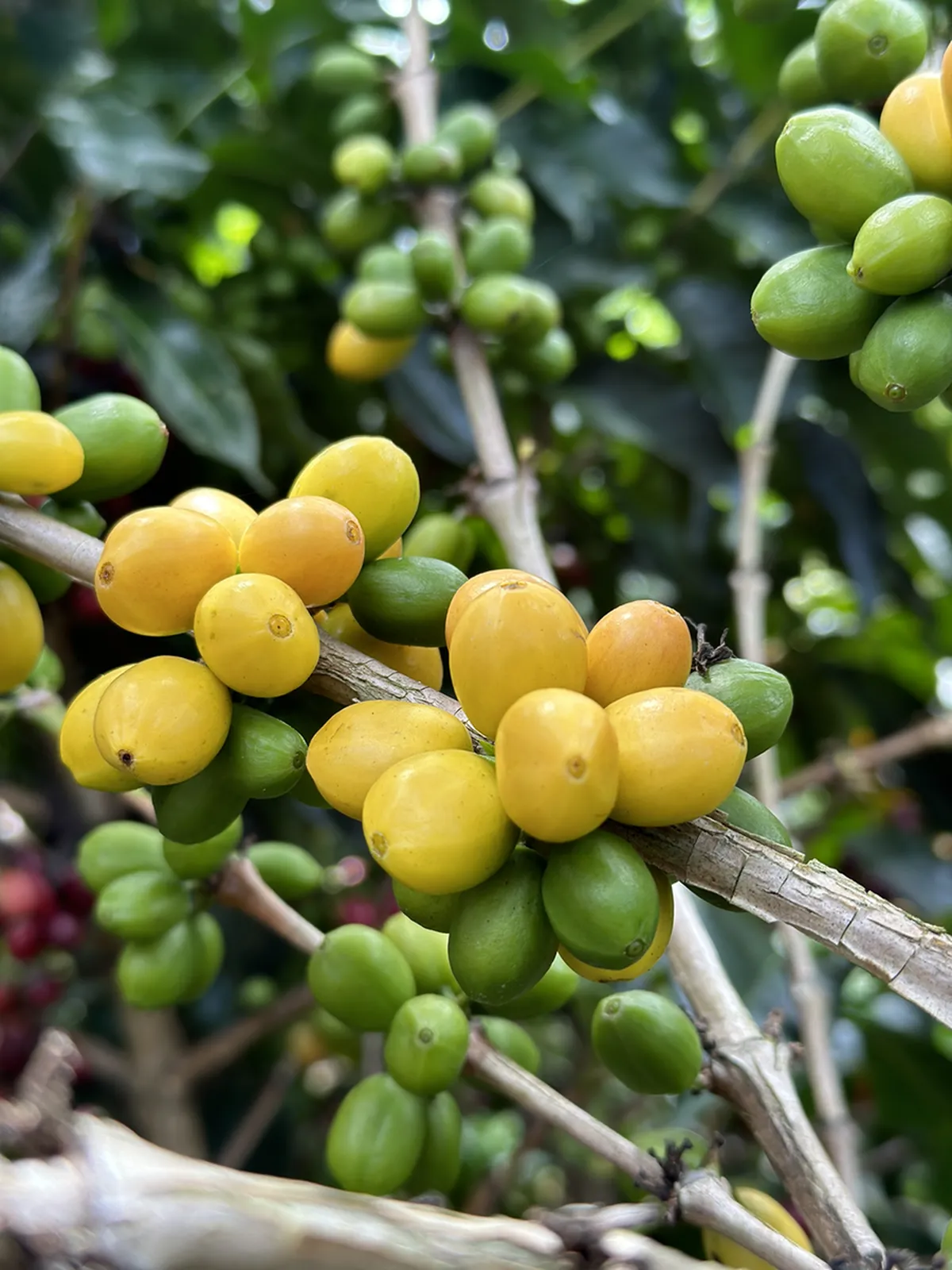
The microlots are available depending on the time of the year and harvest period, we can find a variety of different microlots in all the different processing methods: honey, natural, anaerobic and washed.




Delivering the Exact Coffee You Seek
At Plateau Harvest, we specialize in connecting you directly with Latin America’s finest coffee origins. With years of expertise in sourcing and trading, we provide wholesale distribution built on transparency, quality, and efficient logistics—ensuring every lot meets your business needs.


-1.png)