

About Mexico
Mexico’s coffee reflects tradition, community, and resilience. Regions such as Chiapas, Veracruz, and Oaxaca are renowned for distinctive profiles and artisanal methods, often passed down through generations. Today, specialty coffee culture thrives through festivals, cuppings, and competitions
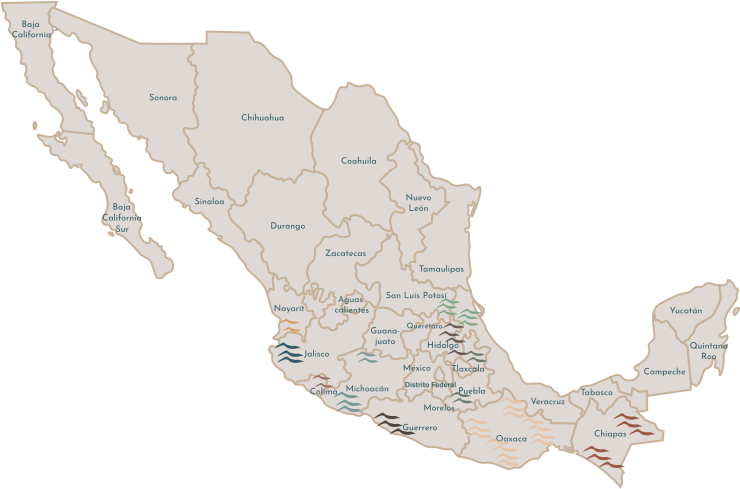

Chiapas, situated in southeastern Mexico near the Guatemalan border, is one of the country’s most important coffee-producing regions. Coffee farms are typically located at altitudes between 800 and 1,800 meters above sea level, taking advantage of the region’s mountainous terrain, fertile volcanic soils, and favorable climates.
Coffee was introduced to Chiapas in the late 19th century, during a period of significant agricultural development in Mexico. The rugged terrain and rich soils soon made Chiapas a key coffee region, especially as the demand for Mexican coffee grew in international markets. Over the 20th century, small farmers and cooperative groups expanded coffee production, blending traditional indigenous practices with modern farming techniques.
Today, coffee is a cornerstone of Chiapas’ economy, providing livelihoods for thousands of smallholders, indigenous communities, and cooperatives. The region is known for producing high-quality, specialty-grade coffee that commands premium prices globally. Coffee exports are vital for local economies, and efforts to promote sustainable, organic, and fair-trade practices are increasing, aligning with international market demands.
The indigenous communities of Chiapas, such as the Tzotzil and Tzeltal, have cultivated coffee for generations, often maintaining traditional practices like handpicking ripe cherries and natural or washed processing methods. These techniques emphasize quality, flavor, and environmental sustainability. Coffee cultivation is deeply embedded in local culture, with many community festivals and traditions centered around coffee harvest and processing.
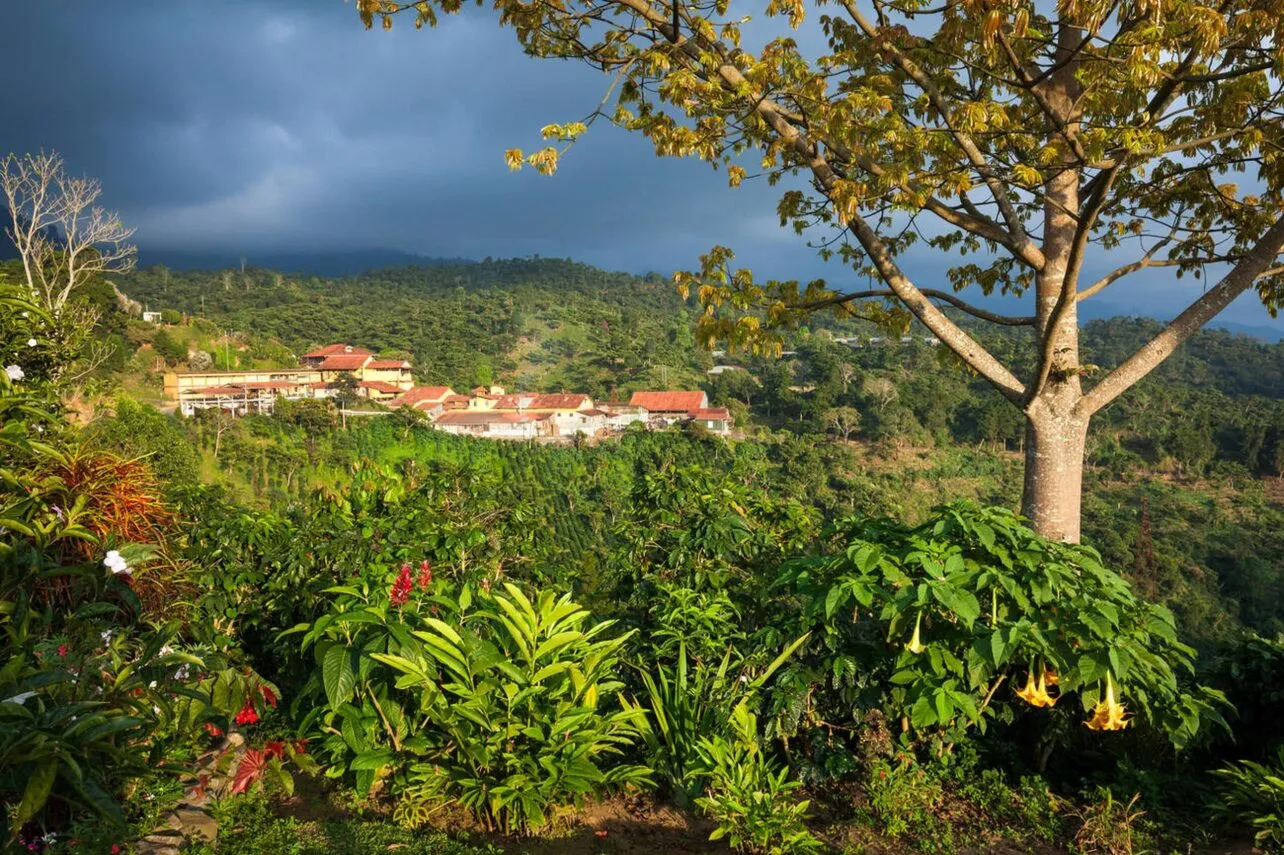

Colima is a small state located along the Pacific coast of Mexico. The coffee-growing areas in Colima are situated at altitudes ranging from approximately 800 to 1,700 meters above sea level. The region’s volcanic soils and warm climate create suitable conditions for growing Arabica coffee, although it is less prominent compared to other Mexican coffee regions.
The region’s coffee industry has historically been smaller compared to other Mexican states like Chiapas or Oaxaca but has grown in recent years due to the global demand for specialty coffees.
Colima coffee is gaining attention internationally for its smooth, balanced flavor profile and clean cup. Its moderate acidity combined with fruity and nutty notes makes it appealing to specialty coffee consumers.
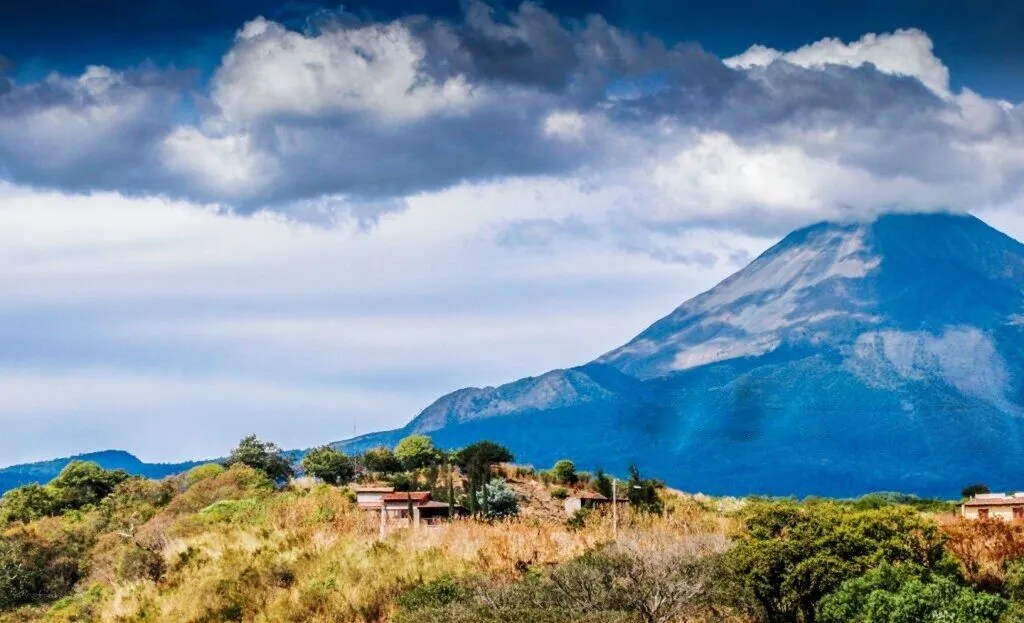

Guerrero, situated along Mexico’s Pacific coast, is a region with diverse altitudes, generally ranging from 600 to 1,700 meters above sea level. In Guerrero, many coffee farms utilize piedra laja (slate stone) to construct drying patios. This natural material is highly valued in traditional coffee processing due to several important qualities: the stones help regulate the temperature on the drying surface, absorbing heat during the day and releasing it slowly at night, which promotes gradual and even drying of coffee beans.
The flat, smooth surface of piedra laja ensures uniform exposure of the coffee beans to sunlight and air, reducing the risk of mold or over-drying. The slate is a durable, natural material that withstands exposure to weather conditions over time, making it an environmentally friendly and long-lasting solution for drying patios.
Using piedra laja in Guerrero’s coffee drying process is a longstanding tradition rooted in local craftsmanship and sustainable farming practices, contributing to the distinctive quality of Guerrero coffee. This method is crucial in maintaining the quality of the coffee by controlling drying conditions, preserving flavor integrity, and preventing defects. The use of piedra laja exemplifies the region’s artisanal approach and respect for natural materials in coffee production.
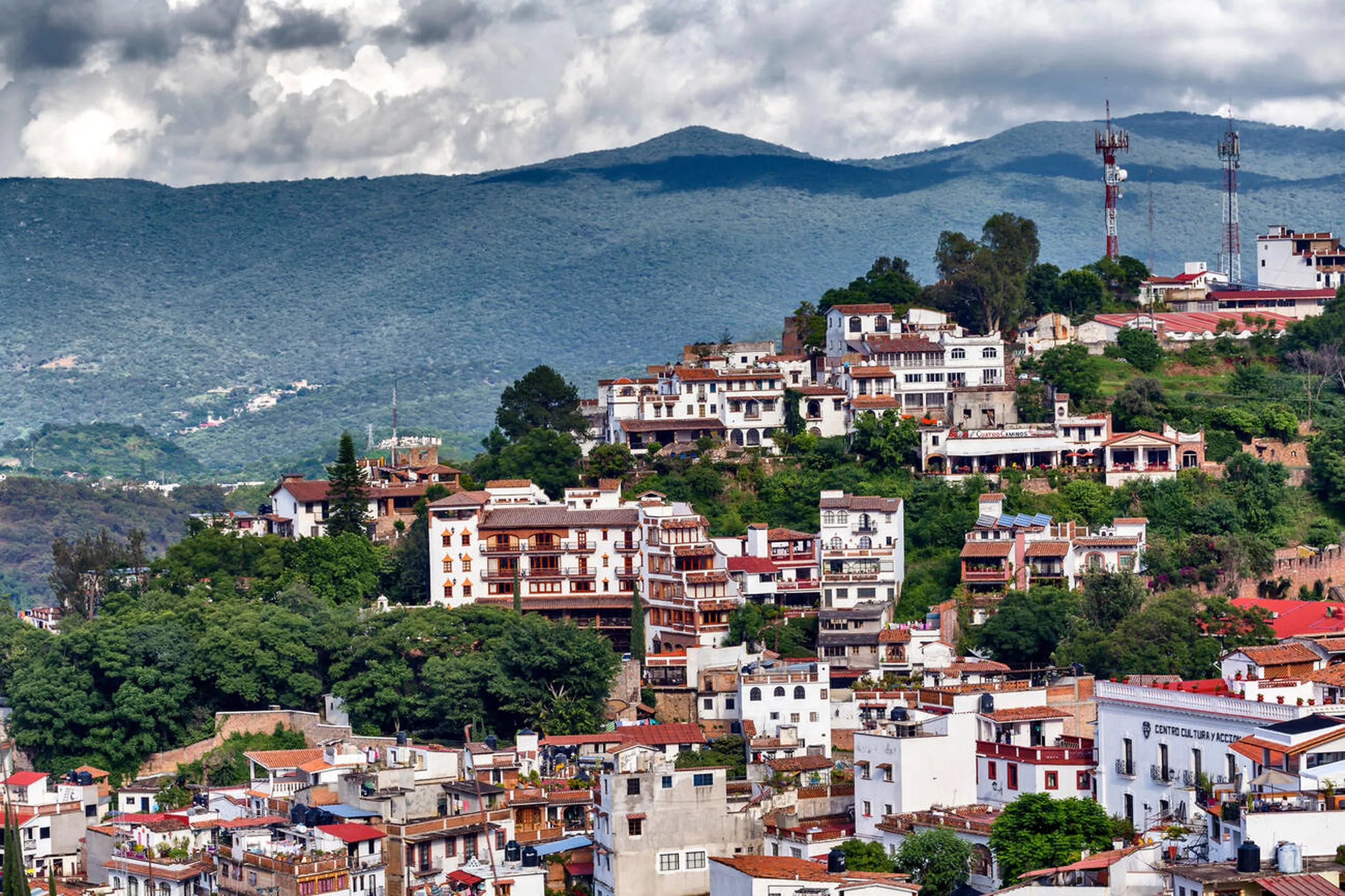

Hidalgo, located in central Mexico, has diverse coffee-growing zones primarily situated between 1,200 and 1,800 meters above sea level.
Coffee was introduced to Hidalgo in the late 19th and early 20th centuries, during Mexico’s efforts to expand its coffee industry. The indigenous communities and small farmers in the region began cultivating coffee using traditional methods, blending local customs with modern agricultural practices. Over time, Hidalgo established a reputation for producing flavorful, artisanal coffee aligned with Mexico’s broader coffee heritage.
Pluma Hidalgo is not only a geographic region but also a renowned coffee variety from the mountain town of Pluma Hidalgo in Oaxaca, Mexico. Though often associated with Oaxaca, the variety’s prominence extends into neighboring regions like Hidalgo’s high-altitude zones, where it is cultivated for its exceptional quality. The Pluma Hidalgo variety is deeply rooted in the local coffee tradition, dating back over a century when indigenous farmers began cultivating high-quality Arabica beans in the mountainous terrain.
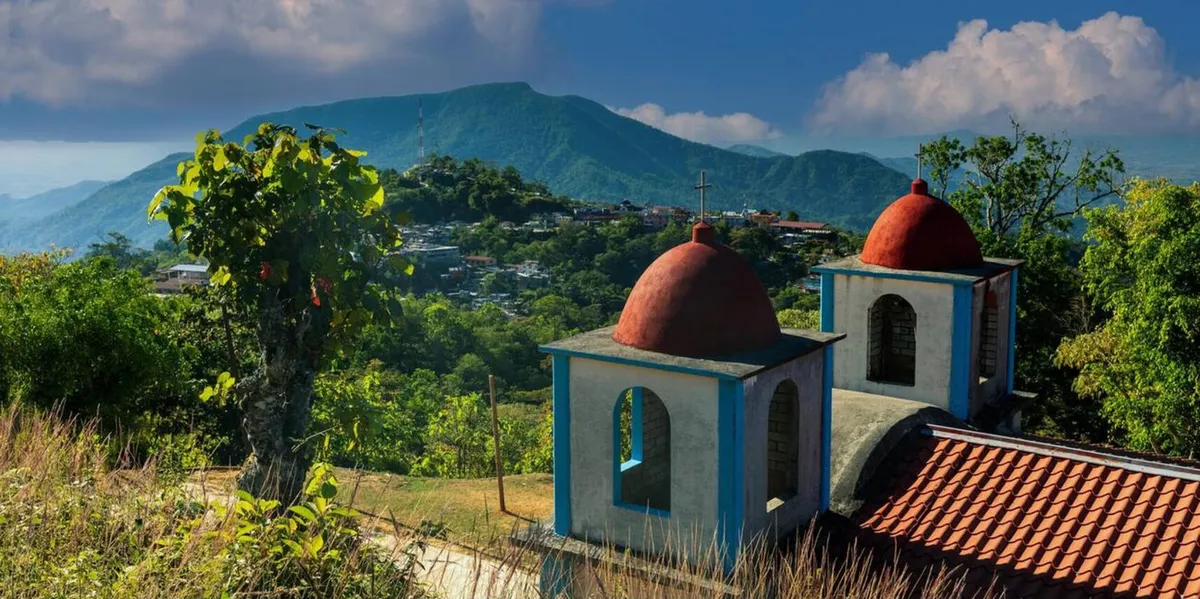

Jalisco, a state in western Mexico, has varying altitudes for coffee production, generally ranging from 800 to 1,700 meters above sea level. The region’s climate, combined with fertile volcanic soils and mountain slopes, creates suitable conditions for cultivating Arabica coffee, especially in highland areas.
The region’s climate features warm days and cooler nights, which contribute to slow bean maturation and complex flavor development. The volcanic soils enrich the land with minerals, enhancing coffee quality.
Jalisco’s coffee is recognized for its mild flavor profiles with balanced acidity, often featuring hints of fruit, floral notes, and a smooth body. Although it has not yet achieved the same international fame as other Mexican regions, its focus on quality and sustainability is elevating its reputation in the global specialty coffee market. Despite challenges such as climate change, there’s active effort among producers to innovate and improve quality standards.
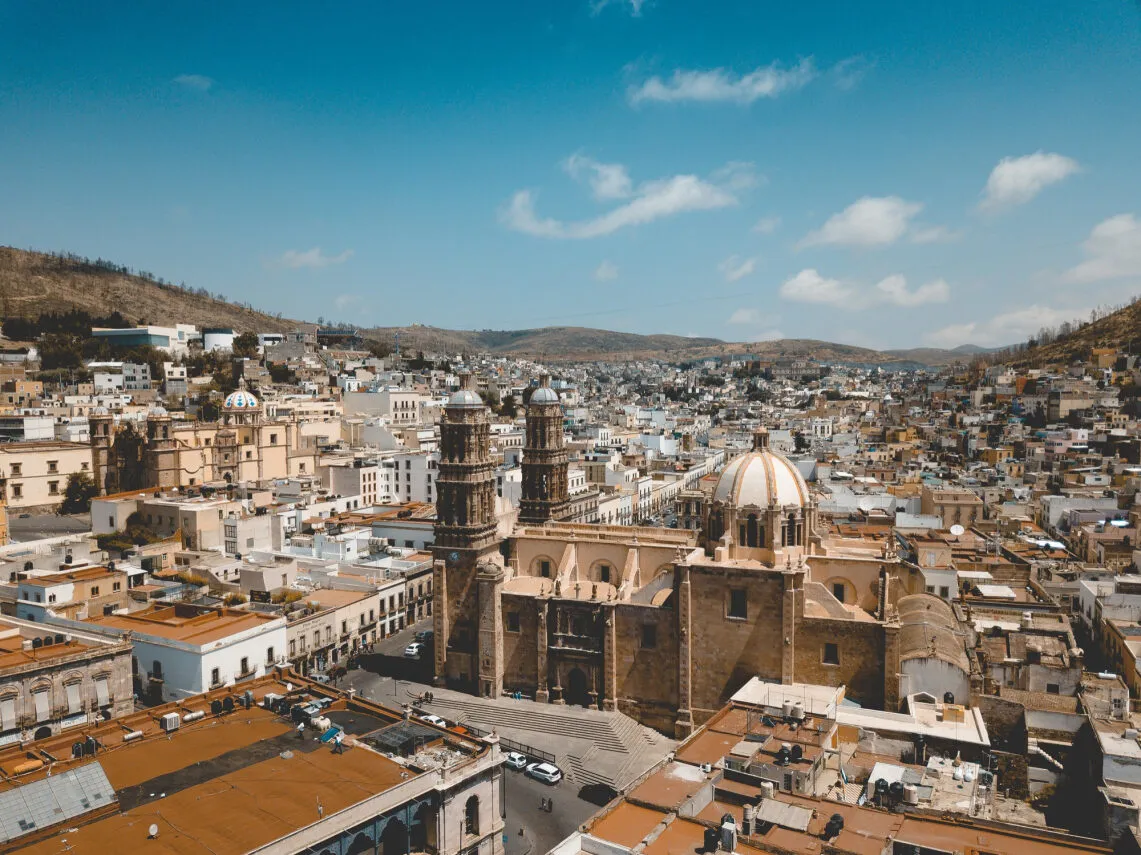

Michoacán, located in Western Mexico, has diverse coffee-growing zones at altitudes ranging from 900 to 1,700 meters above sea level. The diverse geography features mountainous regions, plateaus, and volcanic soils, which create favorable microclimates for coffee cultivation. The region benefits from a combination of moderate rainfall and well-drained volcanic soils, producing beans with complex flavor profiles.
Michoacán coffee is acclaimed for its balance, bright acidity, and aromatic complexity, including fruity, floral, and nutty notes. Its unique microclimates, volcanic soils, and traditional practices contribute to its distinctive flavor profiles. The region is gradually gaining prominence in international specialty coffee competitions and markets.
Michoacán's success in winning a first-place Cup of Excellence award in 2018 is a significant achievement that highlights the quality and reputation of its coffee. The winning lot was recognized for its vibrant acidity, floral and fruity aromatics, and a rich, smooth body.
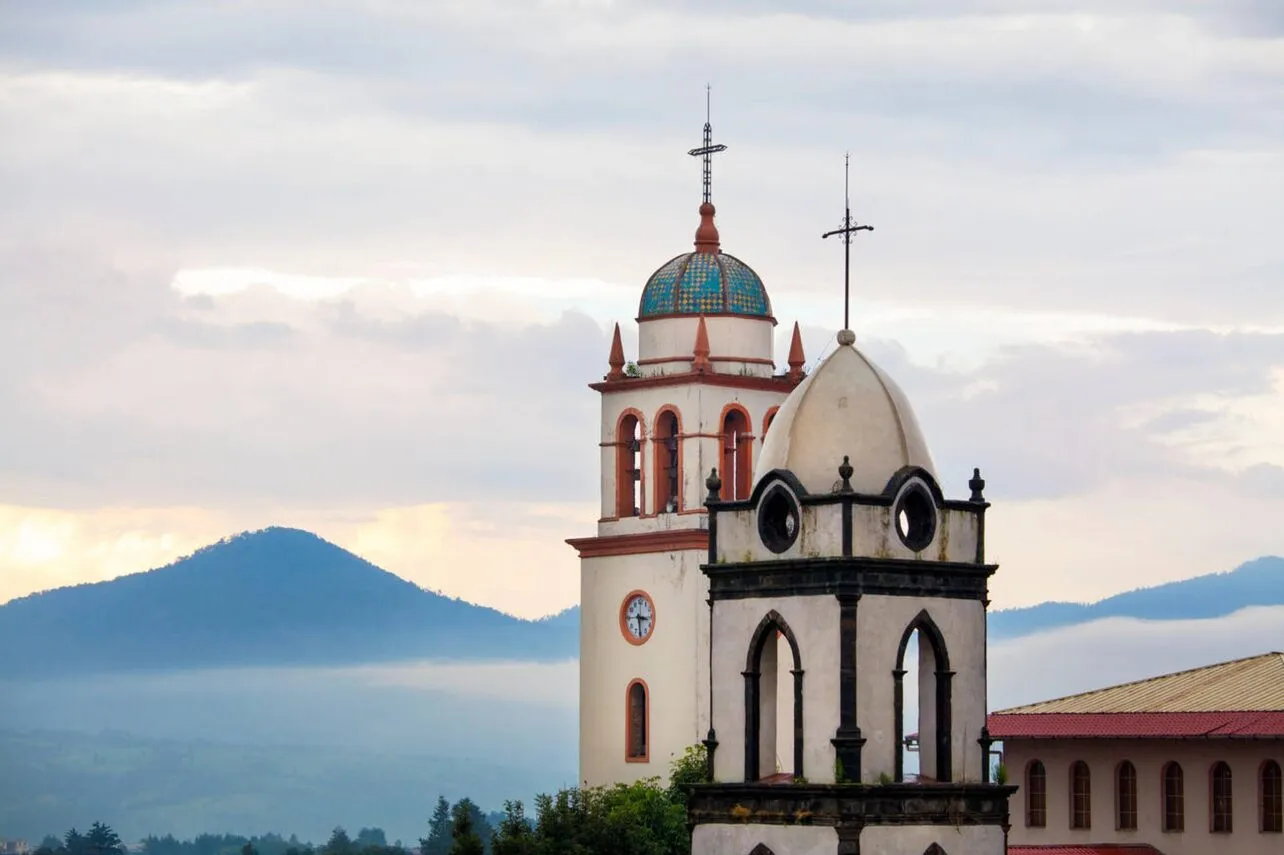

Nayarit, located on Mexico’s Pacific coast, has diverse coffee-growing regions, mostly situated at altitudes between 900 and 1,500 meters above sea level. Its microclimates, driven by coastal influence and mountainous terrain, create favorable conditions for cultivating Arabica coffee with vibrant acidity and well-defined flavor profiles.
Due to its geographic location along the Pacific coast of Mexico, Nayarit is at the northern limit of the coffee-growing belt in the Western Hemisphere, this makes Nayarit a unique place to grow coffee. Nayarit’s microclimates are influenced by both tropical moisture and cooler coastal breezes, resulting in distinctive flavor profiles. We can find coffees with bright acidity, aromatic complexity, and clean flavor profiles. It often features notes of citrus, floral, and fruity undertones.
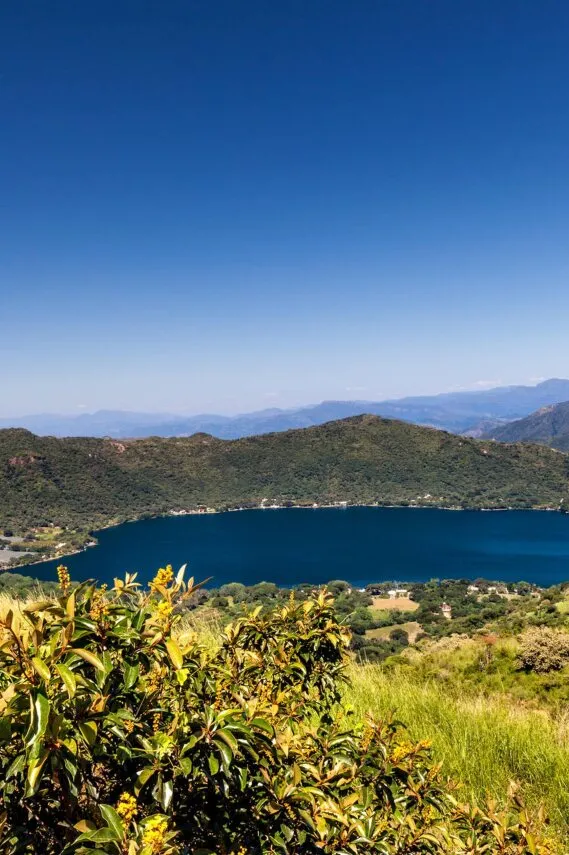

Oaxaca, located in southern Mexico, is one of the country’s most prominent coffee regions. The coffee-growing areas are situated at altitudes between 800 and 1,800 meters above sea level, with some highland zones reaching even higher elevations. The region’s diverse microclimates, volcanic soils, and varied terrain create ideal conditions for cultivating Arabica coffee with complex flavor profiles.
The Pluma Hidalgo variety is a renowned strain of Arabica native to the district of the same name in Oaxaca. It has a long-standing cultural and agricultural significance, dating back over a century. Pluma Hidalgo is celebrated for its unique genetics, which contribute to its distinctive flavor profile. The variety is highly prized for its high density, resilience to pests, and the complex floral, fruity, and citrus notes it imparts to the coffee.
This variety is considered one of the hallmark coffees of Oaxaca, often used in high-quality, single-origin coffees and competitions. Its traditional cultivation, combined with sustainable and artisanal processing, has gained international recognition. The Pluma Hidalgo coffee embodies the rich natural and cultural heritage of the region, making it one of Mexico’s most iconic specialty coffees.
Coffee from Oaxaca has a Denomination of Origin (DO), this is a legal certification that protects coffee originating from specific regions in Oaxaca, Mexico. It guarantees the coffee’s quality, unique flavor, and authentic origin, based on traditional cultivation and processing practices, such as hand-harvesting and natural or washed methods. Only coffee grown and processed within designated zones can use the name "Café de Oaxaca," helping to preserve regional identity, increase market value, and prevent imitation. This certification has boosted Oaxaca’s reputation as a producer of high-quality, distinctive coffee with floral, fruity, and earthy notes, appealing to international markets.
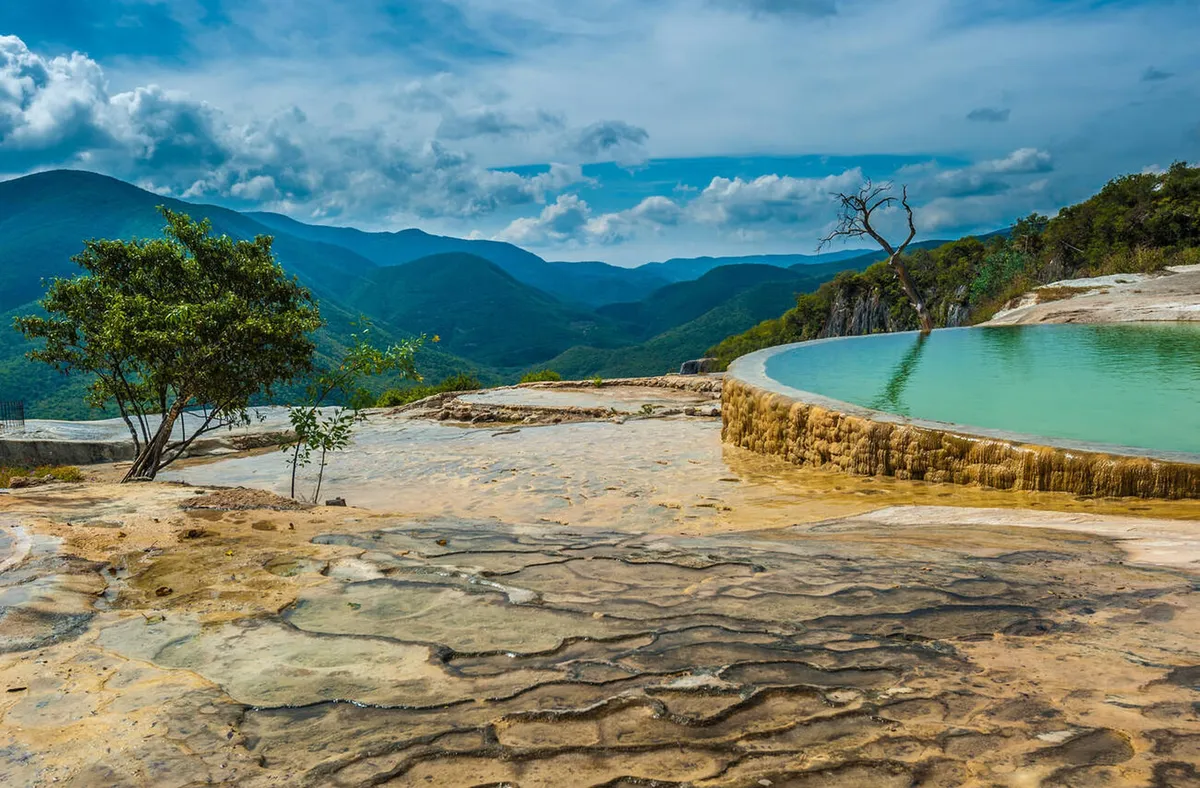

Puebla is characterized by its rugged terrain, with many mountainous areas that provide excellent microclimates for coffee growing. The altitude varies from 900 to 1,900 meters. The coffee-growing areas are situated mainly in the Sierra Madre Oriental and other volcanic highlands within Puebla’s territory. The Volcanoes of Puebla, such as Popocatépetl, Iztaccíhuatl, and Atlixco's volcanic peaks, provide fertile soils and microclimates ideal for high-quality coffees.
Puebla’s coffee is increasingly recognized for its balanced acidity, floral and citrus aromas, and full-bodied flavor. While still emerging on the global stage, Puebla’s emphasis on quality, sustainability, and artisanal methods has begun to attract specialty coffee roasters and connoisseurs worldwide.
Puebla has won the first place in a COE: 2017, 2019, 2020 and 2022. In 2020 they achieved the highest scores earning a place among the top lots auctioned globally and in t 2022 the coffee ranked scores above 94 points. These recent results reinforce Puebla’s reputation as an up-and-coming region for high-quality, specialty coffee in Mexico.
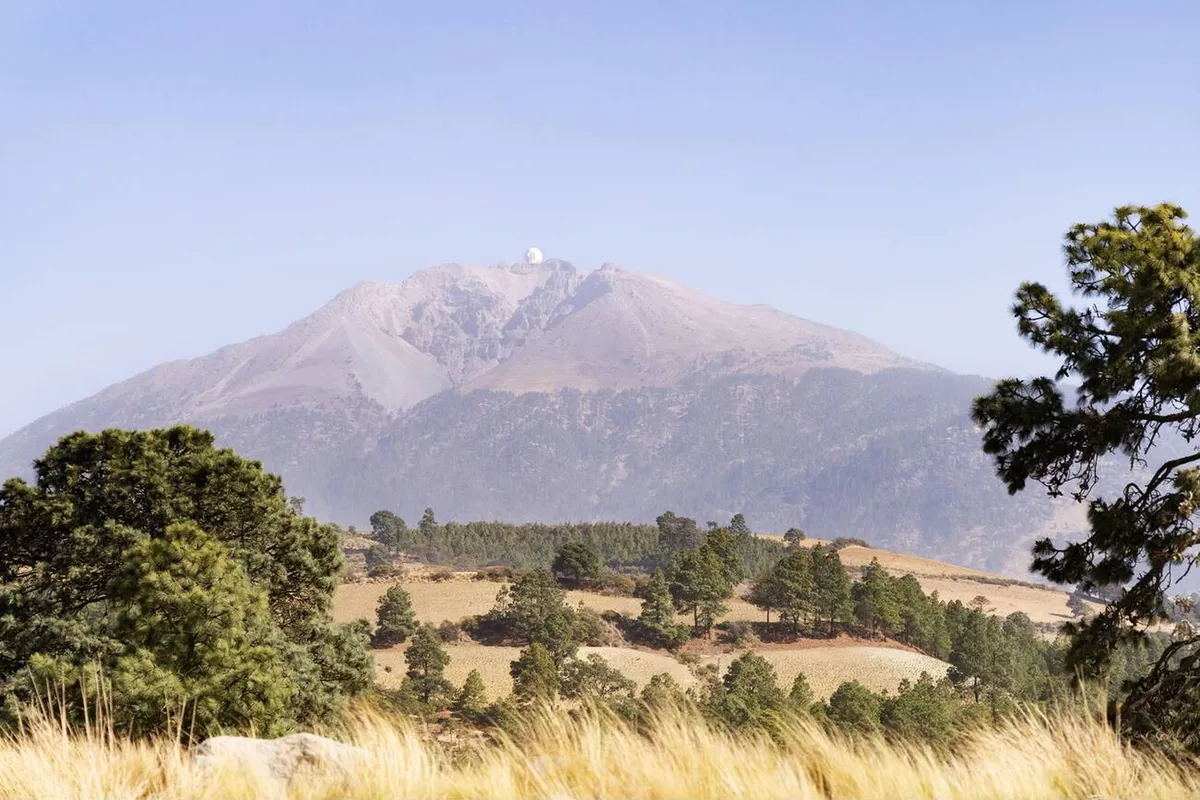

San Luis Potosí, in central Mexico, has emerging coffee-growing regions situated at altitudes between 900 and 1,500 meters above sea level. San Luis Potosí features a diverse landscape, including mountain ranges, highlands, and volcanic soils which provide an excellent environment for coffee cultivation. The region’s microclimates and soil richness help produce beans with vibrant acidity and complex flavor profiles.
Although not yet a major coffee producer nationally, San Luis Potosí’s coffee industry is growing steadily, especially with the rise of high-quality and specialty coffee. Coffee farming provides vital income to rural communities, with an emphasis on organic, sustainable, and direct-trade practices that aim to fetch better prices in international markets.
San Luis Potosí is gaining recognition within the specialty coffee community for its bright, floral, and fruity profiles, with some lots earning awards and high scores in coffee competitions. In 2019 A farm from San Luis Potosí scored highly in COE and ranked within the top lots, receiving scores above 86 points. The coffee was praised for its bright acidity, floral and citrus notes, and clean, expressive cup profile.
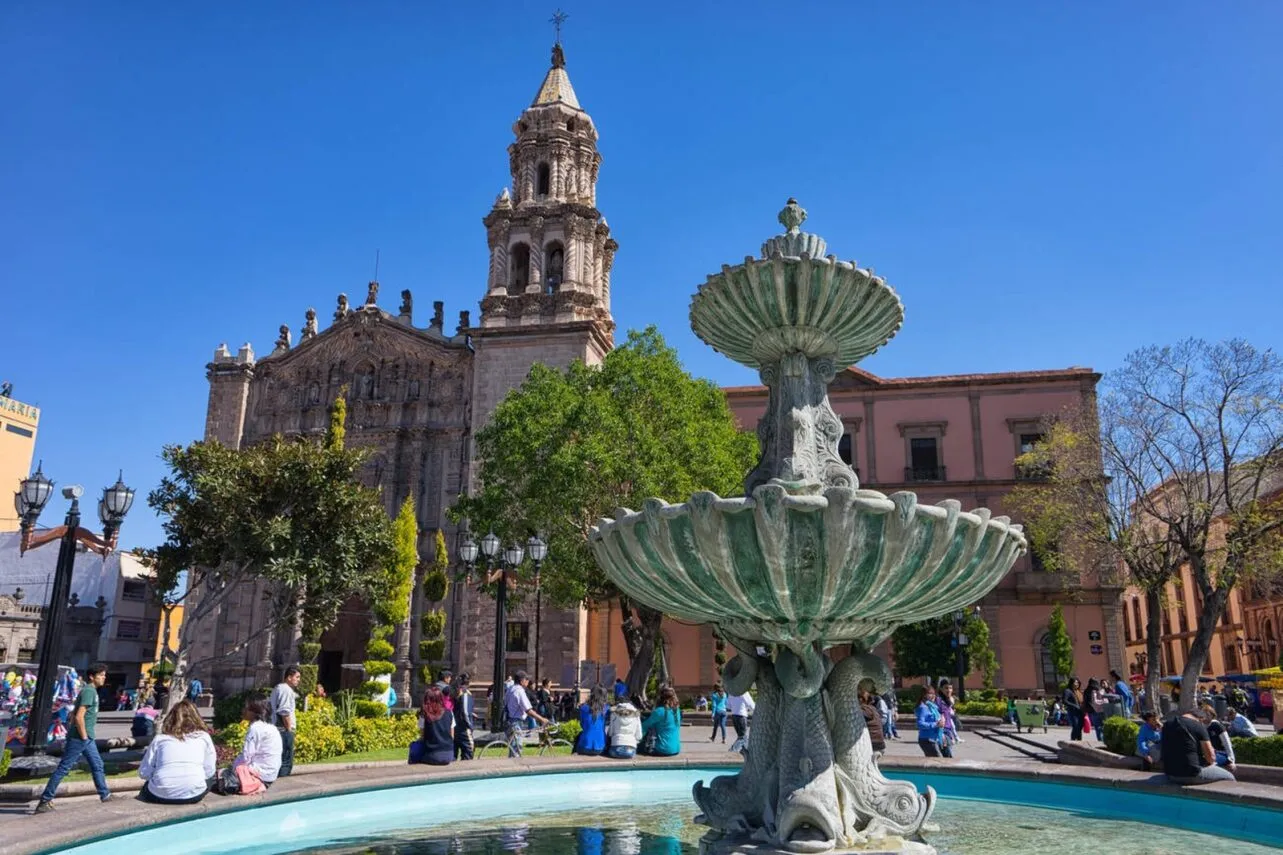
Veracruz, located along Mexico’s Gulf coast, has numerous coffee-growing zones at altitudes ranging from 800 to 1,700 meters above sea level. Veracruz’s extensive and diverse microclimates influenced by altitude, proximity to the Gulf of Mexico, and mountainous terrain allow for a variety of flavor profiles. Volcanic soils provide essential minerals, enhancing bean quality and complexity. Coastal areas tend to produce coffees with fruity, bright profiles, while highland zones offer more floral and chocolaty notes.
Coffee was introduced to Veracruz in the late 19th century, expanding rapidly due to its favorable geography. The region became Mexico’s largest coffee producer, driven by both small indigenous farmers and large plantations. Veracruz’s coffee history is intertwined with its colonial legacy, with traditional cultivation methods maintaining importance alongside modern practices.
Coffee is one of Veracruz’s most vital agricultural exports, supporting thousands of farmers and local communities. The industry is diverse, including smallholder farmers, cooperatives, and larger plantations. Over the years, there has been a focus on producing high-quality, organic, and sustainable coffees for international markets. The industry helps sustain regional economies and promotes rural development.
Veracruz coffee is internationally recognized for its bright acidity, floral and fruity aromatics, and a balanced body. Its flavor profiles often include hints of citrus, tropical fruits, and chocolate. Veracruz’s coffees frequently win awards in national and international competitions, enhancing its reputation in the specialty coffee world.
About Mexico
Mexico’s coffee reflects tradition, community, and resilience. Regions such as Chiapas, Veracruz, and Oaxaca are renowned for distinctive profiles and artisanal methods, often passed down through generations. Today, specialty coffee culture thrives through festivals, cuppings, and competitions
Chiapas, situated in southeastern Mexico near the Guatemalan border, is one of the country’s most important coffee-producing regions. Coffee farms are typically located at altitudes between 800 and 1,800 meters above sea level, taking advantage of the region’s mountainous terrain, fertile volcanic soils, and favorable climates.
Coffee was introduced to Chiapas in the late 19th century, during a period of significant agricultural development in Mexico. The rugged terrain and rich soils soon made Chiapas a key coffee region, especially as the demand for Mexican coffee grew in international markets. Over the 20th century, small farmers and cooperative groups expanded coffee production, blending traditional indigenous practices with modern farming techniques.
Today, coffee is a cornerstone of Chiapas’ economy, providing livelihoods for thousands of smallholders, indigenous communities, and cooperatives. The region is known for producing high-quality, specialty-grade coffee that commands premium prices globally. Coffee exports are vital for local economies, and efforts to promote sustainable, organic, and fair-trade practices are increasing, aligning with international market demands.
The indigenous communities of Chiapas, such as the Tzotzil and Tzeltal, have cultivated coffee for generations, often maintaining traditional practices like handpicking ripe cherries and natural or washed processing methods. These techniques emphasize quality, flavor, and environmental sustainability. Coffee cultivation is deeply embedded in local culture, with many community festivals and traditions centered around coffee harvest and processing.

Colima is a small state located along the Pacific coast of Mexico. The coffee-growing areas in Colima are situated at altitudes ranging from approximately 800 to 1,700 meters above sea level. The region’s volcanic soils and warm climate create suitable conditions for growing Arabica coffee, although it is less prominent compared to other Mexican coffee regions.
The region’s coffee industry has historically been smaller compared to other Mexican states like Chiapas or Oaxaca but has grown in recent years due to the global demand for specialty coffees.
Colima coffee is gaining attention internationally for its smooth, balanced flavor profile and clean cup. Its moderate acidity combined with fruity and nutty notes makes it appealing to specialty coffee consumers.
Guerrero, situated along Mexico’s Pacific coast, is a region with diverse altitudes, generally ranging from 600 to 1,700 meters above sea level. In Guerrero, many coffee farms utilize piedra laja (slate stone) to construct drying patios. This natural material is highly valued in traditional coffee processing due to several important qualities: the stones help regulate the temperature on the drying surface, absorbing heat during the day and releasing it slowly at night, which promotes gradual and even drying of coffee beans. The flat, smooth surface of piedra laja ensures uniform exposure of the coffee beans to sunlight and air, reducing the risk of mold or over-drying. The slate is a durable, natural material that withstands exposure to weather conditions over time, making it an environmentally friendly and long-lasting solution for drying patios.
Using piedra laja in Guerrero’s coffee drying process is a longstanding tradition rooted in local craftsmanship and sustainable farming practices, contributing to the distinctive quality of Guerrero coffee. This method is crucial in maintaining the quality of the coffee by controlling drying conditions, preserving flavor integrity, and preventing defects. The use of piedra laja exemplifies the region’s artisanal approach and respect for natural materials in coffee production.
Hidalgo, located in central Mexico, has diverse coffee-growing zones primarily situated between 1,200 and 1,800 meters above sea level.
Coffee was introduced to Hidalgo in the late 19th and early 20th centuries, during Mexico’s efforts to expand its coffee industry. The indigenous communities and small farmers in the region began cultivating coffee using traditional methods, blending local customs with modern agricultural practices. Over time, Hidalgo established a reputation for producing flavorful, artisanal coffee aligned with Mexico’s broader coffee heritage.
Pluma Hidalgo is not only a geographic region but also a renowned coffee variety from the mountain town of Pluma Hidalgo in Oaxaca, Mexico. Though often associated with Oaxaca, the variety’s prominence extends into neighboring regions like Hidalgo’s high-altitude zones, where it is cultivated for its exceptional quality. The Pluma Hidalgo variety is deeply rooted in the local coffee tradition, dating back over a century when indigenous farmers began cultivating high-quality Arabica beans in the mountainous terrain.
Jalisco, a state in western Mexico, has varying altitudes for coffee production, generally ranging from 800 to 1,700 meters above sea level. The region’s climate, combined with fertile volcanic soils and mountain slopes, creates suitable conditions for cultivating Arabica coffee, especially in highland areas.
The region’s climate features warm days and cooler nights, which contribute to slow bean maturation and complex flavor development. The volcanic soils enrich the land with minerals, enhancing coffee quality.
Jalisco’s coffee is recognized for its mild flavor profiles with balanced acidity, often featuring hints of fruit, floral notes, and a smooth body. Although it has not yet achieved the same international fame as other Mexican regions, its focus on quality and sustainability is elevating its reputation in the global specialty coffee market. Despite challenges such as climate change, there’s active effort among producers to innovate and improve quality standards.
Michoacán, located in Western Mexico, has diverse coffee-growing zones at altitudes ranging from 900 to 1,700 meters above sea level. The diverse geography features mountainous regions, plateaus, and volcanic soils, which create favorable microclimates for coffee cultivation. The region benefits from a combination of moderate rainfall and well-drained volcanic soils, producing beans with complex flavor profiles.
Michoacán coffee is acclaimed for its balance, bright acidity, and aromatic complexity, including fruity, floral, and nutty notes. Its unique microclimates, volcanic soils, and traditional practices contribute to its distinctive flavor profiles. The region is gradually gaining prominence in international specialty coffee competitions and markets.
Nayarit, located on Mexico’s Pacific coast, has diverse coffee-growing regions, mostly situated at altitudes between 900 and 1,500 meters above sea level. Its microclimates, driven by coastal influence and mountainous terrain, create favorable conditions for cultivating Arabica coffee with vibrant acidity and well-defined flavor profiles.
Due to its geographic location along the Pacific coast of Mexico, Nayarit is at the northern limit of the coffee-growing belt in the Western Hemisphere, this makes Nayarit a unique place to grow coffee. Nayarit’s microclimates are influenced by both tropical moisture and cooler coastal breezes, resulting in distinctive flavor profiles. We can find coffees with bright acidity, aromatic complexity, and clean flavor profiles. It often features notes of citrus, floral, and fruity undertones.
Also, its location allows for a relatively longer harvest window compared to more southern regions, offering flexibility and innovation in production of specialty coffees.
Oaxaca, located in southern Mexico, is one of the country’s most prominent coffee regions. The coffee-growing areas are situated at altitudes between 800 and 1,800 meters above sea level, with some highland zones reaching even higher elevations. The region’s diverse microclimates, volcanic soils, and varied terrain create ideal conditions for cultivating Arabica coffee with complex flavor profiles.
The Pluma Hidalgo variety is a renowned strain of Arabica native to the district of the same name in Oaxaca. It has a long-standing cultural and agricultural significance, dating back over a century. Pluma Hidalgo is celebrated for its unique genetics, which contribute to its distinctive flavor profile. The variety is highly prized for its high density, resilience to pests, and the complex floral, fruity, and citrus notes it imparts to the coffee.
This variety is considered one of the hallmark coffees of Oaxaca, often used in high-quality, single-origin coffees and competitions. Its traditional cultivation, combined with sustainable and artisanal processing, has gained international recognition. The Pluma Hidalgo coffee embodies the rich natural and cultural heritage of the region, making it one of Mexico’s most iconic specialty coffees.
Coffee from Oaxaca has a Denomination of Origin (DO), this is a legal certification that protects coffee originating from specific regions in Oaxaca, Mexico. It guarantees the coffee’s quality, unique flavor, and authentic origin, based on traditional cultivation and processing practices, such as hand-harvesting and natural or washed methods. Only coffee grown and processed within designated zones can use the name "Café de Oaxaca," helping to preserve regional identity, increase market value, and prevent imitation. This certification has boosted Oaxaca’s reputation as a producer of high-quality, distinctive coffee with floral, fruity, and earthy notes, appealing to international markets.

Puebla is characterized by its rugged terrain, with many mountainous areas that provide excellent microclimates for coffee growing. The altitude varies from 900 to 1,900 meters. The coffee-growing areas are situated mainly in the Sierra Madre Oriental and other volcanic highlands within Puebla’s territory. The Volcanoes of Puebla, such as Popocatépetl, Iztaccíhuatl, and Atlixco's volcanic peaks, provide fertile soils and microclimates ideal for high-quality coffees.
Puebla’s coffee is increasingly recognized for its balanced acidity, floral and citrus aromas, and full-bodied flavor. While still emerging on the global stage, Puebla’s emphasis on quality, sustainability, and artisanal methods has begun to attract specialty coffee roasters and connoisseurs worldwide.
Puebla has won the first place in a COE: 2017, 2019, 2020 and 2022. In 2020 they achieved the highest scores earning a place among the top lots auctioned globally and in t 2022 the coffee ranked scores above 94 points. These recent results reinforce Puebla’s reputation as an up-and-coming region for high-quality, specialty coffee in Mexico.
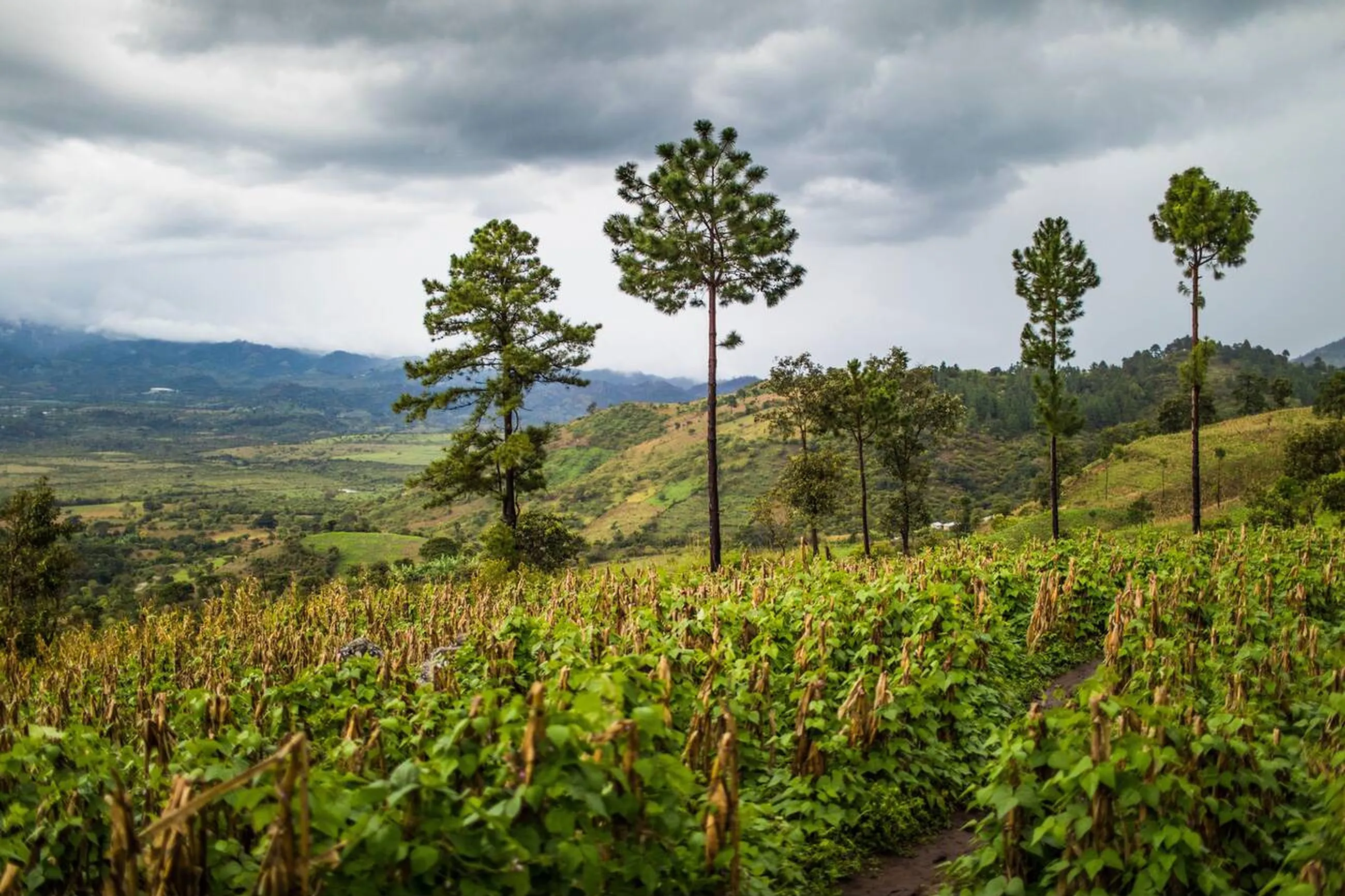
San Luis Potosí, in central Mexico, has emerging coffee-growing regions situated at altitudes between 900 and 1,500 meters above sea level. San Luis Potosí features a diverse landscape, including mountain ranges, highlands, and volcanic soils which provide an excellent environment for coffee cultivation. The region’s microclimates and soil richness help produce beans with vibrant acidity and complex flavor profiles.
Although not yet a major coffee producer nationally, San Luis Potosí’s coffee industry is growing steadily, especially with the rise of high-quality and specialty coffee. Coffee farming provides vital income to rural communities, with an emphasis on organic, sustainable, and direct-trade practices that aim to fetch better prices in international markets.
San Luis Potosí is gaining recognition within the specialty coffee community for its bright, floral, and fruity profiles, with some lots earning awards and high scores in coffee competitions. In 2019 A farm from San Luis Potosí scored highly in COE and ranked within the top lots, receiving scores above 86 points. The coffee was praised for its bright acidity, floral and citrus notes, and clean, expressive cup profile.
Veracruz, located along Mexico’s Gulf coast, has numerous coffee-growing zones at altitudes ranging from 800 to 1,700 meters above sea level. Veracruz’s extensive and diverse microclimates influenced by altitude, proximity to the Gulf of Mexico, and mountainous terrain allow for a variety of flavor profiles. Volcanic soils provide essential minerals, enhancing bean quality and complexity. Coastal areas tend to produce coffees with fruity, bright profiles, while highland zones offer more floral and chocolaty notes.
Coffee was introduced to Veracruz in the late 19th century, expanding rapidly due to its favorable geography. The region became Mexico’s largest coffee producer, driven by both small indigenous farmers and large plantations. Veracruz’s coffee history is intertwined with its colonial legacy, with traditional cultivation methods maintaining importance alongside modern practices.
Coffee is one of Veracruz’s most vital agricultural exports, supporting thousands of farmers and local communities. The industry is diverse, including smallholder farmers, cooperatives, and larger plantations. Over the years, there has been a focus on producing high-quality, organic, and sustainable coffees for international markets. The industry helps sustain regional economies and promotes rural development.
Veracruz coffee is internationally recognized for its bright acidity, floral and fruity aromatics, and a balanced body. Its flavor profiles often include hints of citrus, tropical fruits, and chocolate. Veracruz’s coffees frequently win awards in national and international competitions, enhancing its reputation in the specialty coffee world.


History
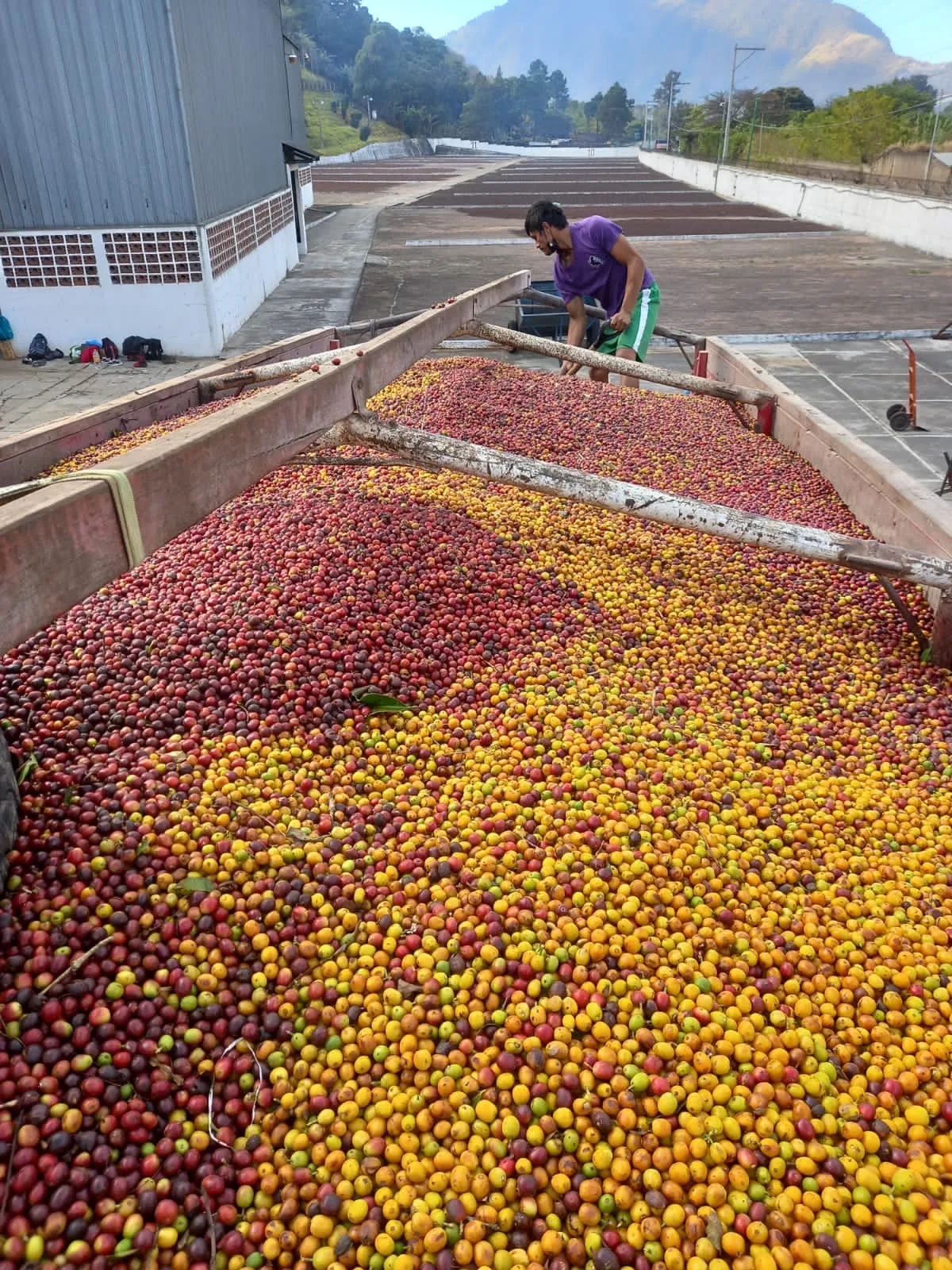
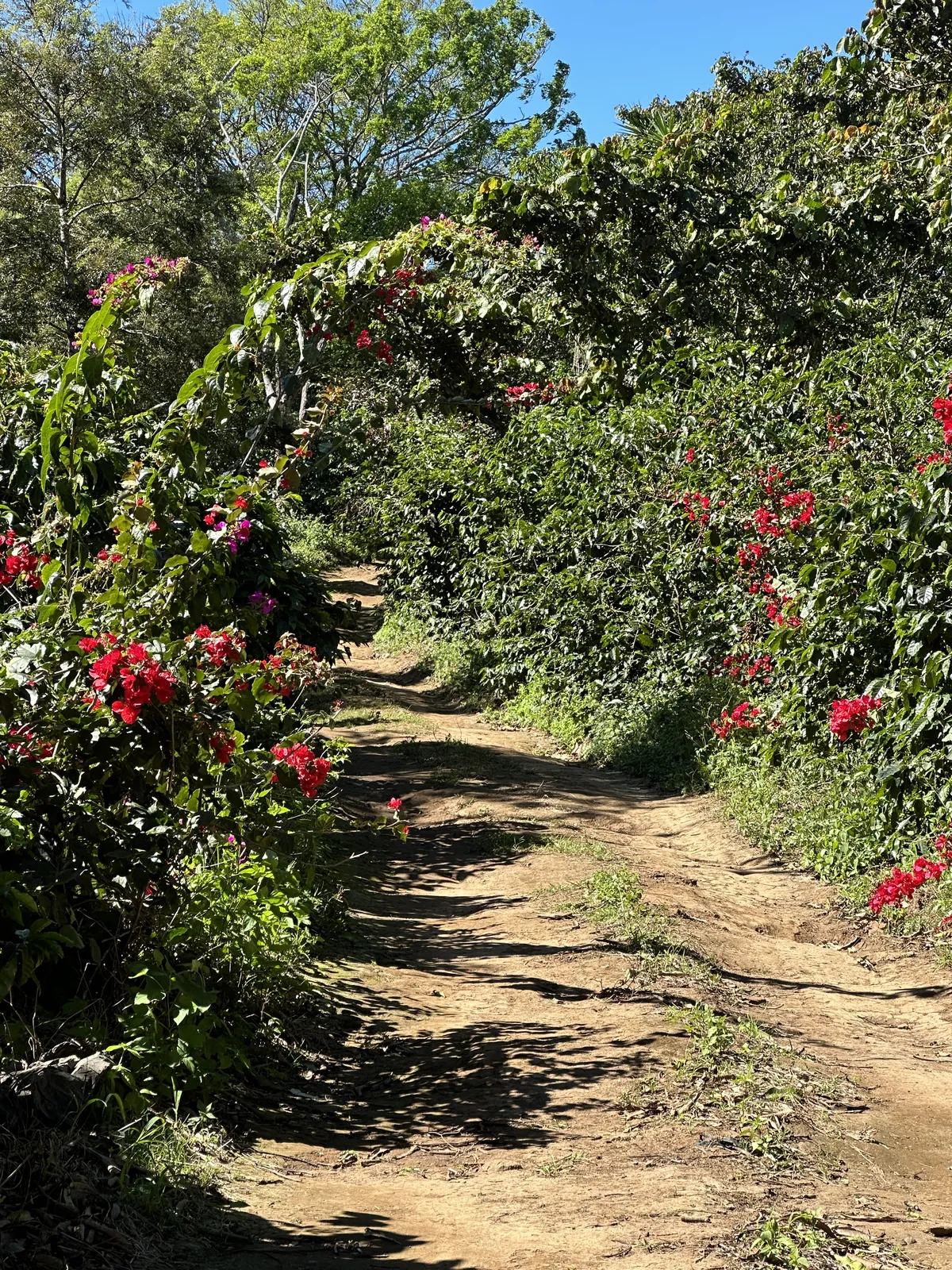
Coffee arrived nearly 300 years ago, replacing cochineal as a main crop. By the 19th century, plantations expanded in Veracruz, Chiapas, and Oaxaca, supported by fertile soils and diverse microclimates. Despite modern challenges such as climate change and pests, coffee remains a cultural and economic pillar across 15 states

Qualities
From Extra Prime Washed to Strictly High Grown, each grade reflects unique altitude, bean size, and flavor profiles that showcase Mexico’s diversity in every cup.
EPW (Screen size 14+)
Extra Prime Washed beans, large and uniform, ideal for blends. They deliver a clean, round cup with consistent quality at competitive prices.
EPW in Mexico coffee grading refers to a specific quality classification based on bean size and quality standards. EPW stands for Extra Prime Washed, indicating large beans, that meet strict size and quality criteria.
Typically, EPW beans are larger than 17/64 inches in diameter and are considered the best for blenders and low price coffee with a good round clean cup.
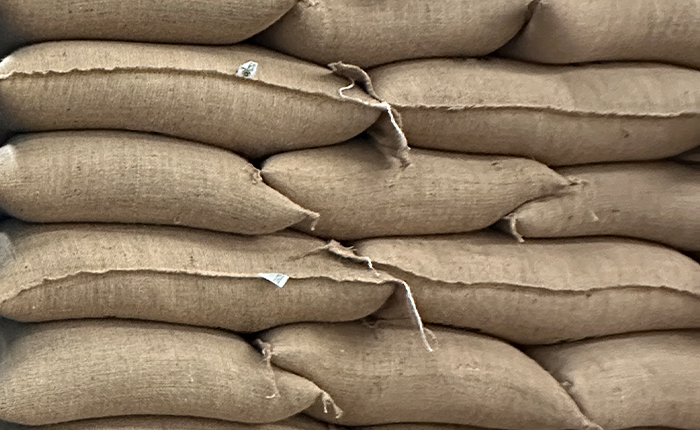

HG (Screen Size 15+)
High Grown coffee is cultivated above 1,200m.a.s.l, producing denser beans with smooth body, balanced flavor, and mild acidity, typically scoring 83–84 points.
Mexican "HG" coffee, often labeled as "Altura HG", signifies high-quality beans grown at high altitudes, meticulously sorted for defects, and known for their balanced flavor and mild acidity. The "HG" stands for "High Grown," indicating the beans were cultivated above 1200 meters above sea level, typically resulting in denser, more flavorful beans. If we are talking about cup scores an HG coffee will rank between 83-84 points.
SHG (Screen Size 15+)
Strictly High Grown coffee comes from elevations above 1,600m.a.s.l. The beans are small and dense, prized for their bright acidity, floral notes, and clean profiles, often reaching 84–85 points.
SHG stands for "Strictly High Grown," a classification that indicates the coffee was cultivated at high elevations, typically above 1,600 meters. This classification is used in Mexico to denote beans that consistently meet high-quality standards associated with high-altitude cultivation. SHG beans are dense, large, and well-formed, which generally correlates with better flavor extraction and overall cup quality. If we were talking about cup scores an SHG will rank between 84-85 points.
Regions
From Chiapas and Veracruz to Oaxaca, Puebla, Guerrero, and beyond, each area combines altitude, volcanic soils, and tradition to deliver distinctive flavor profiles.
Chiapas
Bright acidity, floral and fruity notes, with strong indigenous traditions.
Chiapas, situated in southeastern Mexico near the Guatemalan border, is one of the country’s most important coffee-producing regions. Coffee farms are typically located at altitudes between 800 and 1,800 meters above sea level, taking advantage of the region’s mountainous terrain, fertile volcanic soils, and favorable climates.
Coffee was introduced to Chiapas in the late 19th century, during a period of significant agricultural development in Mexico. The rugged terrain and rich soils soon made Chiapas a key coffee region, especially as the demand for Mexican coffee grew in international markets. Over the 20th century, small farmers and cooperative groups expanded coffee production, blending traditional indigenous practices with modern farming techniques.
Today, coffee is a cornerstone of Chiapas’ economy, providing livelihoods for thousands of smallholders, indigenous communities, and cooperatives. The region is known for producing high-quality, specialty-grade coffee that commands premium prices globally. Coffee exports are vital for local economies, and efforts to promote sustainable, organic, and fair-trade practices are increasing, aligning with international market demands.
The indigenous communities of Chiapas, such as the Tzotzil and Tzeltal, have cultivated coffee for generations, often maintaining traditional practices like handpicking ripe cherries and natural or washed processing methods. These techniques emphasize quality, flavor, and environmental sustainability. Coffee cultivation is deeply embedded in local culture, with many community festivals and traditions centered around coffee harvest and processing.
Colima
Smooth and balanced cups, growing recognition internationally.
Colima is a small state located along the Pacific coast of Mexico. The coffee-growing areas in Colima are situated at altitudes ranging from approximately 800 to 1,700 meters above sea level. The region’s volcanic soils and warm climate create suitable conditions for growing Arabica coffee, although it is less prominent compared to other Mexican coffee regions.
The region’s coffee industry has historically been smaller compared to other Mexican states like Chiapas or Oaxaca but has grown in recent years due to the global demand for specialty coffees.
Colima coffee is gaining attention internationally for its smooth, balanced flavor profile and clean cup. Its moderate acidity combined with fruity and nutty notes makes it appealing to specialty coffee consumers.
Guerrero
Unique stone-drying patios, fruity and chocolate-rich naturals.
Guerrero, situated along Mexico’s Pacific coast, is a region with diverse altitudes, generally ranging from 600 to 1,700 meters above sea level. In Guerrero, many coffee farms utilize piedra laja (slate stone) to construct drying patios. This natural material is highly valued in traditional coffee processing due to several important qualities: the stones help regulate the temperature on the drying surface, absorbing heat during the day and releasing it slowly at night, which promotes gradual and even drying of coffee beans.
The flat, smooth surface of piedra laja ensures uniform exposure of the coffee beans to sunlight and air, reducing the risk of mold or over-drying. The slate is a durable, natural material that withstands exposure to weather conditions over time, making it an environmentally friendly and long-lasting solution for drying patios.
Using piedra laja in Guerrero’s coffee drying process is a longstanding tradition rooted in local craftsmanship and sustainable farming practices, contributing to the distinctive quality of Guerrero coffee. This method is crucial in maintaining the quality of the coffee by controlling drying conditions, preserving flavor integrity, and preventing defects. The use of piedra laja exemplifies the region’s artisanal approach and respect for natural materials in coffee production.
Hidalgo
Home to the famed Pluma Hidalgo variety, rooted in tradition.
Hidalgo, located in central Mexico, has diverse coffee-growing zones primarily situated between 1,200 and 1,800 meters above sea level.
Coffee was introduced to Hidalgo in the late 19th and early 20th centuries, during Mexico’s efforts to expand its coffee industry. The indigenous communities and small farmers in the region began cultivating coffee using traditional methods, blending local customs with modern agricultural practices. Over time, Hidalgo established a reputation for producing flavorful, artisanal coffee aligned with Mexico’s broader coffee heritage.
Pluma Hidalgo is not only a geographic region but also a renowned coffee variety from the mountain town of Pluma Hidalgo in Oaxaca, Mexico. Though often associated with Oaxaca, the variety’s prominence extends into neighboring regions like Hidalgo’s high-altitude zones, where it is cultivated for its exceptional quality. The Pluma Hidalgo variety is deeply rooted in the local coffee tradition, dating back over a century when indigenous farmers began cultivating high-quality Arabica beans in the mountainous terrain.
Jalisco
Highland coffees with mild, fruity profiles.
Jalisco, a state in western Mexico, has varying altitudes for coffee production, generally ranging from 800 to 1,700 meters above sea level. The region’s climate, combined with fertile volcanic soils and mountain slopes, creates suitable conditions for cultivating Arabica coffee, especially in highland areas.
The region’s climate features warm days and cooler nights, which contribute to slow bean maturation and complex flavor development. The volcanic soils enrich the land with minerals, enhancing coffee quality.
Jalisco’s coffee is recognized for its mild flavor profiles with balanced acidity, often featuring hints of fruit, floral notes, and a smooth body. Although it has not yet achieved the same international fame as other Mexican regions, its focus on quality and sustainability is elevating its reputation in the global specialty coffee market. Despite challenges such as climate change, there’s active effort among producers to innovate and improve quality standards.
Michoacán
Vibrant acidity and complexity, award-winning lots.
Michoacán, located in Western Mexico, has diverse coffee-growing zones at altitudes ranging from 900 to 1,700 meters above sea level. The diverse geography features mountainous regions, plateaus, and volcanic soils, which create favorable microclimates for coffee cultivation. The region benefits from a combination of moderate rainfall and well-drained volcanic soils, producing beans with complex flavor profiles.
Michoacán coffee is acclaimed for its balance, bright acidity, and aromatic complexity, including fruity, floral, and nutty notes. Its unique microclimates, volcanic soils, and traditional practices contribute to its distinctive flavor profiles. The region is gradually gaining prominence in international specialty coffee competitions and markets.
Michoacán's success in winning a first-place Cup of Excellence award in 2018 is a significant achievement that highlights the quality and reputation of its coffee. The winning lot was recognized for its vibrant acidity, floral and fruity aromatics, and a rich, smooth body.
Nayarit
Northermost coffee planted in the coffee belt
Nayarit, located on Mexico’s Pacific coast, has diverse coffee-growing regions, mostly situated at altitudes between 900 and 1,500 meters above sea level. Its microclimates, driven by coastal influence and mountainous terrain, create favorable conditions for cultivating Arabica coffee with vibrant acidity and well-defined flavor profiles.
Due to its geographic location along the Pacific coast of Mexico, Nayarit is at the northern limit of the coffee-growing belt in the Western Hemisphere, this makes Nayarit a unique place to grow coffee. Nayarit’s microclimates are influenced by both tropical moisture and cooler coastal breezes, resulting in distinctive flavor profiles. We can find coffees with bright acidity, aromatic complexity, and clean flavor profiles. It often features notes of citrus, floral, and fruity undertones.
Oaxaca
Iconic Pluma Hidalgo and DO “Café de Oaxaca,” floral and citrusy.
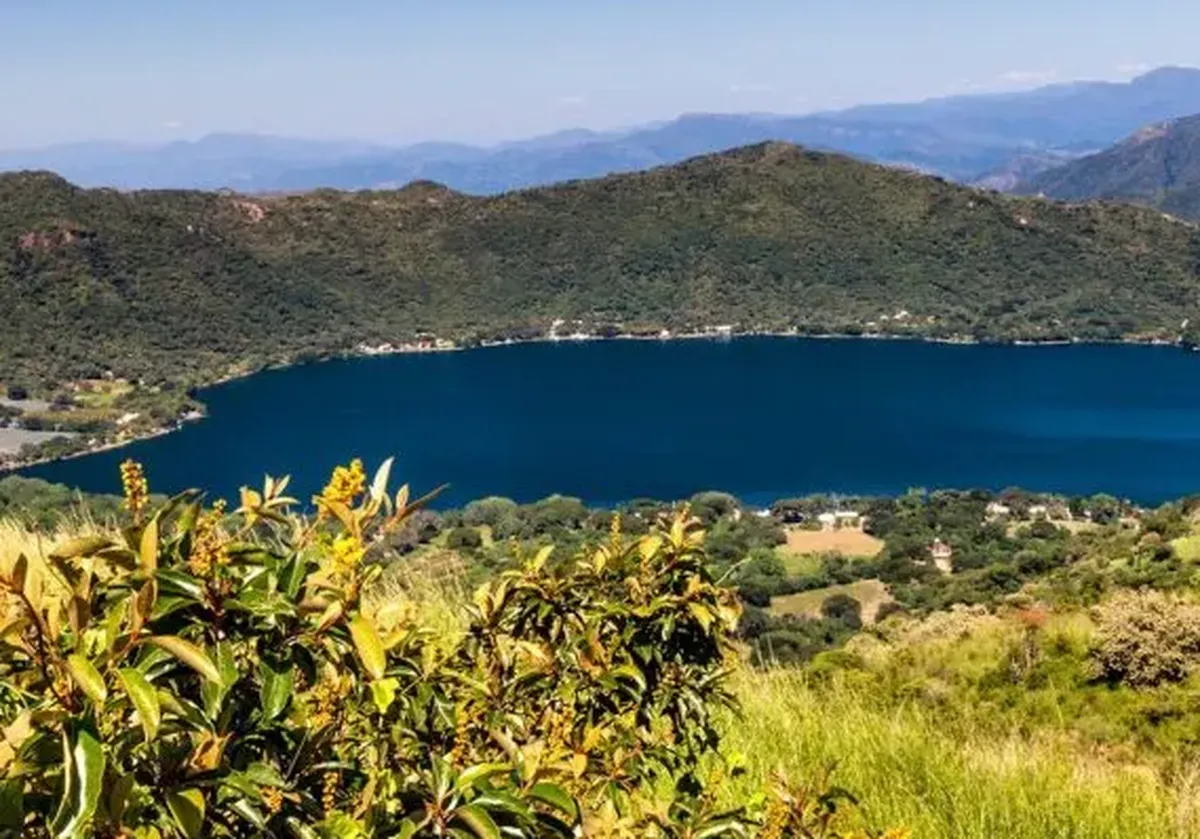
Oaxaca, located in southern Mexico, is one of the country’s most prominent coffee regions. The coffee-growing areas are situated at altitudes between 800 and 1,800 meters above sea level, with some highland zones reaching even higher elevations. The region’s diverse microclimates, volcanic soils, and varied terrain create ideal conditions for cultivating Arabica coffee with complex flavor profiles.
The Pluma Hidalgo variety is a renowned strain of Arabica native to the district of the same name in Oaxaca. It has a long-standing cultural and agricultural significance, dating back over a century. Pluma Hidalgo is celebrated for its unique genetics, which contribute to its distinctive flavor profile. The variety is highly prized for its high density, resilience to pests, and the complex floral, fruity, and citrus notes it imparts to the coffee.
This variety is considered one of the hallmark coffees of Oaxaca, often used in high-quality, single-origin coffees and competitions. Its traditional cultivation, combined with sustainable and artisanal processing, has gained international recognition. The Pluma Hidalgo coffee embodies the rich natural and cultural heritage of the region, making it one of Mexico’s most iconic specialty coffees.
Coffee from Oaxaca has a Denomination of Origin (DO), this is a legal certification that protects coffee originating from specific regions in Oaxaca, Mexico. It guarantees the coffee’s quality, unique flavor, and authentic origin, based on traditional cultivation and processing practices, such as hand-harvesting and natural or washed methods. Only coffee grown and processed within designated zones can use the name "Café de Oaxaca," helping to preserve regional identity, increase market value, and prevent imitation. This certification has boosted Oaxaca’s reputation as a producer of high-quality, distinctive coffee with floral, fruity, and earthy notes, appealing to international markets.
Puebla
Volcanic soils, award-winning coffees with balanced profiles.
Puebla is characterized by its rugged terrain, with many mountainous areas that provide excellent microclimates for coffee growing. The altitude varies from 900 to 1,900 meters. The coffee-growing areas are situated mainly in the Sierra Madre Oriental and other volcanic highlands within Puebla’s territory. The Volcanoes of Puebla, such as Popocatépetl, Iztaccíhuatl, and Atlixco's volcanic peaks, provide fertile soils and microclimates ideal for high-quality coffees.
Puebla’s coffee is increasingly recognized for its balanced acidity, floral and citrus aromas, and full-bodied flavor. While still emerging on the global stage, Puebla’s emphasis on quality, sustainability, and artisanal methods has begun to attract specialty coffee roasters and connoisseurs worldwide.
Puebla has won the first place in a COE: 2017, 2019, 2020 and 2022. In 2020 they achieved the highest scores earning a place among the top lots auctioned globally and in t 2022 the coffee ranked scores above 94 points. These recent results reinforce Puebla’s reputation as an up-and-coming region for high-quality, specialty coffee in Mexico.
San Luis Potosí
Emerging region, floral and citrus, gaining COE recognition.
San Luis Potosí, in central Mexico, has emerging coffee-growing regions situated at altitudes between 900 and 1,500 meters above sea level. San Luis Potosí features a diverse landscape, including mountain ranges, highlands, and volcanic soils which provide an excellent environment for coffee cultivation. The region’s microclimates and soil richness help produce beans with vibrant acidity and complex flavor profiles.
Although not yet a major coffee producer nationally, San Luis Potosí’s coffee industry is growing steadily, especially with the rise of high-quality and specialty coffee. Coffee farming provides vital income to rural communities, with an emphasis on organic, sustainable, and direct-trade practices that aim to fetch better prices in international markets.
San Luis Potosí is gaining recognition within the specialty coffee community for its bright, floral, and fruity profiles, with some lots earning awards and high scores in coffee competitions. In 2019 A farm from San Luis Potosí scored highly in COE and ranked within the top lots, receiving scores above 86 points. The coffee was praised for its bright acidity, floral and citrus notes, and clean, expressive cup profile.
Veracruz
Historic producer, bright acidity, citrus, chocolate, and floral notes.
Veracruz, located along Mexico’s Gulf coast, has numerous coffee-growing zones at altitudes ranging from 800 to 1,700 meters above sea level. Veracruz’s extensive and diverse microclimates influenced by altitude, proximity to the Gulf of Mexico, and mountainous terrain allow for a variety of flavor profiles. Volcanic soils provide essential minerals, enhancing bean quality and complexity. Coastal areas tend to produce coffees with fruity, bright profiles, while highland zones offer more floral and chocolaty notes.
Coffee was introduced to Veracruz in the late 19th century, expanding rapidly due to its favorable geography. The region became Mexico’s largest coffee producer, driven by both small indigenous farmers and large plantations. Veracruz’s coffee history is intertwined with its colonial legacy, with traditional cultivation methods maintaining importance alongside modern practices.
Coffee is one of Veracruz’s most vital agricultural exports, supporting thousands of farmers and local communities. The industry is diverse, including smallholder farmers, cooperatives, and larger plantations. Over the years, there has been a focus on producing high-quality, organic, and sustainable coffees for international markets. The industry helps sustain regional economies and promotes rural development.
Veracruz coffee is internationally recognized for its bright acidity, floral and fruity aromatics, and a balanced body. Its flavor profiles often include hints of citrus, tropical fruits, and chocolate. Veracruz’s coffees frequently win awards in national and international competitions, enhancing its reputation in the specialty coffee world.





Delivering the Exact Coffee You Seek
At Plateau Harvest, we specialize in connecting you directly with Latin America’s finest coffee origins. With years of expertise in sourcing and trading, we provide wholesale distribution built on transparency, quality, and efficient logistics—ensuring every lot meets your business needs.


-1.png)