

About El Salvador
offee was introduced in 1740 with the Typica variety, expanding rapidly through Ahuachapán, Santa Ana, and Sonsonate. By the late 19th century, coffee had surpassed indigo as the country’s main export.In the 20th century, El Salvador became the third-largest producer and fourth-largest exporter of coffee worldwide.
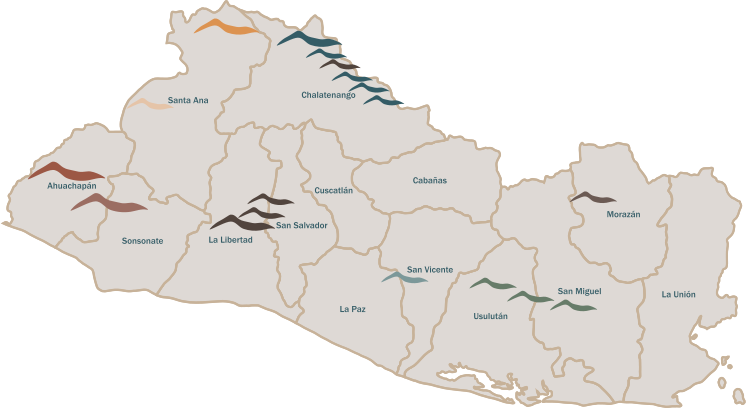

The Apaneca-Ilamatepec Mountain Range is a prominent coffee-growing region located in western El Salvador. The region spans parts of the departments of Ahuachapán, Santa Ana, and Sonsonate. The coffee farms here typically range in altitude from approximately 1,200 to 2,365 meters above sea level. The high elevation, coupled with fertile volcanic soils and varied microclimates, creates ideal conditions for high-quality coffee. The region is defined by the Apaneca-Ilamatepec Mountain Range, which includes Santa Ana volcano (Llamatepec) and several smaller volcanic peaks and hills.
Santa Ana is one of the departments within the larger Apaneca-Ilamatepec coffee-growing region that has won several times in The Cup of Excellence. Some of the highest scores can be from farms located near the Santa Ana volcano. The cup profiles normally have bright citric acidity, floral and sweet honey notes with medium full body.
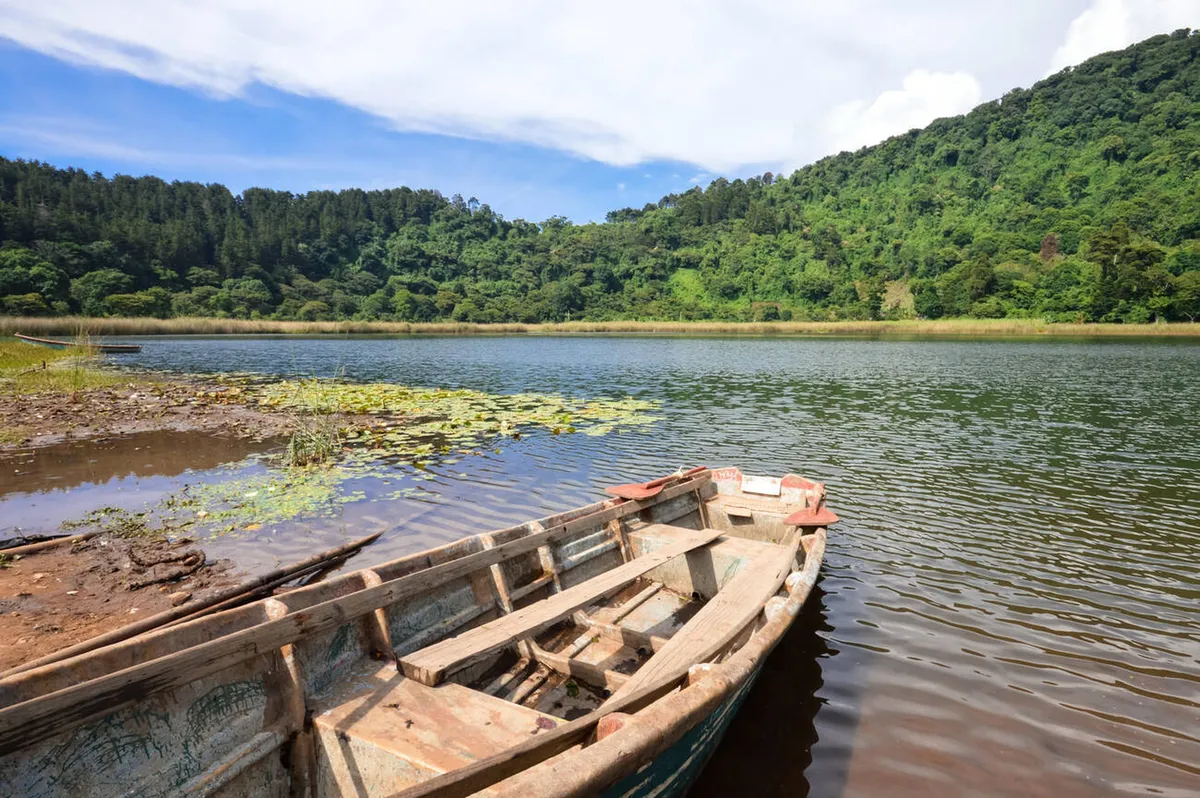

The Bálsamo-Quezaltepec coffee region is located in El Salvador. It spans areas within the departments of La Libertad, San Salvador, and parts of Sonsonate. Its location is among the Cordillera de Bálsamo-Quezaltepec where the prominent Volcán de San Salvador (Quezaltepec). El Boqueron is the crater of the volcano and its the highest peak in El Salvador. Farms around here are found at altitudes generally from 800 to 1,800 meters (2,625 to 5,906 feet) above sea level.
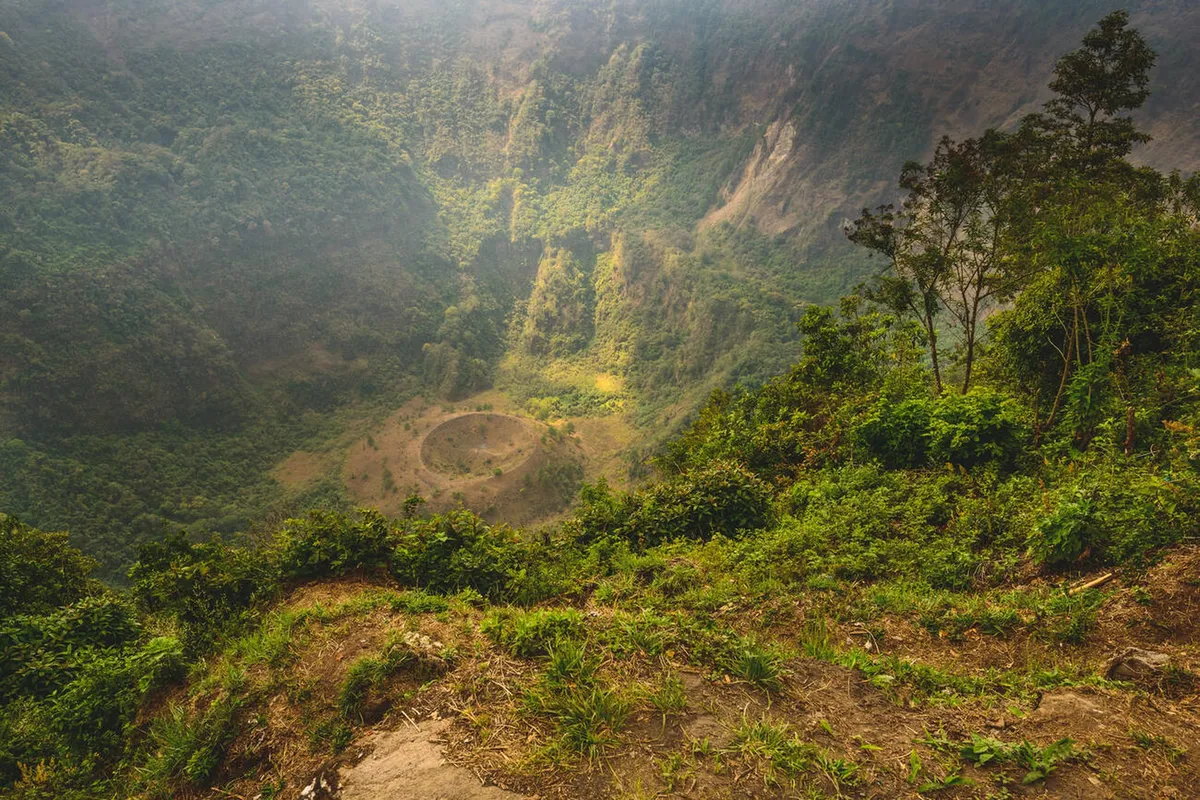

The Cacahuatique coffee region is located in El Salvador, specifically in the central area of the Morazán department, nestled within the Cacahuatique mountain range or hill. The Cacahuatique hill reaches an altitude of 1,663 meters above sea level. The name "Cacahuatique" comes from a Mayan-Quiché language, meaning "Mountain range of cocoa plantations" or "of the cocoa orchards." Although cacao used to be cultivated there, the area is recognized for its extensive coffee farms. Cacahuatique coffee is described as sweet, with medium acidity, medium body, and floral notes, as well as hints of berry flavors.
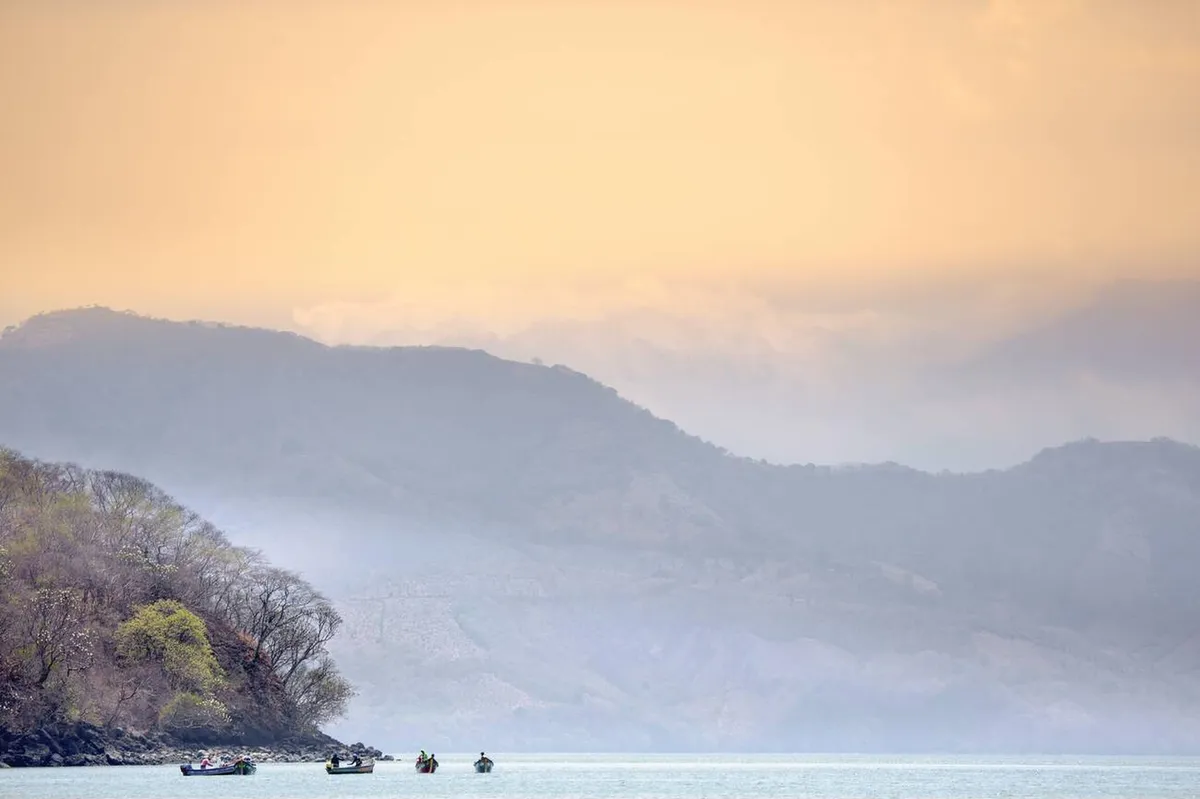

Chinameca coffee region in El Salvador is located in eastern El Salvador, in the department of Usulután, with altitudes varying between 1,300 and 2,000 meters above sea level. Known for its high-quality coffee, produced in a volcanic environment with rich soils and a favorable microclimate. The region benefits from the influence of the Chaparrastique and Berlín volcanoes, as well as the Laguna de Alegría that contribute to favorable conditions for coffee. Most farms are small and family-owned, with sustainable practices.
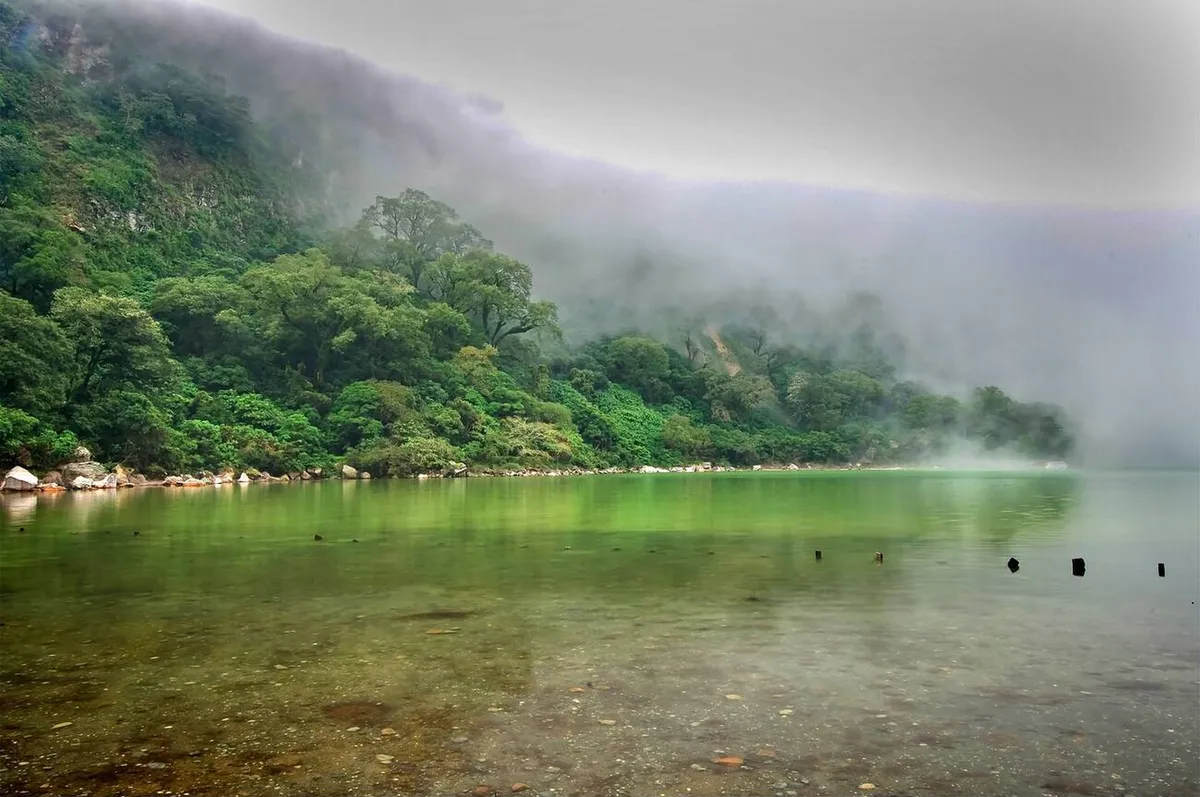

Chichontepec, also known as Volcán San Vicente, is a volcano located in El Salvador, specifically in the central part of the country. Its peak reaches an altitude of approximately 2,181 meters above sea level. While the immediate slopes of the volcano may not be primarily known as a major coffee-growing region compared to others.
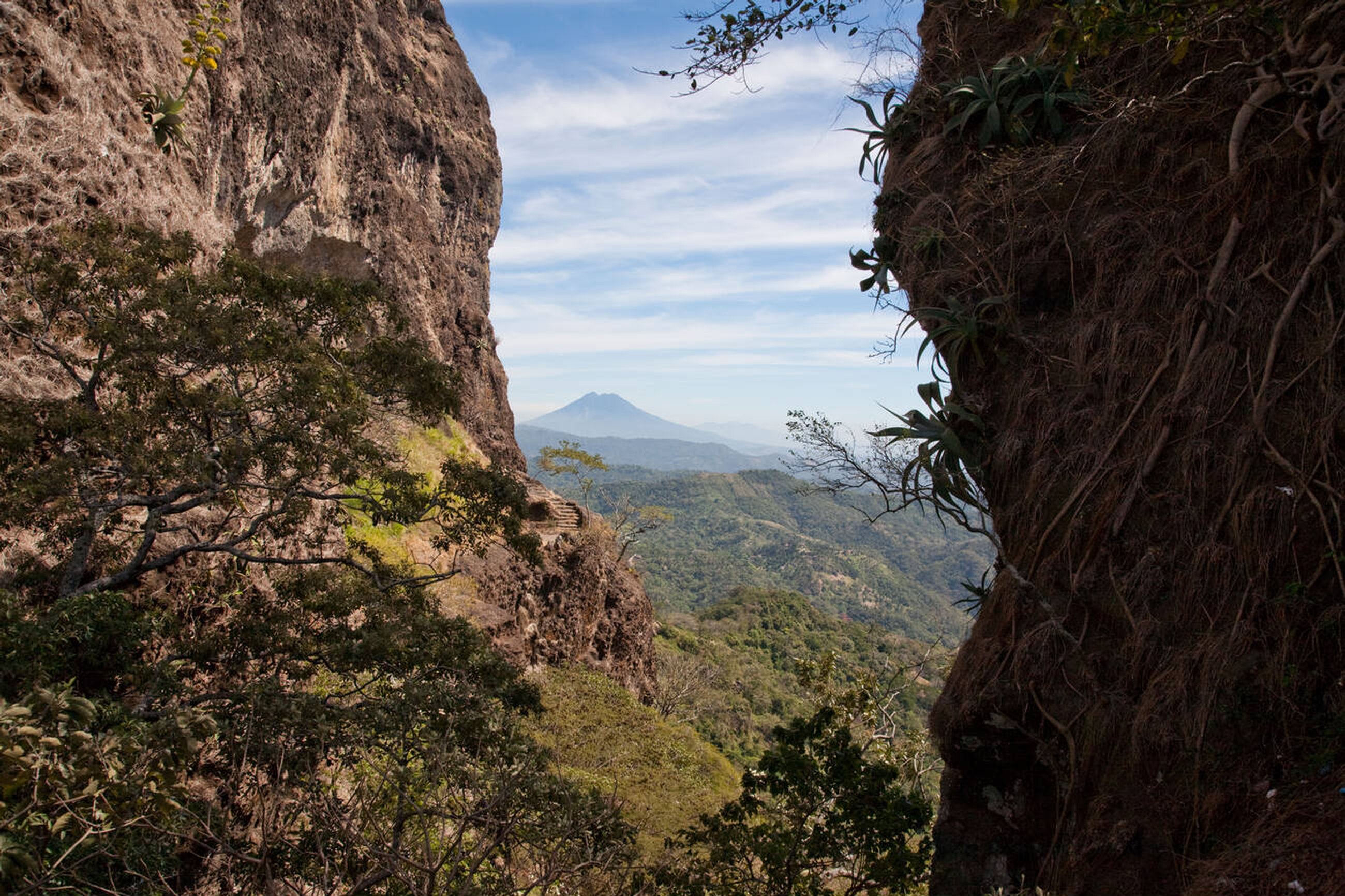

Metapán is a municipality located in the department of Santa Ana, in northwestern El Salvador. The coffee-growing areas within Metapán are situated at altitudes ranging from approximately 800 to 2,000 meters above sea level. It lies within the Alotepec-Metapán mountain range, contributing to great climate and soil for coffee growth.
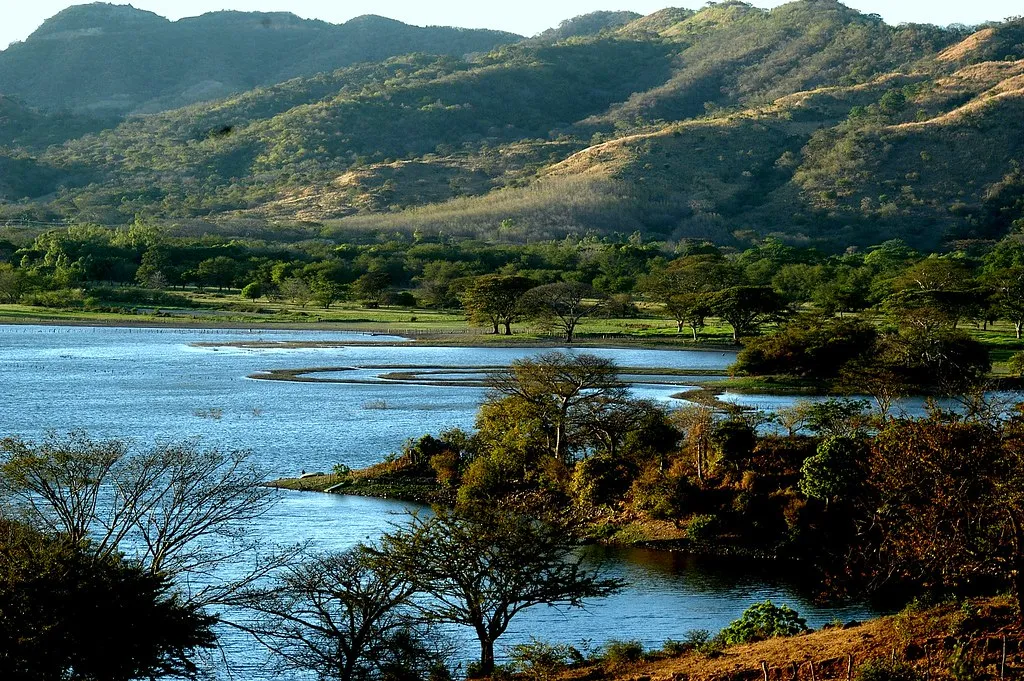

High-quality coffee from small family farms between 1,000 and 2,000 meters is the hallmark of Chalatenango, El Salvador and the Alotepec-Metapán region. Unique climate, microclimates, and fertile soils result in complexity and clarity cup profiles. Many producers in the region are innovative, experimenting with honey and natural processing methods.
About El Salvador
offee was introduced in 1740 with the Typica variety, expanding rapidly through Ahuachapán, Santa Ana, and Sonsonate. By the late 19th century, coffee had surpassed indigo as the country’s main export.In the 20th century, El Salvador became the third-largest producer and fourth-largest exporter of coffee worldwide.

The Apaneca-Ilamatepec Mountain Range is a prominent coffee-growing region located in western El Salvador. The region spans parts of the departments of Ahuachapán, Santa Ana, and Sonsonate. The coffee farms here typically range in altitude from approximately 1,200 to 2,365 meters above sea level. The high elevation, coupled with fertile volcanic soils and varied microclimates, creates ideal conditions for high-quality coffee. The region is defined by the Apaneca-Ilamatepec Mountain Range, which includes Santa Ana volcano (Llamatepec) and several smaller volcanic peaks and hills.
Santa Ana is one of the departments within the larger Apaneca-Ilamatepec coffee-growing region that has won several times in The Cup of Excellence. Some of the highest scores can be from farms located near the Santa Ana volcano. The cup profiles normally have bright citric acidity, floral and sweet honey notes with medium full body.
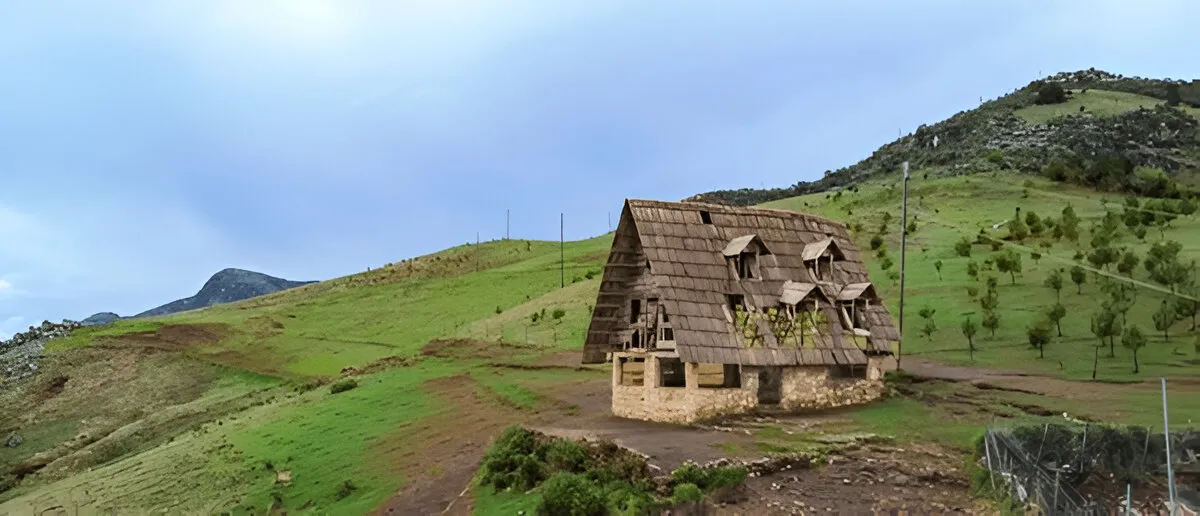
The Bálsamo-Quezaltepec coffee region is located in El Salvador. It spans areas within the departments of La Libertad, San Salvador, and parts of Sonsonate. Its location is among the Cordillera de Bálsamo-Quezaltepec where the prominent Volcán de San Salvador (Quezaltepec). El Boqueron is the crater of the volcano and its the highest peak in El Salvador. Farms around here are found at altitudes generally from 800 to 1,800 meters (2,625 to 5,906 feet) above sea level.
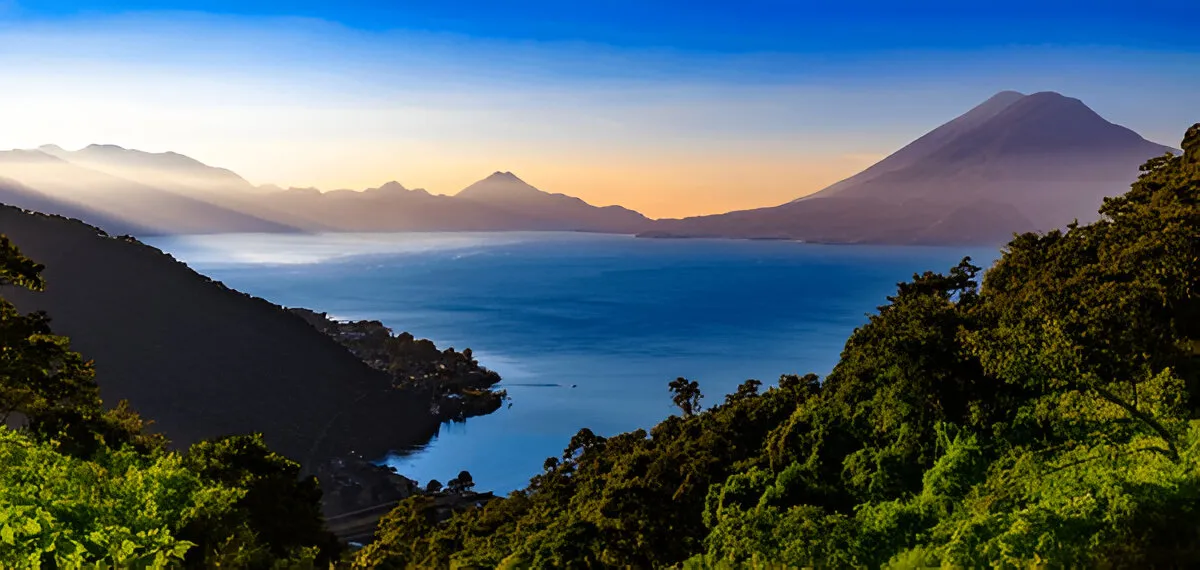
The Cacahuatique coffee region is located in El Salvador, specifically in the central area of the Morazán department, nestled within the Cacahuatique mountain range or hill. The Cacahuatique hill reaches an altitude of 1,663 meters above sea level. The name "Cacahuatique" comes from a Mayan-Quiché language, meaning "Mountain range of cocoa plantations" or "of the cocoa orchards." Although cacao used to be cultivated there, the area is recognized for its extensive coffee farms. Cacahuatique coffee is described as sweet, with medium acidity, medium body, and floral notes, as well as hints of berry flavors.
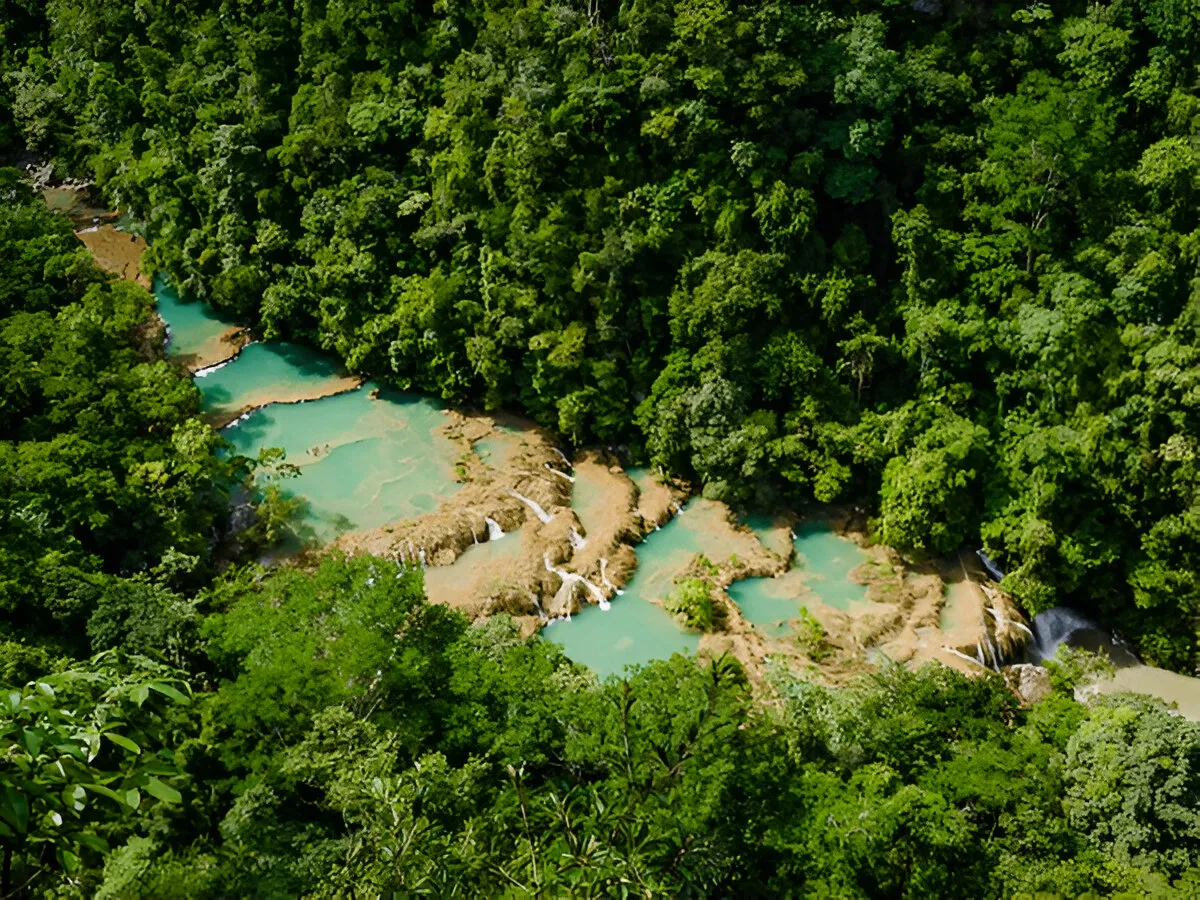
High-quality coffee from small family farms between 1,000 and 2,000 meters is the hallmark of Chalatenango, El Salvador and the Alotepec-Metapán region. Unique climate, microclimates, and fertile soils result in complexity and clarity cup profiles. Many producers in the region are innovative, experimenting with honey and natural processing methods.
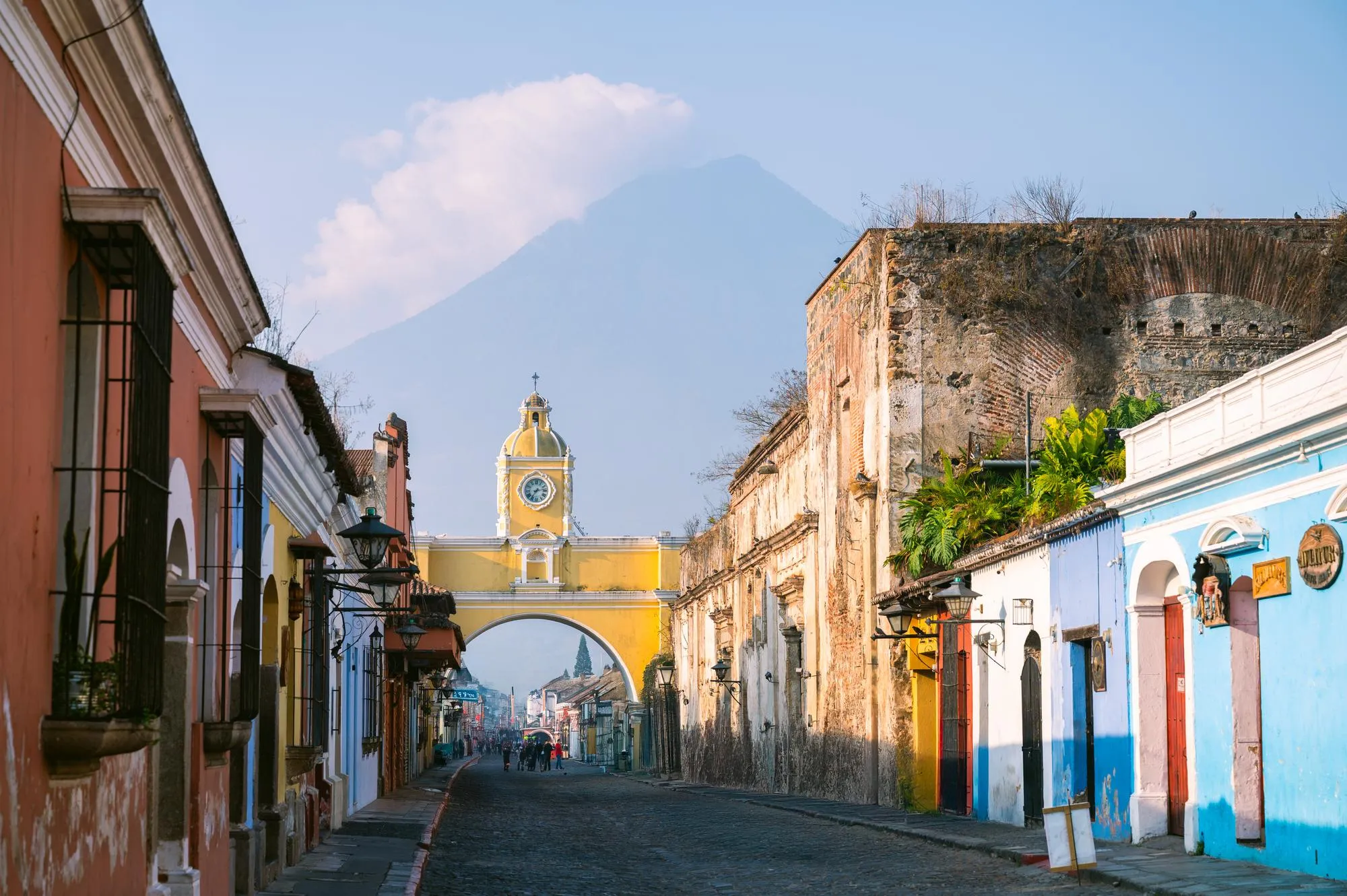
Chichontepec, also known as Volcán San Vicente, is a volcano located in El Salvador, specifically in the central part of the country. Its peak reaches an altitude of approximately 2,181 meters above sea level. While the immediate slopes of the volcano may not be primarily known as a major coffee-growing region compared to others.
Metapán is a municipality located in the department of Santa Ana, in northwestern El Salvador. The coffee-growing areas within Metapán are situated at altitudes ranging from approximately 800 to 2,000 meters above sea level. It lies within the Alotepec-Metapán mountain range, contributing to great climate and soil for coffee growth.
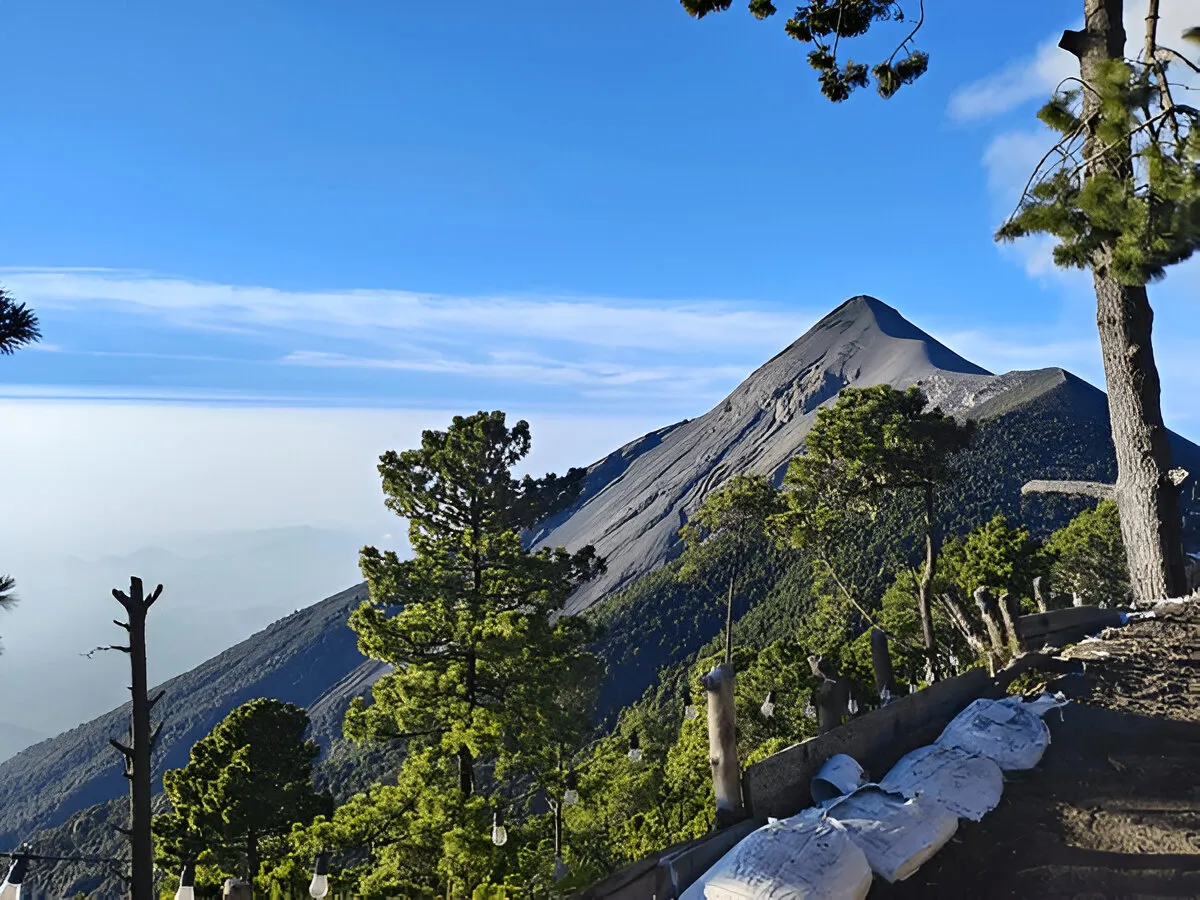
Chinameca coffee region in El Salvador is located in eastern El Salvador, in the department of Usulután, with altitudes varying between 1,300 and 2,000 meters above sea level. Known for its high-quality coffee, produced in a volcanic environment with rich soils and a favorable microclimate. The region benefits from the influence of the Chaparrastique and Berlín volcanoes, as well as the Laguna de Alegría that contribute to favorable conditions for coffee. Most farms are small and family-owned, with sustainable practices.


History
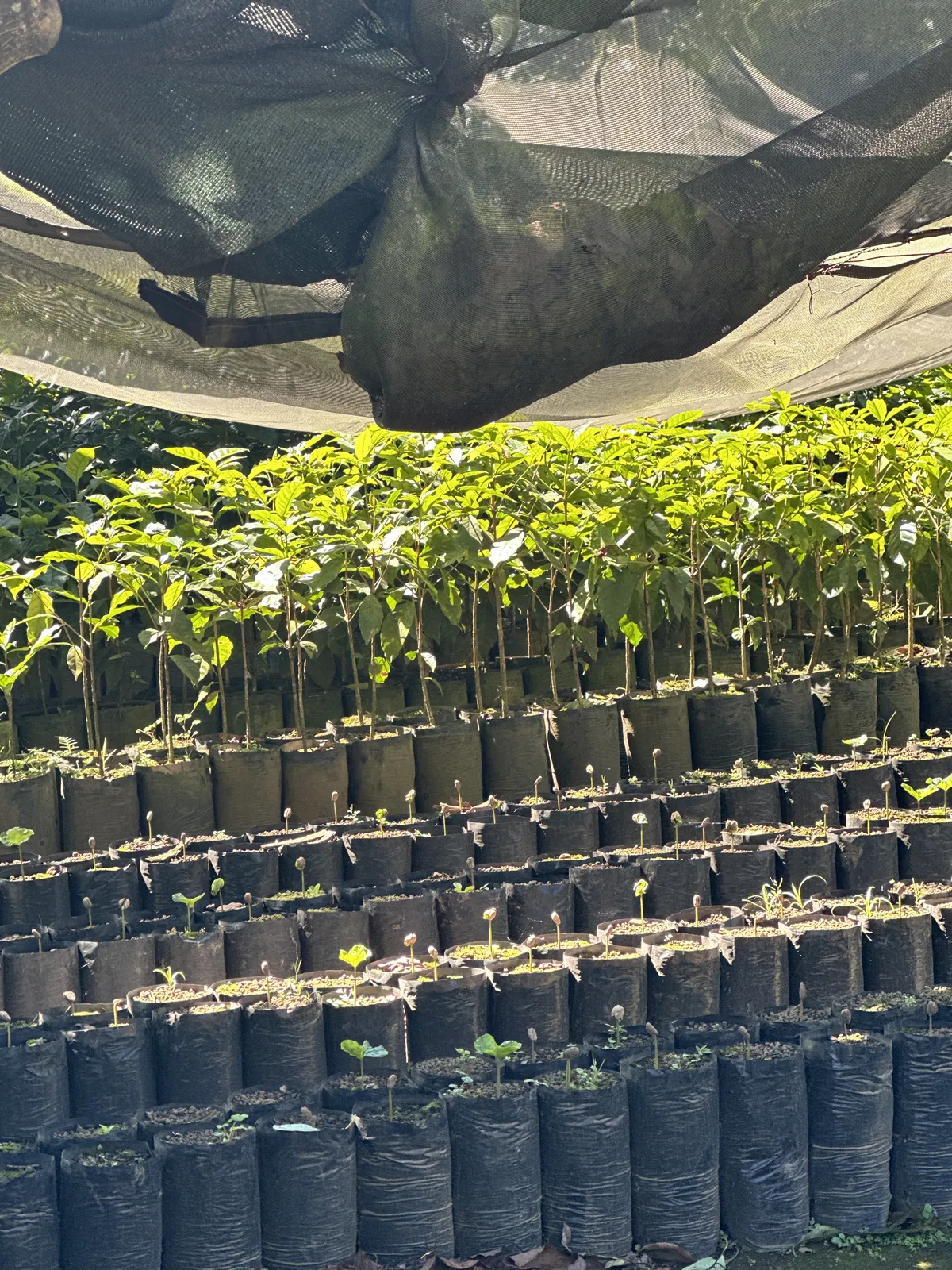
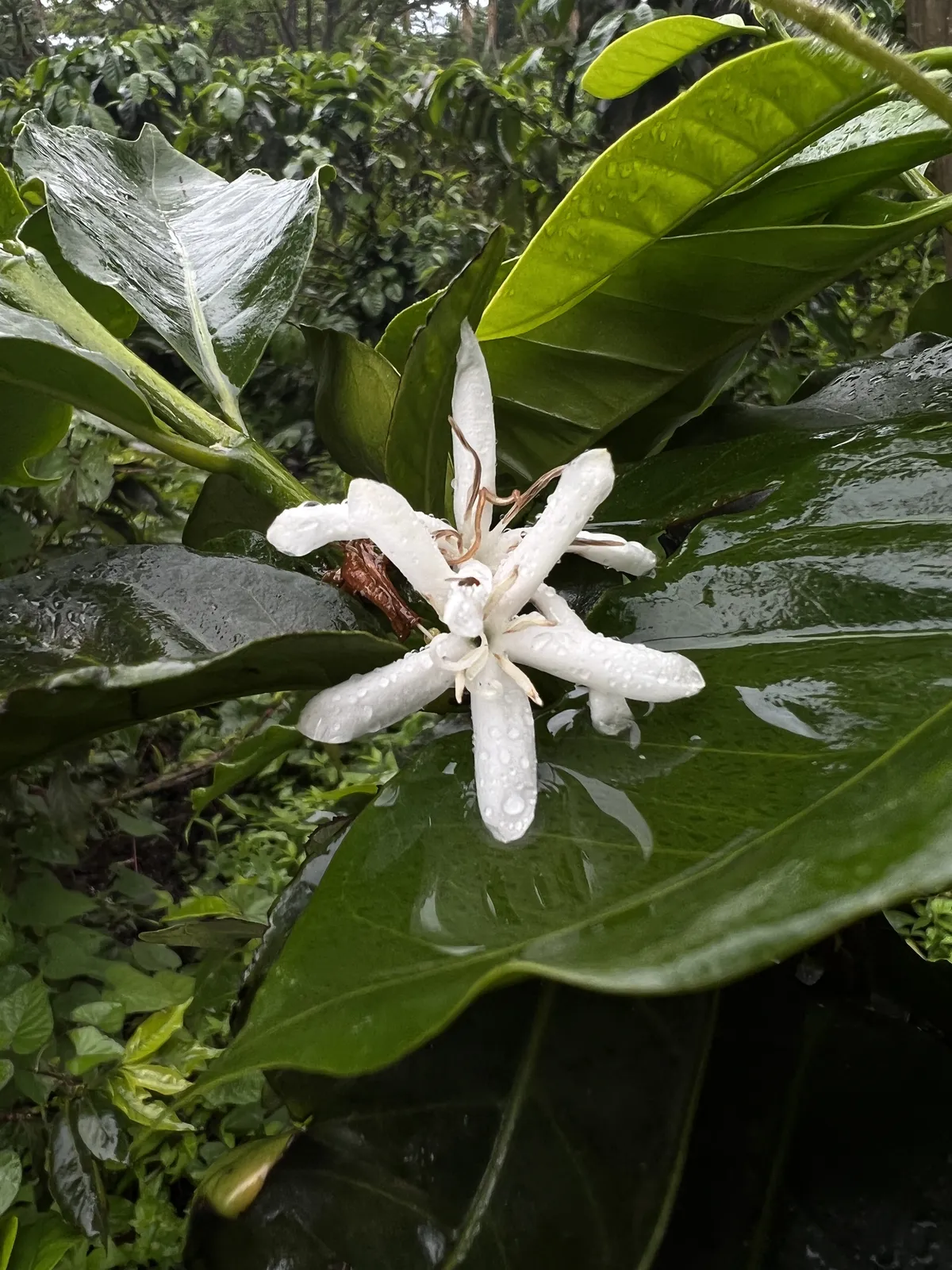
Coffee was introduced in 1740 with the Typica variety, expanding rapidly through Ahuachapán, Santa Ana, and Sonsonate. By the late 19th century, coffee had surpassed indigo as the country’s main export.In the 20th century, El Salvador became the third-largest producer and fourth-largest exporter of coffee worldwide. However, production suffered due to sociopolitical conflict (1980s), the international price crisis (2000s), and coffee rust disease (2013).

Qualities
From High Grown to Strictly High Grown, each classification reflects the country’s tradition of producing balanced coffees with fruity notes and complex profiles.
HG (Screen Size 15+)
The High Grown classification applies to coffees cultivated above 1,200m.a.s.l. It offers balanced flavors with mild acidity, usually scoring 83–84 points.
El Salvador "HG" coffee, often labeled as "Altura HG", significes high-quality beans grown at a medium altitudes, meticulously sorted for defects, and know for their balanced flavor and mild acidity. The "HG" stands for "High Grown", indicating the beans were cultivated above 1200 meters above sea level, typically resulting in more flavorful beans. If we are talking about cup scores an HG coffee will rank between 83-84 points.

SHG (Screen Size 15+)
The Strictly High Grown grade refers to coffees grown above 1,600m.a.s.l. Large, SHG are smaller and denser beans that deliver bright acidity, clean profiles, and balanced sweetness, typically 84–85 points.
SHG stands for "Strictly High Grown," a classification that indicates the coffee was cultivated at high elevations, typically above 1,600 meters. This classification is used in El Salvador to denote beans that consistently meet high-quality standards associated with high-altitude cultivation. SHG beans are dense, small, and well-formed, which generally correlates with better flavor extraction and overall cup quality. If we were talking about cup scores an SHG will rank between 84-85 points.
SHG+ (Screen Size 15+)
The Strictly High Grown Plus category highlights beans from the highest altitudes and refined farm practices, achieving cup scores between 84.5–85.5 points with exceptional clarity and complexity.
Same conditions as an SHb beans are dense, SMALL and well formed, varieties, higher altitudes and farm practices coffee can achieve cup scores from 84.5-85.5.
Regions
From Apaneca-Ilamatepec and Bálsamo-Quezaltepec to Cacahuatique, Chalatenango, Chichontepec, Metapán, and Tecapa-Chinameca, each area brings unique microclimates and flavor profiles.
Apaneca
Highland region with volcanic soils, producing bright coffees with citrus acidity and floral-honey notes.
The Apaneca-Ilamatepec Mountain Range is a prominent coffee-growing region located in western El Salvador. The region spans parts of the departments of Ahuachapán, Santa Ana, and Sonsonate. The coffee farms here typically range in altitude from approximately 1,200 to 2,365 meters above sea level. The high elevation, coupled with fertile volcanic soils and varied microclimates, creates ideal conditions for high-quality coffee. The region is defined by the Apaneca-Ilamatepec Mountain Range, which includes Santa Ana volcano (Llamatepec) and several smaller volcanic peaks and hills.
Santa Ana is one of the departments within the larger Apaneca-Ilamatepec coffee-growing region that has won several times in The Cup of Excellence. Some of the highest scores can be from farms located near the Santa Ana volcano. The cup profiles normally have bright citric acidity, floral and sweet honey notes with medium full body.
El Bálsamo
Volcanic range near San Salvador, yielding smooth coffees with floral and fruity character.
The Bálsamo-Quezaltepec coffee region is located in El Salvador. It spans areas within the departments of La Libertad, San Salvador, and parts of Sonsonate. Its location is among the Cordillera de Bálsamo-Quezaltepec where the prominent Volcán de San Salvador (Quezaltepec). El Boqueron is the crater of the volcano and its the highest peak in El Salvador. Farms around here are found at altitudes generally from 800 to 1,800 meters above sea level.
Cacahuatique
Mountainous Morazán region producing sweet coffees with floral and berry hints.
The Cacahuatique coffee region is located in El Salvador, specifically in the central area of the Morazán department, nestled within the Cacahuatique mountain range or hill. The Cacahuatique hill reaches an altitude of 1,663 meters above sea level. The name "Cacahuatique" comes from a Mayan-Quiché language, meaning "Mountain range of cocoa plantations" or "of the cocoa orchards." Although cacao used to be cultivated there, the area is recognized for its extensive coffee farms. Cacahuatique coffee is described as sweet, with medium acidity, medium body, and floral notes, as well as hints of berry flavors.
Chalatenango
Smallholder farms at high altitudes, offering complex cups with honey, floral, and citrus notes.
High-quality coffee from small family farms between 1,000 and 2,000 meters is the hallmark of Chalatenango, El Salvador and the Alotepec-Metapán region. Unique climate, microclimates, and fertile soils result in complexity and clarity cup profiles. Many producers in the region are innovative, experimenting with honey and natural processing methods.
Chichontepec
Coffees from volcanic slopes, with clean profiles and balanced acidity.
Chichontepec, also known as Volcán San Vicente, is a volcano located in El Salvador, specifically in the central part of the country. Its peak reaches an altitude of approximately 2,181 meters above sea level. While the immediate slopes of the volcano may not be primarily known as a major coffee-growing region compared to others.
Metapán
Highland region with fertile soils, producing bright coffees with fruit and floral tones.
Metapán is a municipality located in the department of Santa Ana, in northwestern El Salvador. The coffee-growing areas within Metapán are situated at altitudes ranging from approximately 800 to 2,000 meters above sea level. It lies within the Alotepec-Metapán mountain range, contributing to great climate and soil for coffee growth.
Tecapa
Volcanic terroir delivering nuanced citrus, floral, and sweet profiles.
The Tecapa-Chinameca coffee region in El Salvador is located in eastern El Salvador, in the department of Usulután, with altitudes varying between 1,300 and 2,000 meters above sea level. Known for its high-quality coffee, produced in a volcanic environment with rich soils and a favorable microclimate. The region benefits from the influence of the Chaparrastique and Berlín volcanoes, as well as the Laguna de Alegría that contribute to favorable conditions for coffee. Most farms are small and family-owned, with sustainable practices.

Discover the Unique Flavors of El Salvador’ Microlots and Certified Coffees
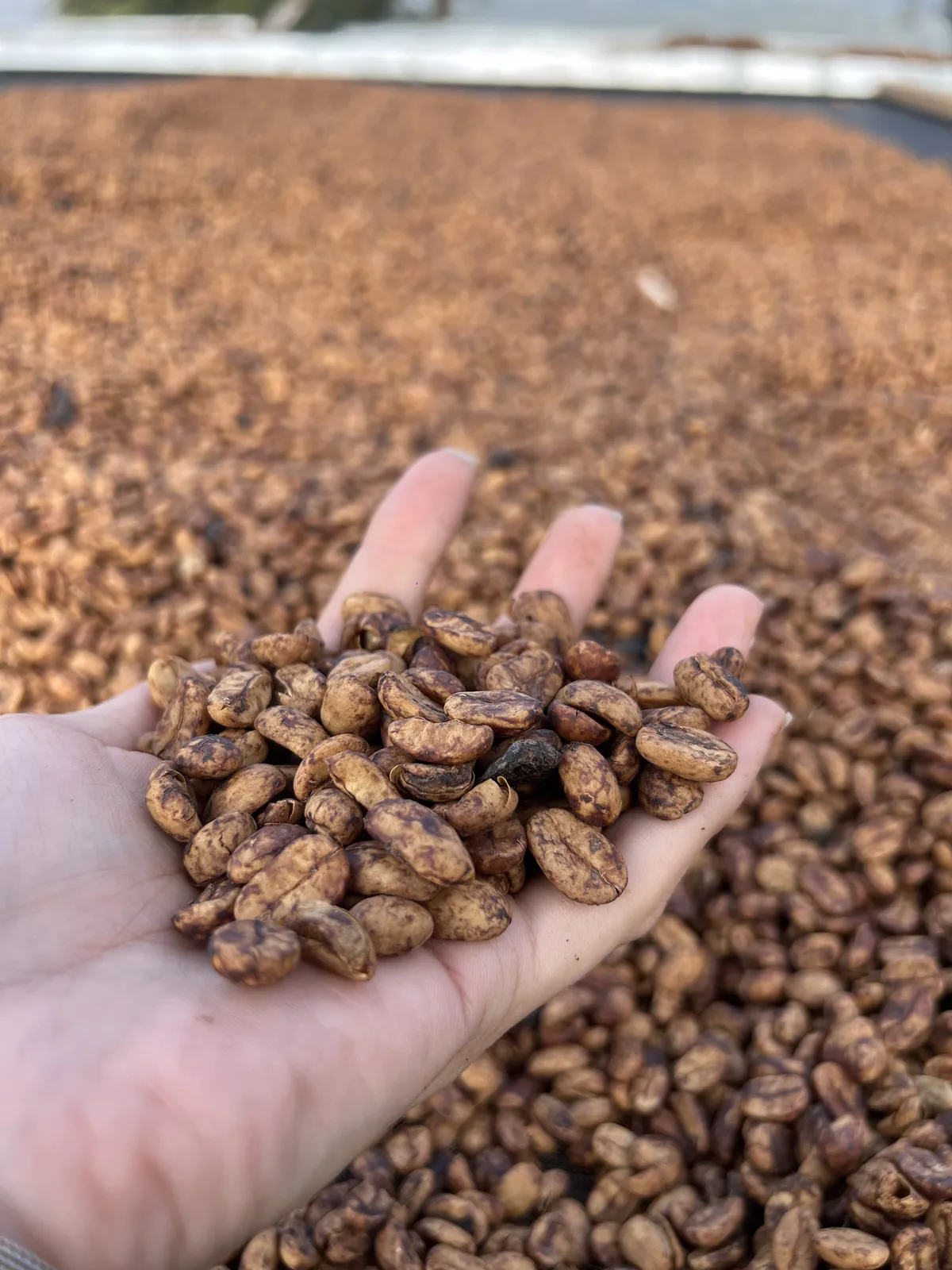
The microlots are available depending on the time of the year and harvest period, we can find a variety of different microlots in all the different processing methods: honey, natural, anaerobic, and washed.



Delivering the Exact Coffee You Seek
At Plateau Harvest, we specialize in connecting you directly with Latin America’s finest coffee origins. With years of expertise in sourcing and trading, we provide wholesale distribution built on transparency, quality, and efficient logistics—ensuring every lot meets your business needs.


-1.png)