

About Dominican Republic
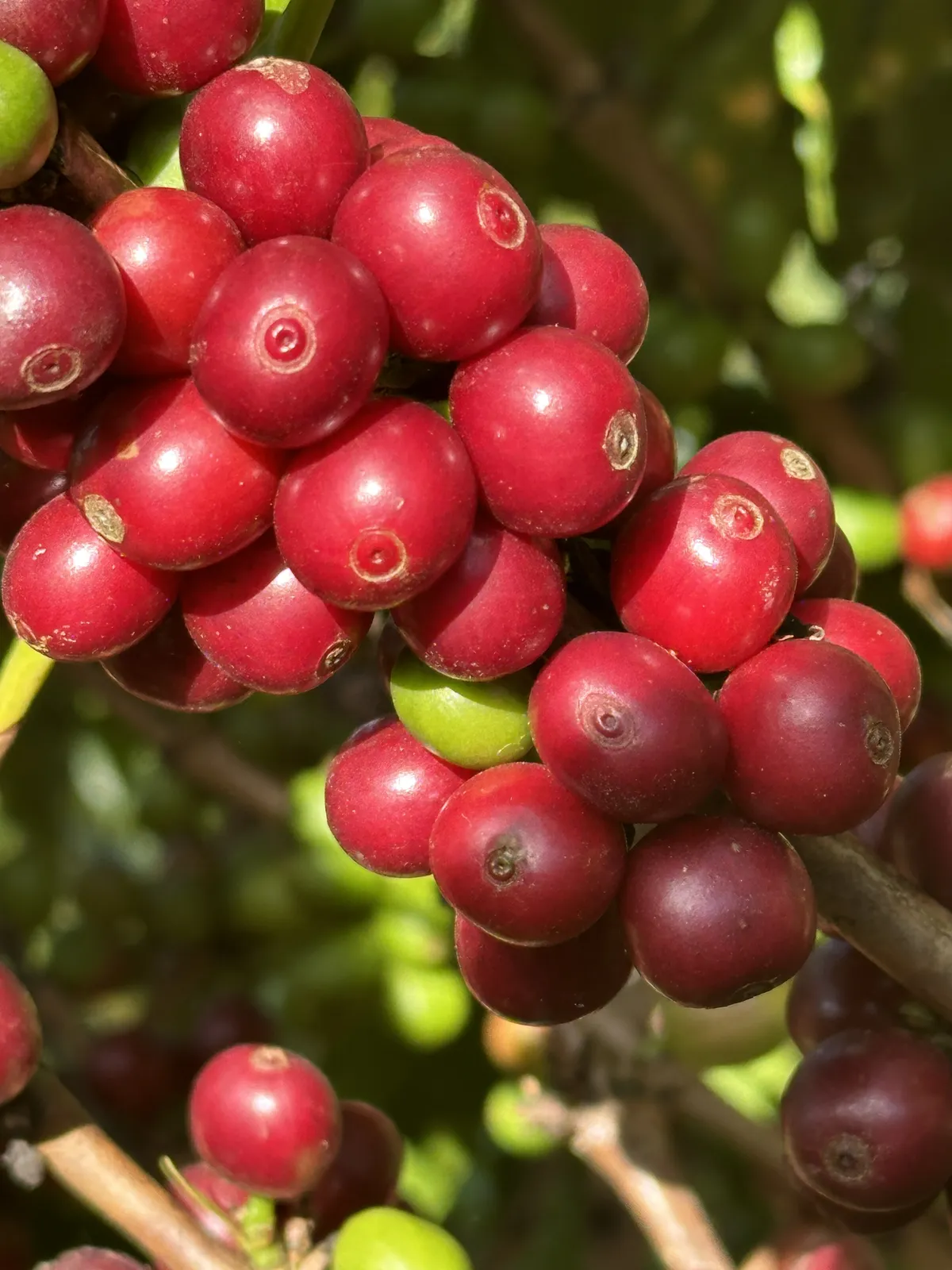
Coffee in the Dominican Republic is cultivated mainly in the central and northern mountain ranges, between 600m.a.s.l and 1,600m.a.s.l. The country produces exclusively Arabica, offering smooth cups with medium body, mild acidity, and sweet, chocolaty notes. Its smallholder farms emphasize traditional practices and community-based production.
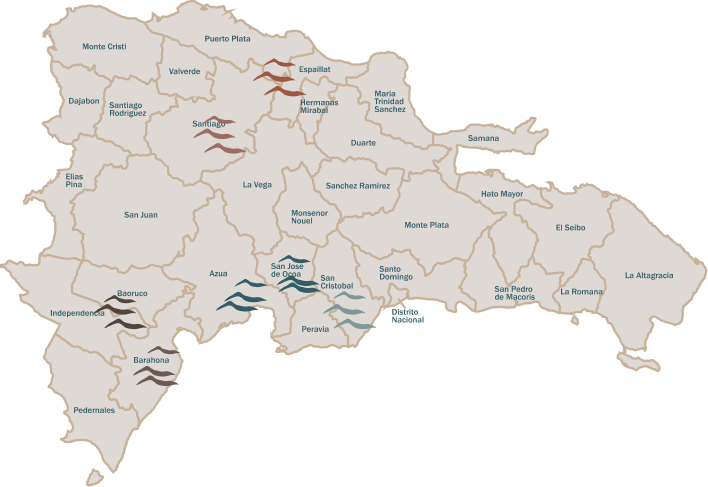

In this region, key towns include San José de Ocoa, Azua de Compostela, and surrounding villages. The cultivation is concentrated in the mountainous zones and valleys of both provinces, with farms situated between approximately 600 and 1,200 meters above sea level. The terrain includes rugged hills, steep slopes, and fertile valleys. The climate features a humid, temperate environment with a rainy season. The mountainous landscape, part of the Central Cordillera, influences local weather patterns and fosters diverse microclimates. The terrain also presents a challenge for transportation but supports sustainable practices such as shade-grown cultivation.
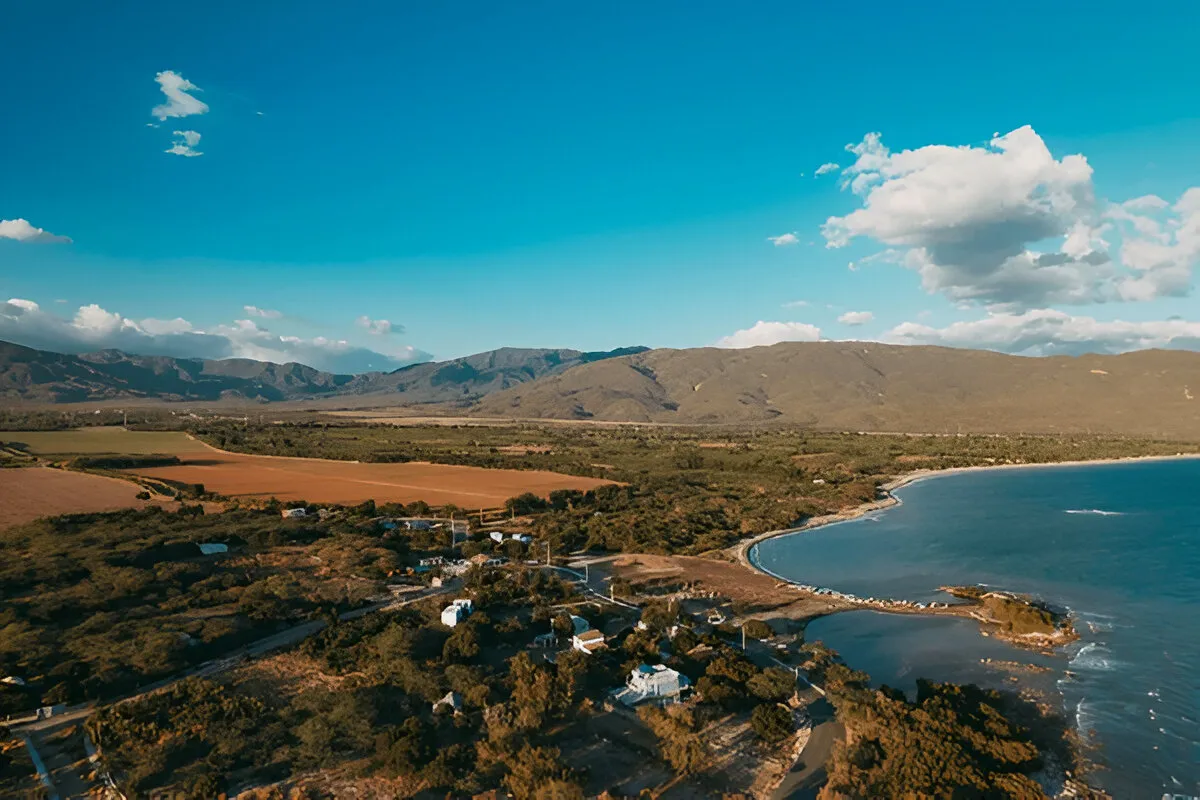

Barahona, located in the southwestern part of the Dominican Republic. The main coffee growing areas are José Ramón, Cabral, and Santa Cruz de Barahona. Coffee cultivation mainly occurs in the mountainous and hilly areas along the region’s rugged terrain, with farms spread across various microclimates. These farms typically operate at elevations of approximately 600 to 900 meters above sea level, though some higher-altitude zones reach up to 1,200 meters.
The region’s geography is defined by rugged mountains that are part of the Atlantic Coastal mountain range, with volcanic origins contributing to the fertile, mineral-rich soils. Although no active volcanoes are present, the land’s volcanic history has left a legacy of fertile soils conducive to rich flavor development. The climate is humid and subtropical, with temperatures generally cooler at higher elevations, and a seasonal pattern of rainfall that supports consistent growth and harvests nearly year-round.
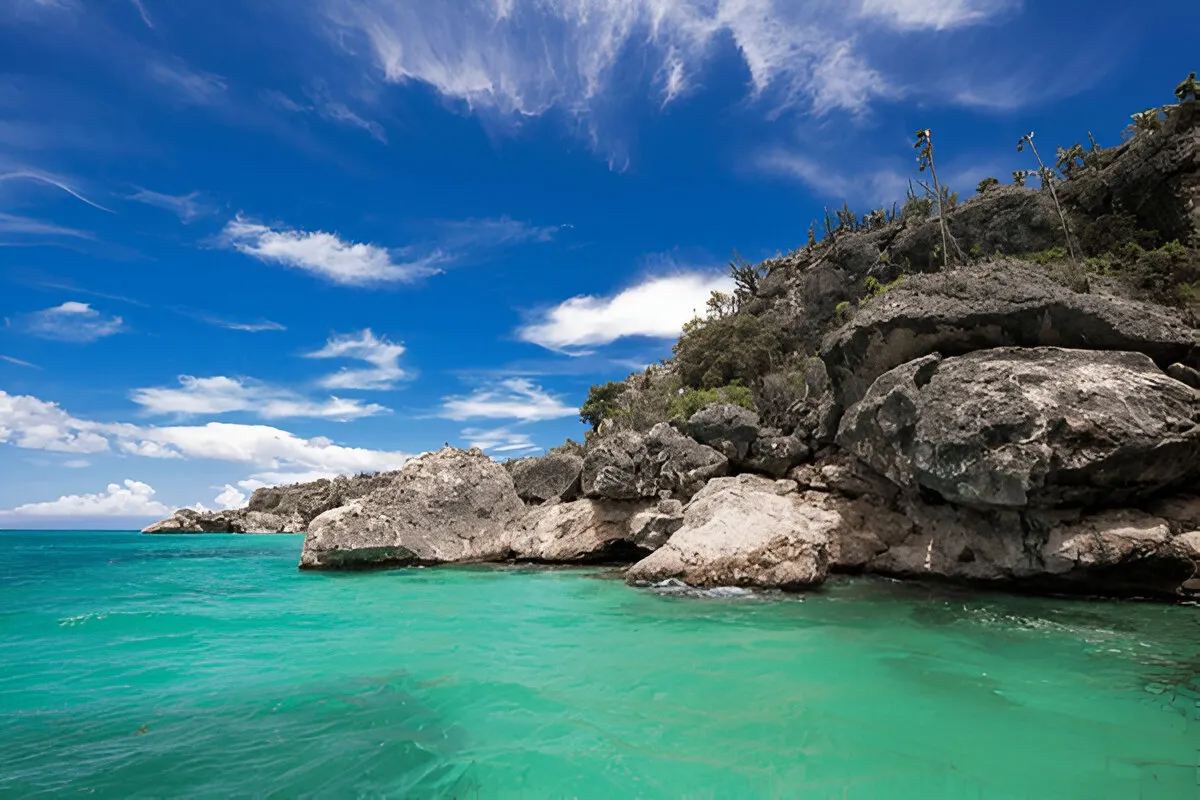

The Cibao region, located in the northern part of the Dominican Republic, is historically one of the most important coffee-producing areas in the country. Key towns and municipalities within the Cibao region include Santiago de los Caballeros, Navarrete, Jánico, Juncalito, and Tocuyo. Coffee cultivation is mainly concentrated on the mountainous slopes, highlands, and fertile valleys spread across these localities. Altitudes in the region typically range from 800 to 1,200 meters above sea level.
The region represents a seamless integration of rich tradition, high-altitude microclimates, and sustainable farming practices. Its mineral-rich volcanic soils and rugged landscape facilitate the production of premium Arabica beans with intricate and diverse flavor profiles. By maintaining a strong commitment to quality, environmental conservation, and community engagement, Cibao is establishing itself as one of the Dominican Republic’s leading coffee regions, with significant potential for further expansion and recognition in global markets.
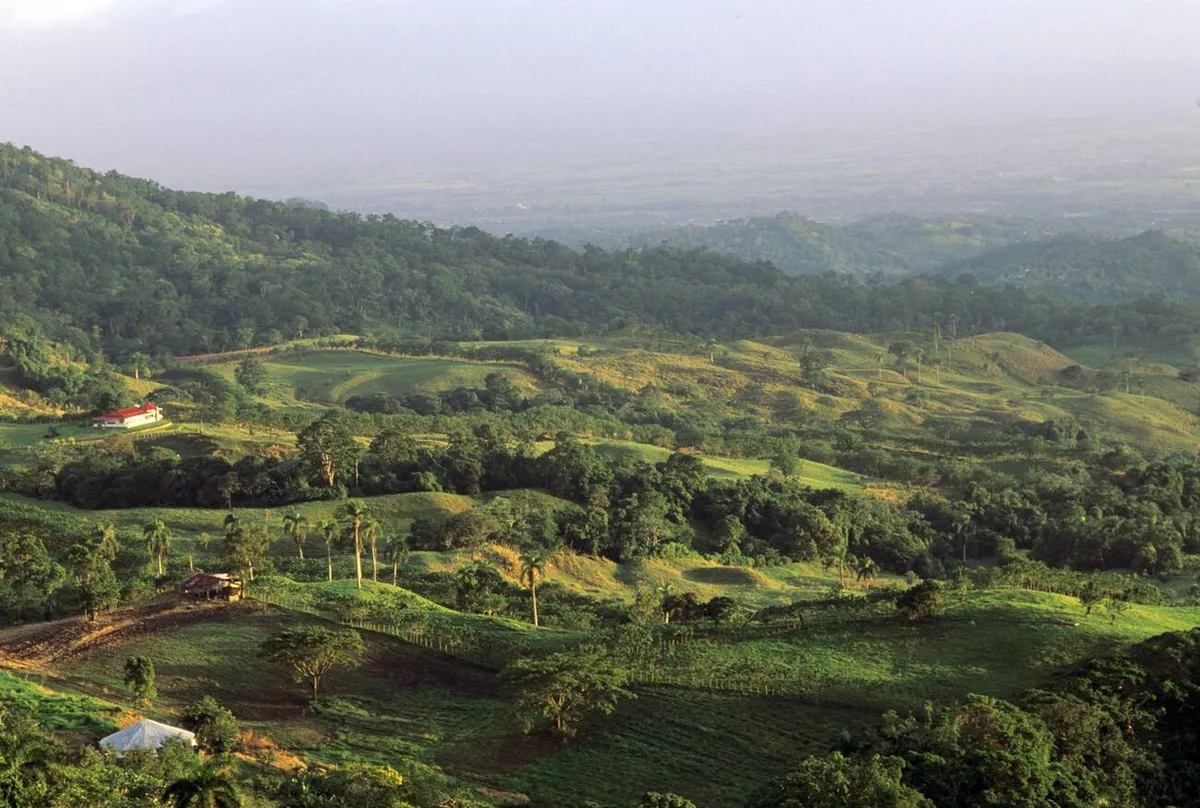

Juncalito, located in the northern part of the Dominican Republic. The main localities involved in coffee cultivation include Juncalito itself and nearby small villages scattered along the mountainous slopes of the region. The farms are situated in high-altitude zones, generally between 800 and 1,200 meters above sea level, within a landscape characterized by steep hills, lush forests, and fertile valleys.
Currently, the economy of Juncalito is centered around small-scale farmers and cooperatives dedicated to producing high-quality, sustainable coffee. The region prioritizes artisanal, organic, and shade-grown cultivation methods to meet the global demand for traceable and ethically sourced coffee. Although its total export volume remains relatively modest compared to larger regions, the exceptional quality of its micro-lots has attracted premium buyers in North America and Europe, supporting local economic growth and enhancing rural livelihoods.
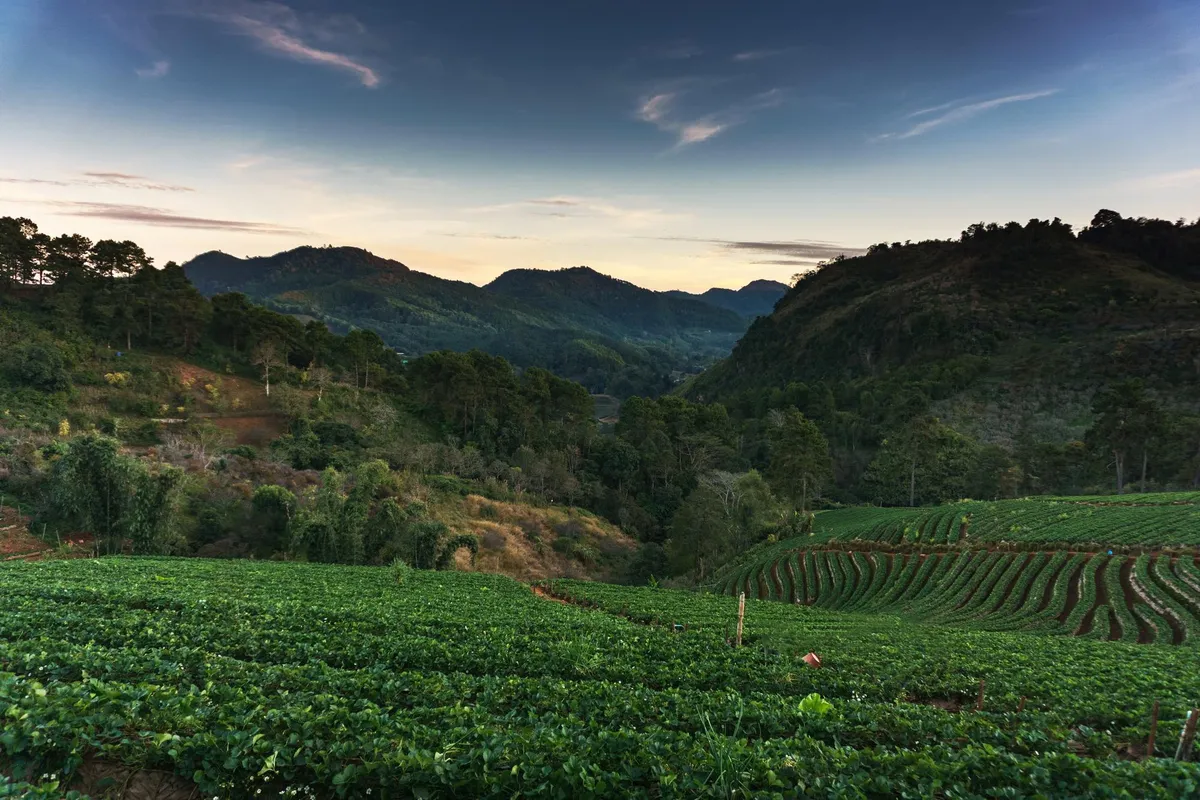

The Neiba region, situated in the southwestern part of the Dominican Republic. The primary towns where coffee is cultivated include Neiba, Los Ríos, El Cercado, and surrounding rural communities. Coffee farms are mainly located on the mountainous slopes and fertile valleys within these municipalities. Elevations typically range from 700 to 1,200 meters above sea level.
The mountainous terrain of Neiba is part of the volcanic island system, with soils enriched by ancient volcanic activity. While no active volcanoes are present today, the volcanic legacy is evident in the mineral-rich soils that contribute to the distinct flavor profiles of its coffee.

The Valdesia region, situated in the southern part of the Dominican Republic. Key localities within the region include San Gregorio de Nigua, San José de Ocoa, Bajos de Haina, and surrounding rural communities. Coffee is cultivated primarily on the mountainous slopes, terraces, and fertile valleys of the area. The farms are typically located at altitudes ranging from 600 to 1,200 meters above sea level.
Valdesia has historically been the main coffee-producing area in the Dominican Republic, with the Industrias Banilejas (INDUBAN) firm founded in 1945, making it a major industry in the country. It also played a key role in the rise of organized cooperatives among local farmers.
Valdesia was instrumental in fostering the development of independent coffee cooperatives during the 1960s, which have been vital for local economic growth and rural development.
About Dominican Republic
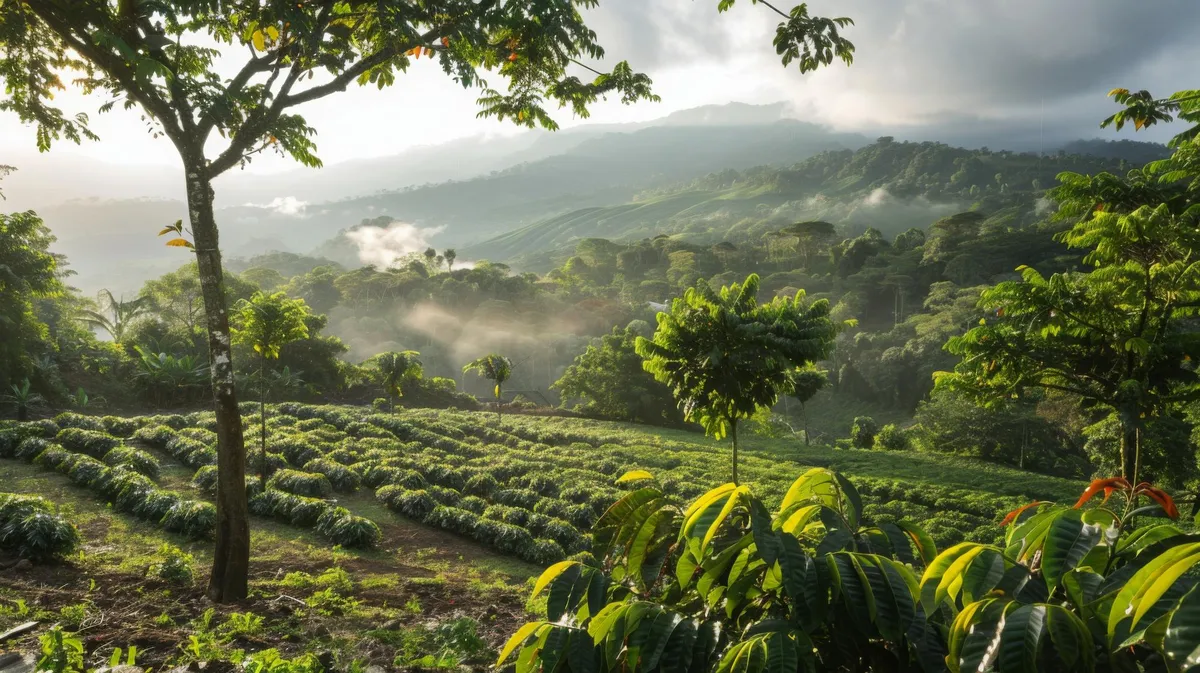
Coffee in the Dominican Republic is cultivated mainly in the central and northern mountain ranges, between 600m and 1,600m. The country produces exclusively Arabica, offering smooth cups with medium body, mild acidity, and sweet, chocolaty notes. Its smallholder farms emphasize traditional practices and community-based production.
In this region, key towns include San José de Ocoa, Azua de Compostela, and surrounding villages. The cultivation is concentrated in the mountainous zones and valleys of both provinces, with farms situated between approximately 600 and 1,200 meters above sea level. The terrain includes rugged hills, steep slopes, and fertile valleys. The climate features a humid, temperate environment with a rainy season. The mountainous landscape, part of the Central Cordillera, influences local weather patterns and fosters diverse microclimates. The terrain also presents a challenge for transportation but supports sustainable practices such as shade-grown cultivation.
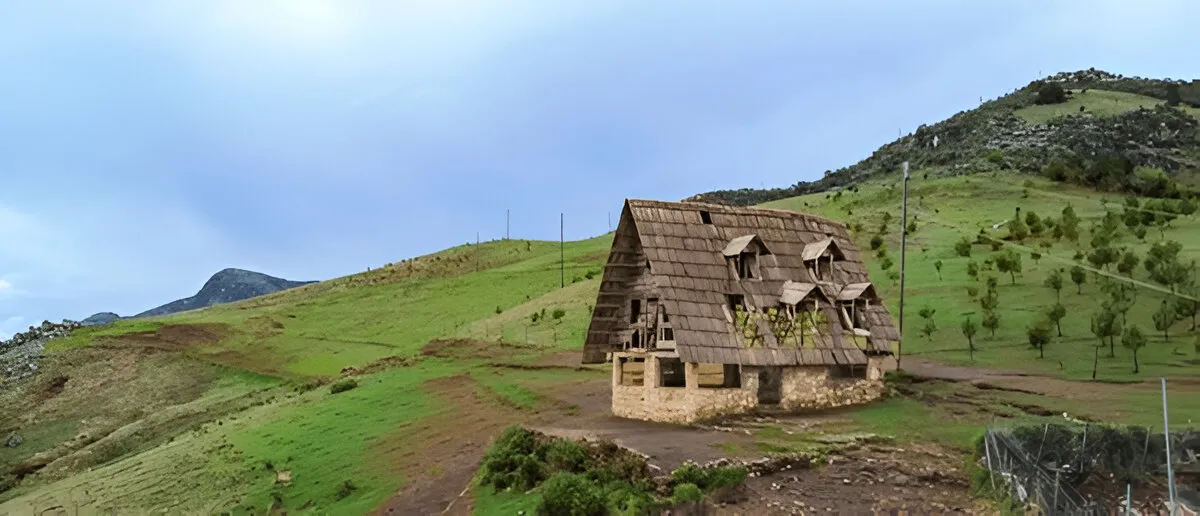
Barahona, located in the southwestern part of the Dominican Republic. The main coffee growing areas are José Ramón, Cabral, and Santa Cruz de Barahona. Coffee cultivation mainly occurs in the mountainous and hilly areas along the region’s rugged terrain, with farms spread across various microclimates. These farms typically operate at elevations of approximately 600 to 900 meters above sea level, though some higher-altitude zones reach up to 1,200 meters.
The region’s geography is defined by rugged mountains that are part of the Atlantic Coastal mountain range, with volcanic origins contributing to the fertile, mineral-rich soils. Although no active volcanoes are present, the land’s volcanic history has left a legacy of fertile soils conducive to rich flavor development. The climate is humid and subtropical, with temperatures generally cooler at higher elevations, and a seasonal pattern of rainfall that supports consistent growth and harvests nearly year-round.
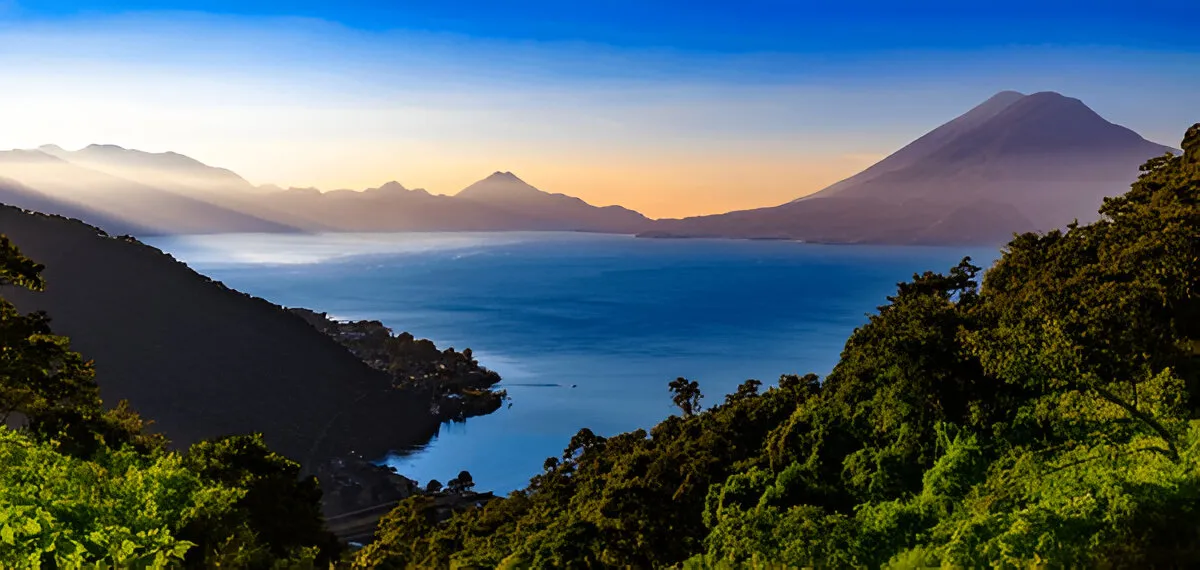
The Cibao region, located in the northern part of the Dominican Republic, is historically one of the most important coffee-producing areas in the country. Key towns and municipalities within the Cibao region include Santiago de los Caballeros, Navarrete, Jánico, Juncalito, and Tocuyo. Coffee cultivation is mainly concentrated on the mountainous slopes, highlands, and fertile valleys spread across these localities. Altitudes in the region typically range from 800 to 1,200 meters above sea level.
The region represents a seamless integration of rich tradition, high-altitude microclimates, and sustainable farming practices. Its mineral-rich volcanic soils and rugged landscape facilitate the production of premium Arabica beans with intricate and diverse flavor profiles. By maintaining a strong commitment to quality, environmental conservation, and community engagement, Cibao is establishing itself as one of the Dominican Republic’s leading coffee regions, with significant potential for further expansion and recognition in global markets.
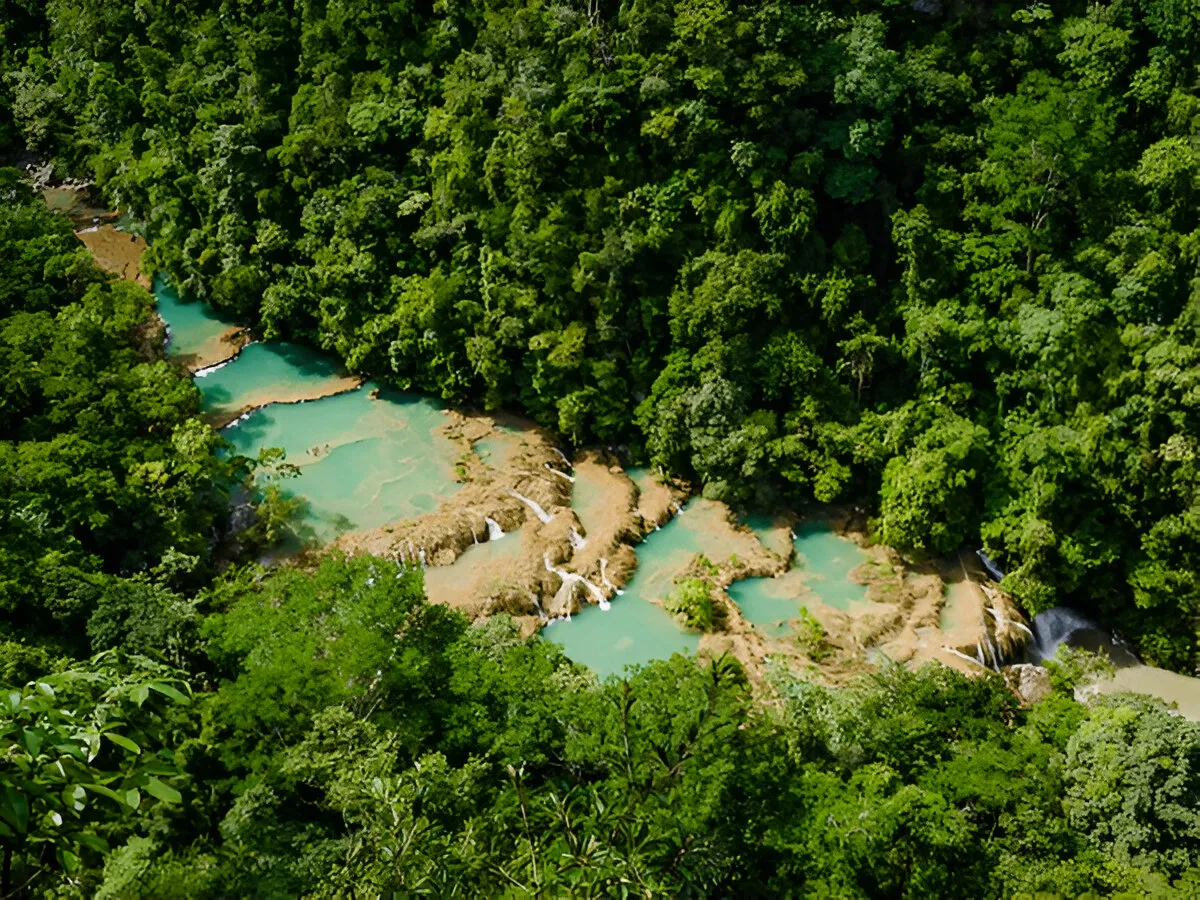
Juncalito, located in the northern part of the Dominican Republic. The main localities involved in coffee cultivation include Juncalito itself and nearby small villages scattered along the mountainous slopes of the region. The farms are situated in high-altitude zones, generally between 800 and 1,200 meters above sea level, within a landscape characterized by steep hills, lush forests, and fertile valleys.
Currently, the economy of Juncalito is centered around small-scale farmers and cooperatives dedicated to producing high-quality, sustainable coffee. The region prioritizes artisanal, organic, and shade-grown cultivation methods to meet the global demand for traceable and ethically sourced coffee. Although its total export volume remains relatively modest compared to larger regions, the exceptional quality of its micro-lots has attracted premium buyers in North America and Europe, supporting local economic growth and enhancing rural livelihoods.
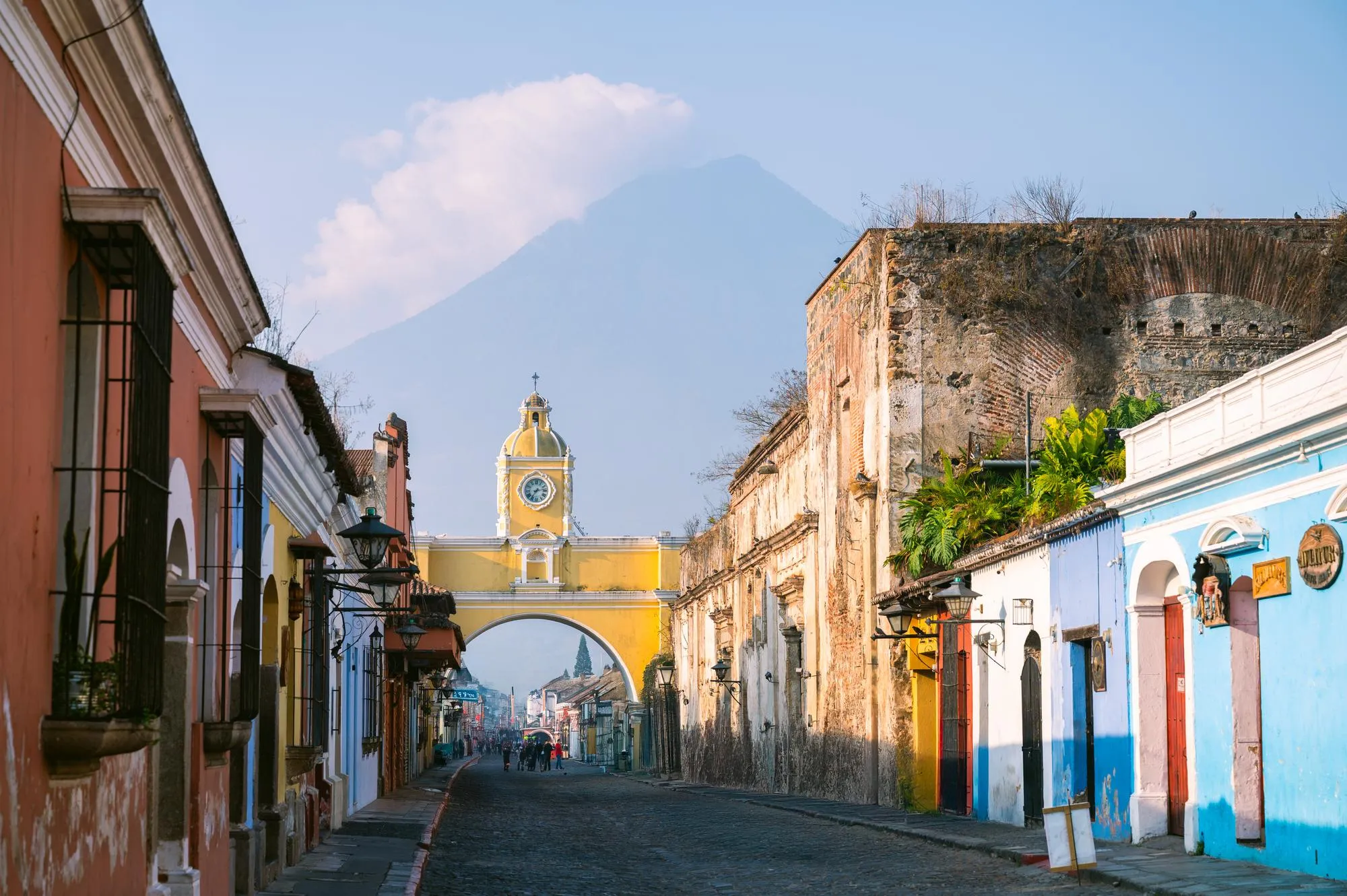
The Neiba region, situated in the southwestern part of the Dominican Republic. The primary towns where coffee is cultivated include Neiba, Los Ríos, El Cercado, and surrounding rural communities. Coffee farms are mainly located on the mountainous slopes and fertile valleys within these municipalities. Elevations typically range from 700 to 1,200 meters above sea level.
The mountainous terrain of Neiba is part of the volcanic island system, with soils enriched by ancient volcanic activity. While no active volcanoes are present today, the volcanic legacy is evident in the mineral-rich soils that contribute to the distinct flavor profiles of its coffee.
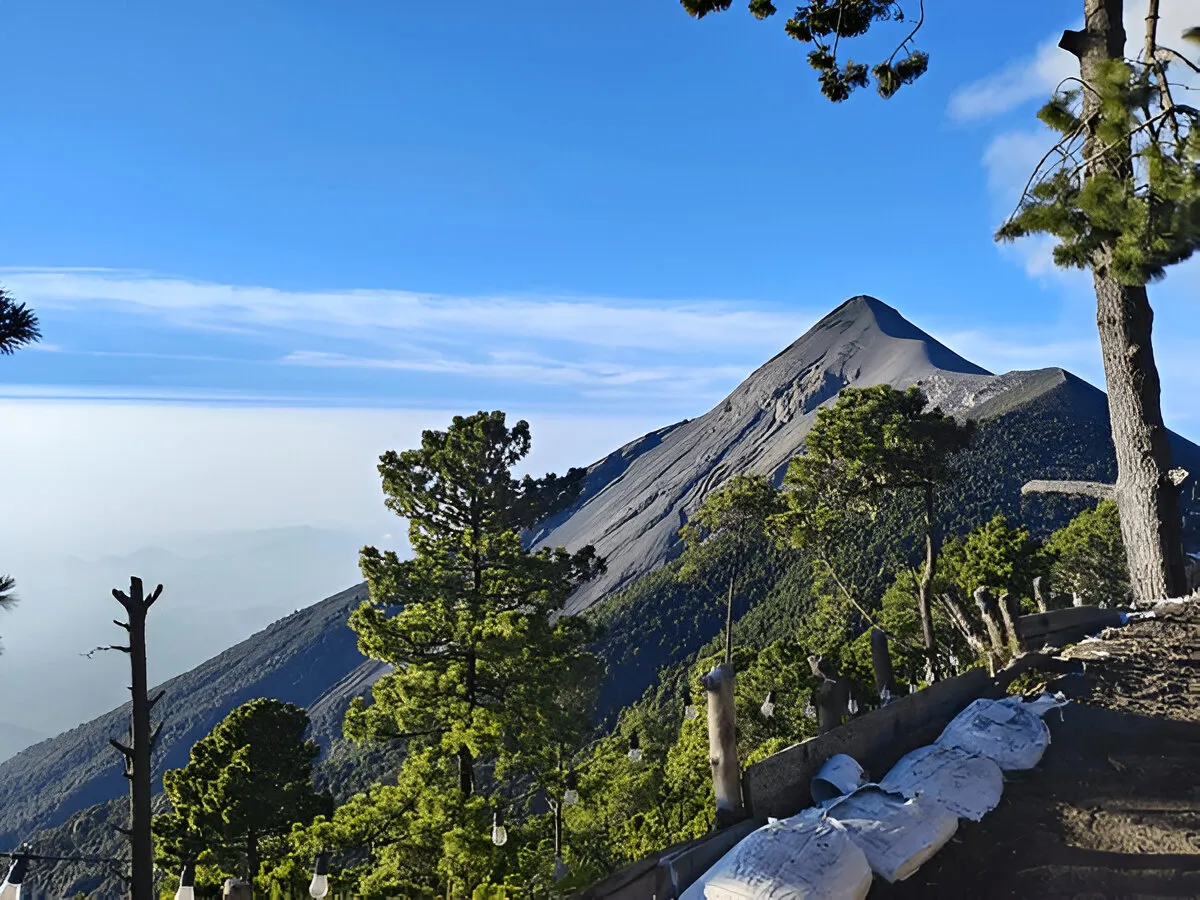
The Valdesia region, situated in the southern part of the Dominican Republic. Key localities within the region include San Gregorio de Nigua, San José de Ocoa, Bajos de Haina, and surrounding rural communities. Coffee is cultivated primarily on the mountainous slopes, terraces, and fertile valleys of the area. The farms are typically located at altitudes ranging from 600 to 1,200 meters above sea level.
Valdesia has historically been the main coffee-producing area in the Dominican Republic, with the Industrias Banilejas (INDUBAN) firm founded in 1945, making it a major industry in the country. It also played a key role in the rise of organized cooperatives among local farmers.
Valdesia was instrumental in fostering the development of independent coffee cooperatives during the 1960s, which have been vital for local economic growth and rural development.


History
Coffee was introduced in the 18th century, expanding rapidly in the Cibao and Central regions. By the 19th century, it became one of the Dominican Republic’s key exports alongside sugar and tobacco. Although overshadowed by sugar in economic impact, coffee remains vital for rural livelihoods. Today, quality improvements and certifications are strengthening its presence in specialty markets.

Qualities
The Republica Dominicana qualities reflect specific standards that define Latin American coffee. From altitude and bean size to processing methods, each classification guarantees consistency, flavor, and authenticity in every cup.
AAA
Premium grade, screen 17+, max 22 defects, clean cup scoring 84+ points.
The AAA classification for Dominican coffee signifies a premium-grade product that meets specific quality control metrics. Key standards include a bean moisture content between 9% and 12% and a screen size of 17 or larger. Additionally, the coffee is limited to a maximum of 22 defects (primary and secondary) per lot. Finally, it must achieve a clean cup with a sensory score of 84 or above.

AA
Commercial grade, screen 16+, max 35 defects, clean cup with 83 points.
The AA classification for Dominican coffee signifies a commercial grade product that meets specific quality control metrics. Key standards include a bean moisture content between 9% and 12% and a screen size of +16 or larger. Additionally, the coffee is limited to a maximum of 35 defects (primary and secondary) per lot. Finally, it must achieve a clean cup with a sensory score of 83 points.
A
Low commercial grade, screen 14+, max 50 defects, clean cup scoring 80–82 points.
The A classification for Dominican coffee signifies a low commercial grade product that meets specific quality control metrics. Key standards include a bean moisture content between 9% and 12.5% and a screen size of 14 or larger. Additionally, the coffee is limited to a maximum of 50 defects (primary and secondary) per lot. Finally, it must achieve a clean cup with a sensory score of 80-82 points.
Regions
Each region tells a unique story through its climate, altitude, and soils. From volcanic highlands to coastal valleys, these diverse landscapes shape distinctive flavor profiles and preserve centuries of coffee tradition.
San José de Ocoa
Semi-tropical climate, bright acidity with chocolate, caramel, and citrus notes.
In this region, key towns include San José de Ocoa, Azua de Compostela, and surrounding villages. The cultivation is concentrated in the mountainous zones and valleys of both provinces, with farms situated between approximately 600 and 1,200 meters above sea level. The terrain includes rugged hills, steep slopes, and fertile valleys. The climate features a humid, temperate environment with a rainy season. The mountainous landscape, part of the Central Cordillera, influences local weather patterns and fosters diverse microclimates. The terrain also presents a challenge for transportation but supports sustainable practices such as shade-grown cultivation.
Barahona
Highland coffees with full body, fruity acidity, and aromatic complexity.
Barahona, located in the southwestern part of the Dominican Republic. The main coffee growing areas are José Ramón, Cabral, and Santa Cruz de Barahona. Coffee cultivation mainly occurs in the mountainous and hilly areas along the region’s rugged terrain, with farms spread across various microclimates. These farms typically operate at elevations of approximately 600 to 900 meters above sea level, though some higher-altitude zones reach up to 1,200 meters.
The region’s geography is defined by rugged mountains that are part of the Atlantic Coastal mountain range, with volcanic origins contributing to the fertile, mineral-rich soils. Although no active volcanoes are present, the land’s volcanic history has left a legacy of fertile soils conducive to rich flavor development. The climate is humid and subtropical, with temperatures generally cooler at higher elevations, and a seasonal pattern of rainfall that supports consistent growth and harvests nearly year-round.
Cibao
Volcanic soils yield bright, balanced cups with floral and chocolate notes.
The Cibao region, located in the northern part of the Dominican Republic, is historically one of the most important coffee-producing areas in the country. Key towns and municipalities within the Cibao region include Santiago de los Caballeros, Navarrete, Jánico, Juncalito, and Tocuyo. Coffee cultivation is mainly concentrated on the mountainous slopes, highlands, and fertile valleys spread across these localities. Altitudes in the region typically range from 800 to 1,200 meters above sea level.
The region represents a seamless integration of rich tradition, high-altitude microclimates, and sustainable farming practices. Its mineral-rich volcanic soils and rugged landscape facilitate the production of premium Arabica beans with intricate and diverse flavor profiles. By maintaining a strong commitment to quality, environmental conservation, and community engagement, Cibao is establishing itself as one of the Dominican Republic’s leading coffee regions, with significant potential for further expansion and recognition in global markets.
Juncalito
Its focus on quality over volume directly supports local economic growth and enhances rural livelihoods
Juncalito, located in the northern part of the Dominican Republic. The main localities involved in coffee cultivation include Juncalito itself and nearby small villages scattered along the mountainous slopes of the region. The farms are situated in high-altitude zones, generally between 800 and 1,200 meters above sea level, within a landscape characterized by steep hills, lush forests, and fertile valleys.
Currently, the economy of Juncalito is centered around small-scale farmers and cooperatives dedicated to producing high-quality, sustainable coffee. The region prioritizes artisanal, organic, and shade-grown cultivation methods to meet the global demand for traceable and ethically sourced coffee. Although its total export volume remains relatively modest compared to larger regions, the exceptional quality of its micro-lots has attracted premium buyers in North America and Europe, supporting local economic growth and enhancing rural livelihoods.
Neiba
Diverse agroforestry systems; coffees with floral and citrus brightness.
The Neiba region, situated in the southwestern part of the Dominican Republic. The primary towns where coffee is cultivated include Neiba, Los Ríos, El Cercado, and surrounding rural communities. Coffee farms are mainly located on the mountainous slopes and fertile valleys within these municipalities. Elevations typically range from 700 to 1,200 meters above sea level.
The mountainous terrain of Neiba is part of the volcanic island system, with soils enriched by ancient volcanic activity. While no active volcanoes are present today, the volcanic legacy is evident in the mineral-rich soils that contribute to the distinct flavor profiles of its coffee.
Valdesia
Highland terroir with bold bodies and flavors of cocoa, black fruits, and caramel.
The Valdesia region, situated in the southern part of the Dominican Republic. Key localities within the region include San Gregorio de Nigua, San José de Ocoa, Bajos de Haina, and surrounding rural communities. Coffee is cultivated primarily on the mountainous slopes, terraces, and fertile valleys of the area. The farms are typically located at altitudes ranging from 600 to 1,200 meters above sea level.
Valdesia has historically been the main coffee-producing area in the Dominican Republic, with the Industrias Banilejas (INDUBAN) firm founded in 1945, making it a major industry in the country. It also played a key role in the rise of organized cooperatives among local farmers.
Valdesia was instrumental in fostering the development of independent coffee cooperatives during the 1960s, which have been vital for local economic growth and rural development.

Discover the Unique Flavors of Dominican Republic’s Microlots and Certified Coffees
The microlots are available depending on the time of the year and harvest period. You can find a variety of microlots across different processing methods: honey, natural, anaerobic and washed. Each lot reflects the country’s diverse terroirs and traditional farming practices.



Delivering the Exact Coffee You Seek
At Plateau Harvest, we specialize in connecting you directly with Latin America’s finest coffee origins. With years of expertise in sourcing and trading, we provide wholesale distribution built on transparency, quality, and efficient logistics—ensuring every lot meets your business needs.


-1.png)