

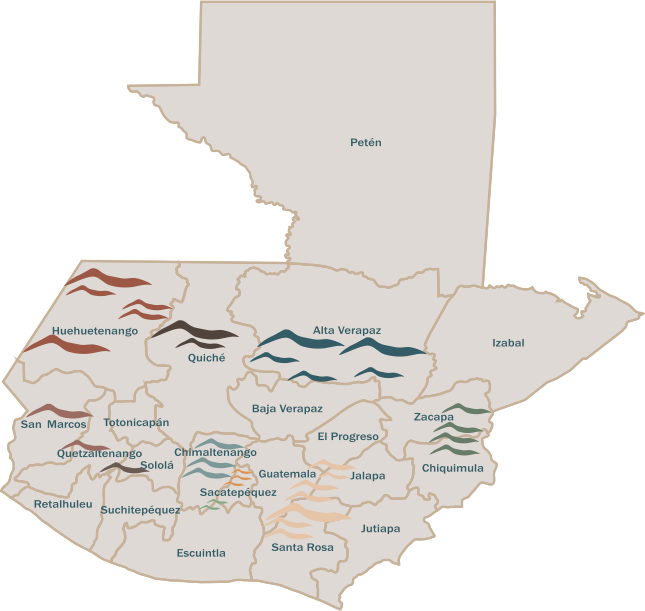

Huehuetenango
Is located in the northwest of Guatemala, in one of the country 's most elevated and mountainous regions. The average altitude ranges from 1,300 to 1,800 meters above sea level, which favors the production of high-quality coffee due to cool temperatures and intense sunlight in the highlands. Coffee is a vital economic driver in Huehuetenango. Most farmers are smallholders working on family farms, employing traditional washed and sustainable farming techniques. The area has experienced significant growth in the specialty coffee sector, exporting mainly to international markets where demand for high-quality coffee with complex flavor with intense acidity and fruity profiles is rising.
Many producers maintain traditional growing and harvesting methods, including hand-picking in small lots and artisanal processing. Many micro-lots and farms from the region participate in international specialty coffee competitions and fairs, earning recognition for excellence.
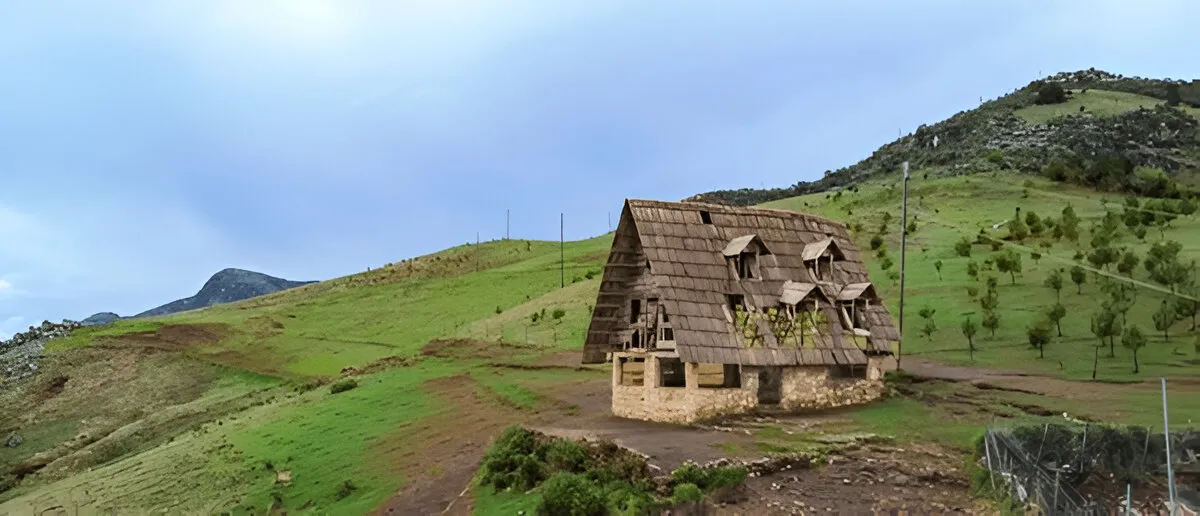

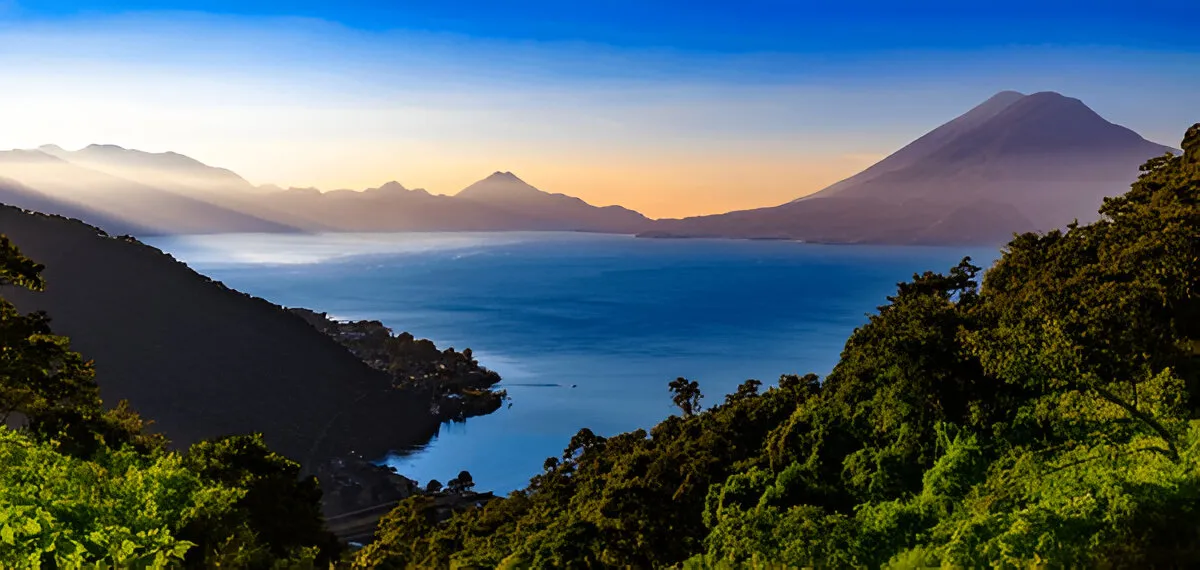
Atitlán
The Atitlán Valley is located in southwestern Guatemala, surrounding the famous Lake Atitlán. The farms' altitude ranges from 1,200 to 1,800 meters above sea level, providing ideal conditions for high-quality coffee cultivation, with cool temperatures and good sunlight exposure. With two volcanoes surrounding Atitlan lakes, it makes the soil rich in minerals and provides different cup profiles.
Coffee cultivation in the Atitlán region began in the mid-20th century when local farmers and small producers saw an economic opportunity in coffee. The region has maintained traditional farming practices influenced by indigenous communities inhabiting the area, including descendants of the K'iche', Kaqchikel, and other ethnic groups. Indigenous communities in Atitlán preserve their ancestral traditions of coffee cultivation, harvesting, and processing.

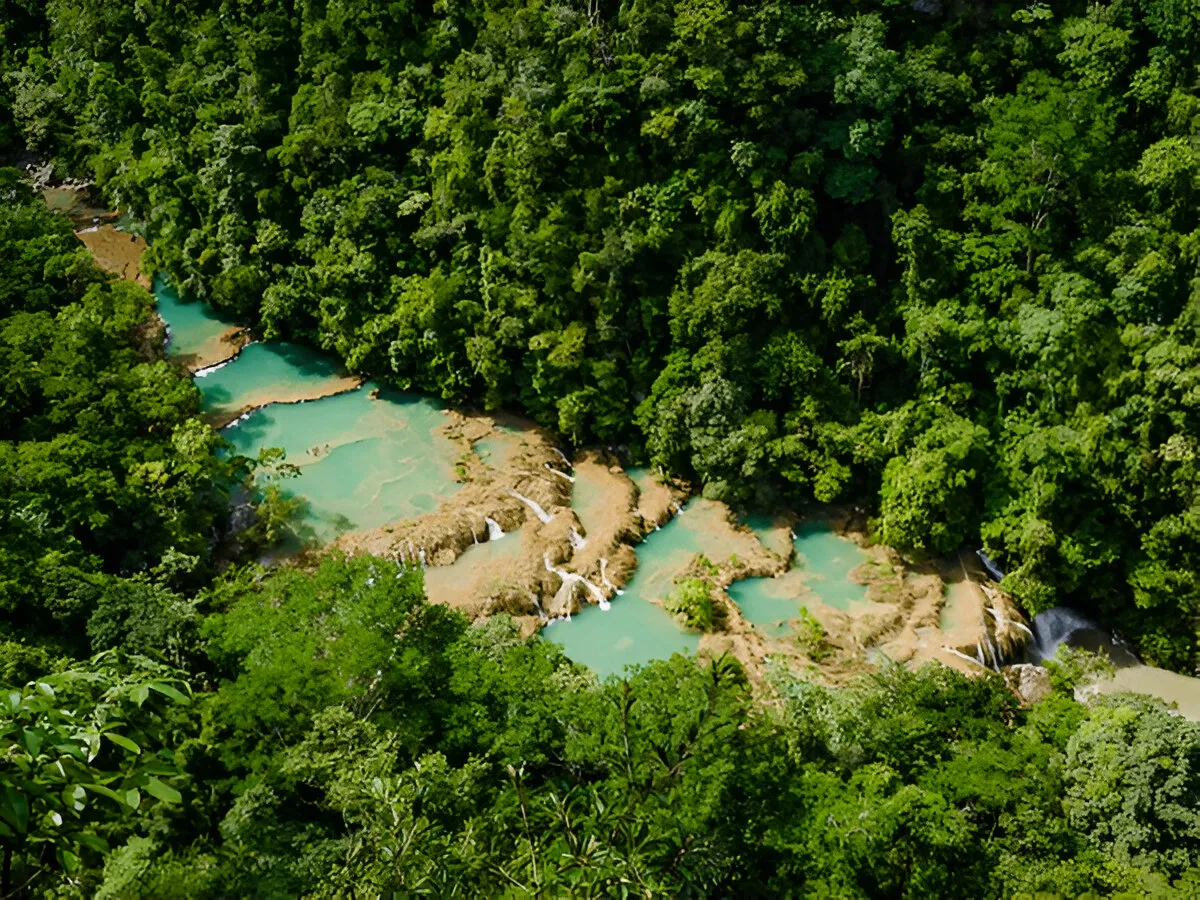
Cobán
Cobán is located in the northern highlands of Guatemala, in the Departments of Alta Verapaz and Baja Verapaz. The altitude in this region ranges from approximately 1,200 to 1,600 meters above sea level. The Mountain Range of Sierra de las Minas is where the Guatemalan rainforest is located, this provides specific soil and microclimates resulting in a very special cup profile.
The indigenous population of Cobán, including the Q'echi' and other Mayan groups, maintains traditional farming methods, such as manual harvesting and artisanal processing. Many producers blend ancestral knowledge with modern sustainable practices, emphasizing biodiversity conservation and social responsibility. Community-based cooperatives play a significant role in organizing production, quality control, and marketing.
In the late 19th and early 20th centuries, Guatemala experienced increased European immigration, including Germans. The Germans, along with other Europeans, arrived in the region attracted by agricultural opportunities, particularly for coffee cultivation, which was expanding rapidly in Guatemala at that time. This influence played a significant role in modernizing agriculture in Alta Verapaz, including Cobán. They introduced new farming techniques, crops, and processing methods that helped improve coffee quality and productivity. Many of the modern coffee plantations and processing facilities established in the region today have roots in these early European influences.

Antigua
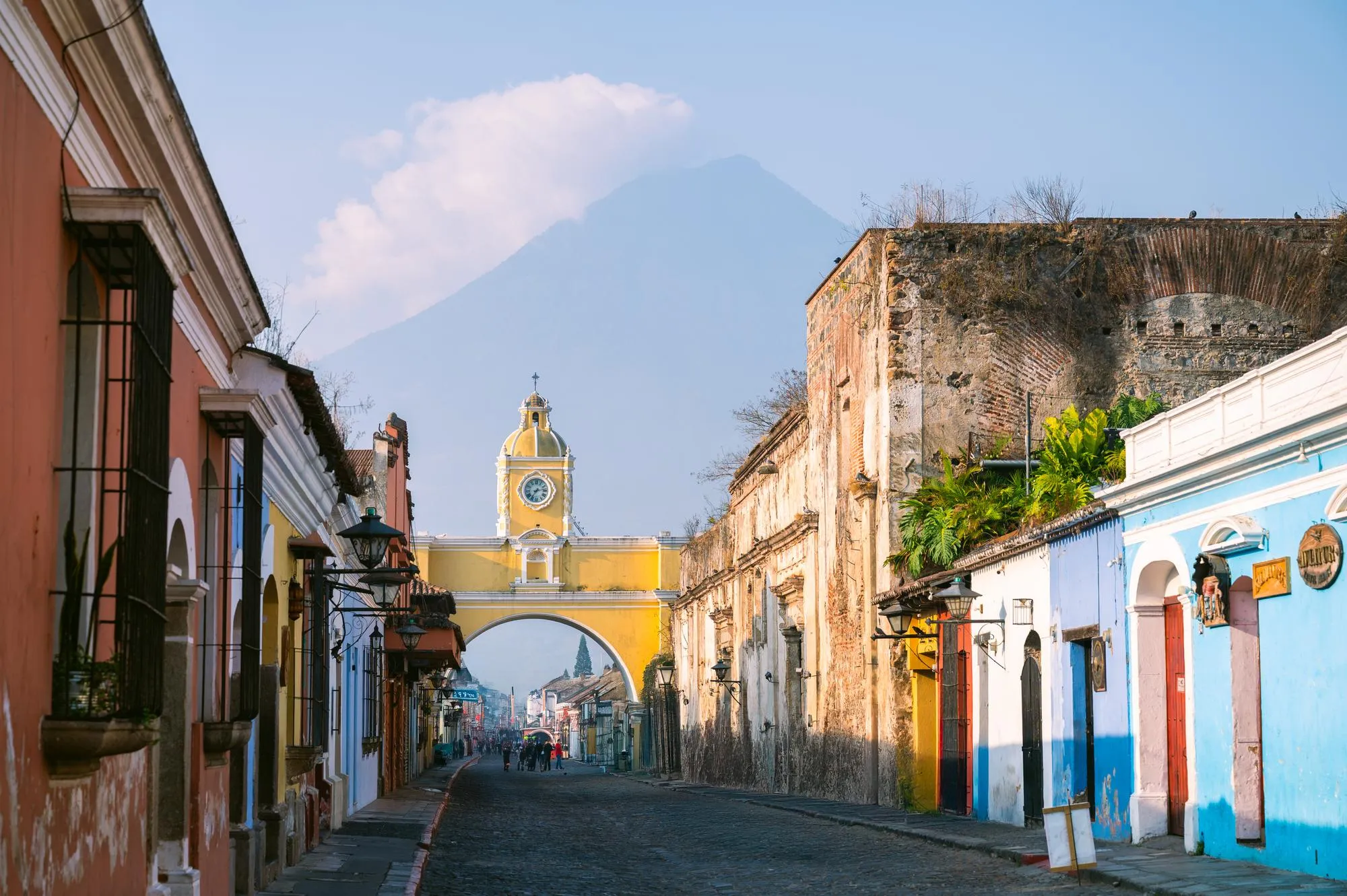
Antigua is a historic city located in the central highlands of Guatemala. The coffee-growing regions surrounding Antigua sit at altitudes between 1,500 and 1,700 meters above sea level. Coffee was introduced to Antigua and the surrounding highlands in the late 19th century, rapidly becoming a vital crop for the region. The area's volcanic soils and favorable climate contributed to the high quality of its coffee.
The volcanoes near Antigua such as Volcán de Agua, Volcán Acatenango, and Volcán Fuego play a crucial role in shaping the region 's coffee quality. Their volcanic soils are highly fertile, rich in minerals that are absorbed by the coffee plants, contributing to the beans' distinctive flavor, body, and complexity. Additionally, these volcanoes create microclimates and influence weather patterns, which help produce the bright acidity and unique profiles characteristic of Antigua coffee.

Acatenango
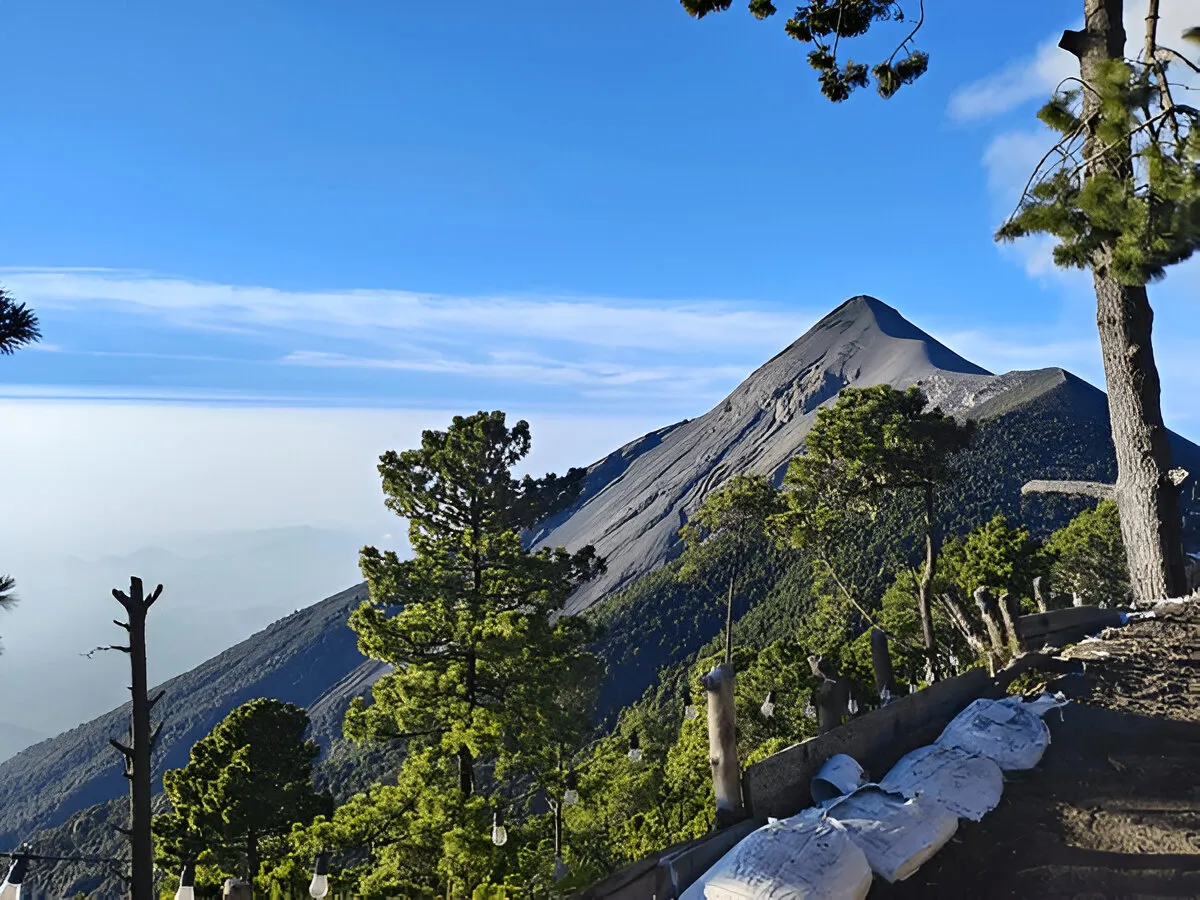
Acatenango is a region located in Guatemala, surrounding the dormant Acatenango Volcano in the department of Sacatepéquez. The coffee farms in this area are typically cultivated at altitudes between 1,300 and 2,000 meters above sea level.
Coffee cultivation in the Acatenango region began in the late 19th and early 20th centuries, as part of Guatemala’s broader expansion of coffee agriculture. The fertile volcanic soils and cool mountain air contributed to the region’s reputation for producing exceptional coffee. Here we can find cup profiles with bright citrus, floral aromas, fruity complexity, and subtle chocolate notes, with a vibrant, balanced body, and aromatic notes.

Fraijanes
Fraijanes is a municipality situated in the highlands of Guatemala, near the capital, Guatemala City. The coffee farms in this region are typically cultivated at altitudes ranging from 1,200 to 1,700 meters above sea level.
Coffee cultivation in Fraijanes began in the early 20th century, coinciding with Guatemala’s broader expansion of coffee agriculture. The region’s favorable climate and volcanic soils quickly gained recognition for producing high-quality coffee. Over the decades, Fraijanes has become known for its consistent production of specialty coffee that meets international standards.


New Oriente
Guatemala’s New Oriente region (the eastern part of the country) includes departments such as Santa Rosa, Jalapa, Jutiapa, and parts of Chiquimula. The altitude varies from around 800 to 1,800 meters above sea level, with some areas reaching higher elevations. The region features a diverse range of microclimates and fertile volcanic soils.
Coffee cultivation in Oriente began in the early 20th century, later than in other Guatemalan regions but rapidly grew due to favorable climatic and soil conditions. Its expansion was driven by smallholders and communities seeking new economic opportunities. Over time, the region has developed a reputation for distinctive, high-quality coffee that differs from other Guatemalan regions due to its unique microclimates and terroirs.
About Guatemala
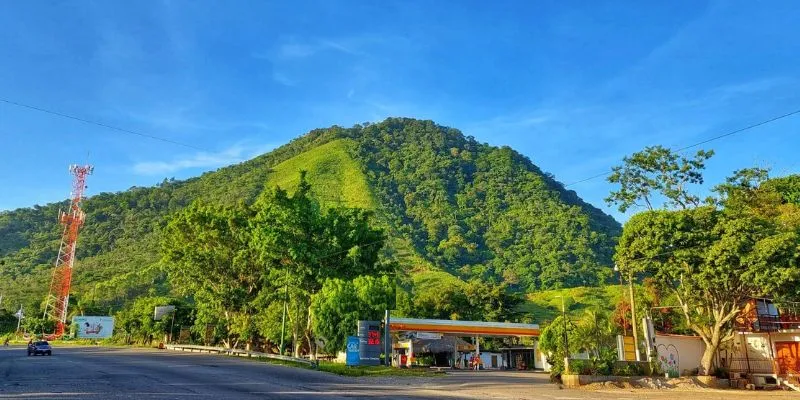
Guatemala is one of Central America’s most renowned coffee producers. Its volcanic soils, high altitudes, and favorable climate create unique profiles. The country is known for its washed processing tradition and commitment to sustainable, high-quality production.
Huehuetenango
Is located in the northwest of Guatemala, in one of the country 's most elevated and mountainous regions. The average altitude ranges from 1,300 to 1,800 meters above sea level, which favors the production of high-quality coffee due to cool temperatures and intense sunlight in the highlands. Coffee is a vital economic driver in Huehuetenango. Most farmers are smallholders working on family farms, employing traditional washed and sustainable farming techniques. The area has experienced significant growth in the specialty coffee sector, exporting mainly to international markets where demand for high-quality coffee with complex flavor with intense acidity and fruity profiles is rising.
Many producers maintain traditional growing and harvesting methods, including hand-picking in small lots and artisanal processing. Many micro-lots and farms from the region participate in international specialty coffee competitions and fairs, earning recognition for excellence.

Atitlán
The Atitlán Valley is located in southwestern Guatemala, surrounding the famous Lake Atitlán. The farms' altitude ranges from 1,200 to 1,800 meters above sea level, providing ideal conditions for high-quality coffee cultivation, with cool temperatures and good sunlight exposure. With two volcanoes surrounding Atitlan lakes, it makes the soil rich in minerals and provides different cup profiles.
Coffee cultivation in the Atitlán region began in the mid-20th century when local farmers and small producers saw an economic opportunity in coffee. The region has maintained traditional farming practices influenced by indigenous communities inhabiting the area, including descendants of the K'iche', Kaqchikel, and other ethnic groups. Indigenous communities in Atitlán preserve their ancestral traditions of coffee cultivation, harvesting, and processing.
Most harvesting is done by hand, ensuring the selection of only the best beans. Many producers combine traditional techniques with modern practices to improve quality, always respecting cultural heritage and environmental sustainability.
Coffee from Atitlán is recognized globally for its distinctive aromatic profile, featuring fruity, floral, and citrus notes, along with bright acidity and medium to full body. The region has gained acclaim at specialty coffee fairs and international competitions, valued for its quality and cultural authenticity.

Cobán
Cobán is located in the northern highlands of Guatemala, in the Departments of Alta Verapaz and Baja Verapaz. The altitude in this region ranges from approximately 1,200 to 1,600 meters above sea level. The Mountain Range of Sierra de las Minas is where the Guatemalan rainforest is located, this provides specific soil and microclimates resulting in a very special cup profile.
The indigenous population of Cobán, including the Q'echi' and other Mayan groups, maintains traditional farming methods, such as manual harvesting and artisanal processing. Many producers blend ancestral knowledge with modern sustainable practices, emphasizing biodiversity conservation and social responsibility. Community-based cooperatives play a significant role in organizing production, quality control, and marketing.
In the late 19th and early 20th centuries, Guatemala experienced increased European immigration, including Germans. The Germans, along with other Europeans, arrived in the region attracted by agricultural opportunities, particularly for coffee cultivation, which was expanding rapidly in Guatemala at that time. This influence played a significant role in modernizing agriculture in Alta Verapaz, including Cobán. They introduced new farming techniques, crops, and processing methods that helped improve coffee quality and productivity. Many of the modern coffee plantations and processing facilities established in the region today have roots in these early European influences.
Coban region is renowned by its citrus flavors and floral aromas, it is a smooth and balanced profile with bright acidity.
Antigua
Antigua is a historic city located in the central highlands of Guatemala. The coffee-growing regions surrounding Antigua sit at altitudes between 1,500 and 1,700 meters above sea level. Coffee was introduced to Antigua and the surrounding highlands in the late 19th century, rapidly becoming a vital crop for the region. The area's volcanic soils and favorable climate contributed to the high quality of its coffee.
The volcanoes near Antigua such as Volcán de Agua, Volcán Acatenango, and Volcán Fuego play a crucial role in shaping the region 's coffee quality. Their volcanic soils are highly fertile, rich in minerals that are absorbed by the coffee plants, contributing to the beans' distinctive flavor, body, and complexity. Additionally, these volcanoes create microclimates and influence weather patterns, which help produce the bright acidity and unique profiles characteristic of Antigua coffee.
Antigua coffee is known for its bright citrus and floral notes, balanced with chocolate undertones and a touch of spice, creating a well-rounded, complex, and vibrant flavor profile.
Acatenango
Acatenango is a region located in Guatemala, surrounding the dormant Acatenango Volcano in the department of Sacatepéquez. The coffee farms in this area are typically cultivated at altitudes between 1,300 and 2,000 meters above sea level.
Coffee cultivation in the Acatenango region began in the late 19th and early 20th centuries, as part of Guatemala’s broader expansion of coffee agriculture. The fertile volcanic soils and cool mountain air contributed to the region’s reputation for producing exceptional coffee. Here we can find cup profiles with bright citrus, floral aromas, fruity complexity, and subtle chocolate notes, with a vibrant, balanced body, and aromatic notes.
Fraijanes
Fraijanes is a municipality situated in the highlands of Guatemala, near the capital, Guatemala City. The coffee farms in this region are typically cultivated at altitudes ranging from 1,200 to 1,700 meters above sea level.
Coffee cultivation in Fraijanes began in the early 20th century, coinciding with Guatemala’s broader expansion of coffee agriculture. The region’s favorable climate and volcanic soils quickly gained recognition for producing high-quality coffee. Over the decades, Fraijanes has become known for its consistent production of specialty coffee that meets international standards.
Fraijanes coffee is known for its bright acidity, floral and citrus notes, complemented by chocolate and nutty undertones, creating a vibrant, complex, and balanced cup.

New Oriente
Guatemala’s New Oriente region (the eastern part of the country) includes departments such as Santa Rosa, Jalapa, Jutiapa, and parts of Chiquimula. The altitude varies from around 800 to 1,800 meters above sea level, with some areas reaching higher elevations. The region features a diverse range of microclimates and fertile volcanic soils.
Coffee cultivation in Oriente began in the early 20th century, later than in other Guatemalan regions but rapidly grew due to favorable climatic and soil conditions. Its expansion was driven by smallholders and communities seeking new economic opportunities. Over time, the region has developed a reputation for distinctive, high-quality coffee that differs from other Guatemalan regions due to its unique microclimates and terroirs.
While not as globally renowned as Antigua or Cobán, Oriente coffee has gained recognition for its distinctive flavor profile, characterized by bright acidity, fruity notes, and a smooth body.


History
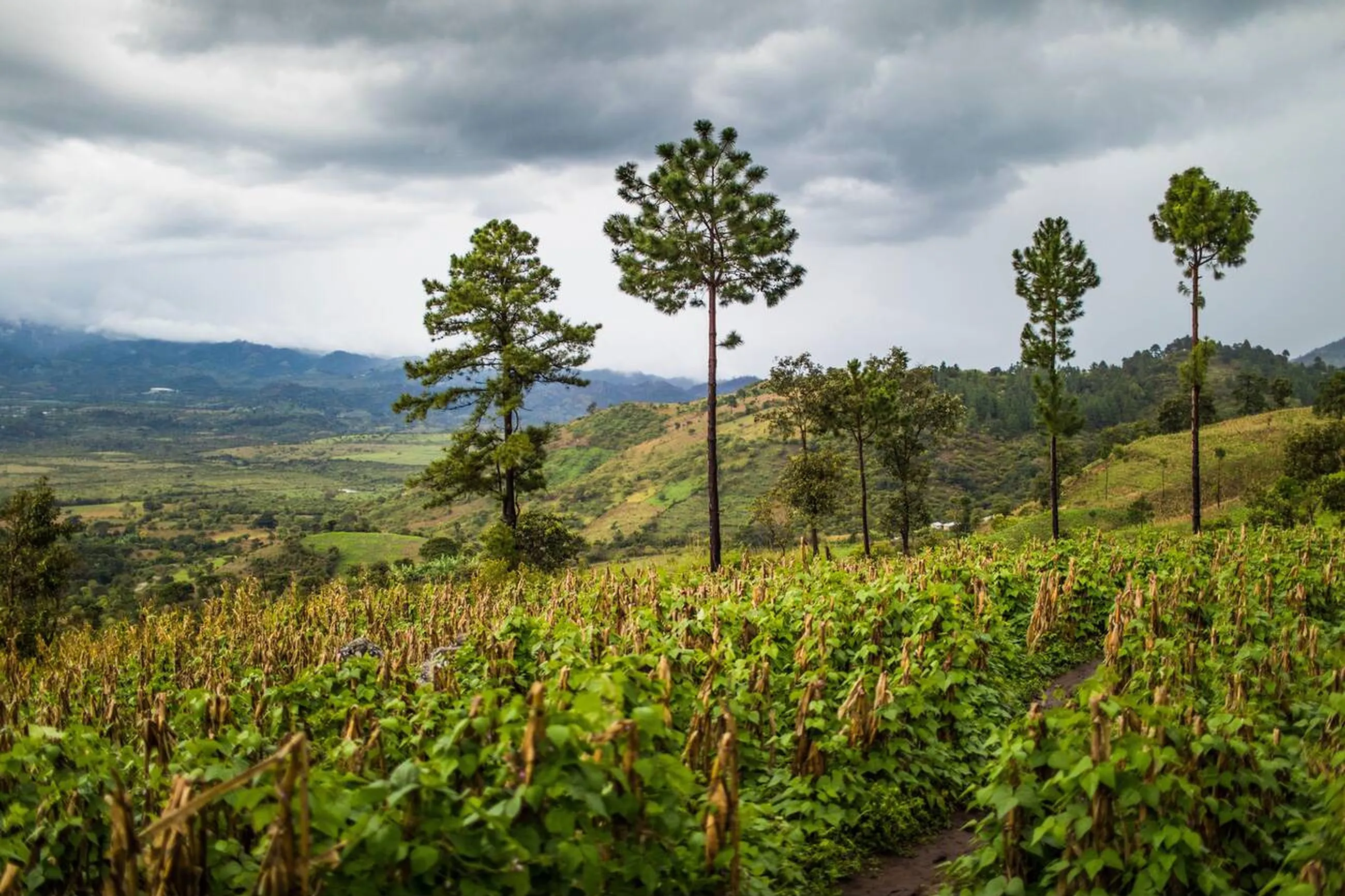
Introduced in the 18th century, coffee quickly became a pillar of Guatemala’s economy by the 19th century. Expansion in regions like Antigua and Huehuetenango built its reputation for quality. Over time, cooperatives and ANACAFÉ supported small producers, strengthening sustainability and specialty coffee. Today, despite challenges such as climate change and market fluctuations, Guatemala remains a global benchmark for quality and diversity.

Qualities
Guatemala is renowned for its diverse coffee qualities, each offering distinct flavor profiles. Explore these exceptional varieties that elevate your coffee experience.
EPW (Screen Size 15+)
Extra Prime Washed beans, large and clean. Deliver a round, consistent cup, ideal for affordable blends
EPW in Guatemalan coffee grading refers to a specific quality classification based on bean size and quality standards. EPW stands for Extra Prime Washed, indicating very large, high-quality beans that meet strict size and quality criteria.
Typically, EPW beans are larger than 17/64 inches (6.7 mm) in diameter and are considered the best for blenders and low price coffee with good round clean cup.

HB (Screen Size 15+)
High Grown beans cultivated above 1,200m.a.s.l. Dense, balanced cup with good body and moderate acidity, great for blenders
In Guatemala, HG coffee refers to a classification based on altitude and bean density, indicating high-quality Arabica beans grown at higher elevations. HG also stands for Hard Grain or Hard Bean, which means the coffee beans are denser and typically cultivated at altitudes above approximately 1,200 meters (about 4,000 feet) above sea level. These beans are associated with favorable climatic conditions, such as cooler temperatures, which promote slower ripening and fuller development of flavor. In terms of cup profile we can seek for a clean, well-balanced cup with a good body. HBs are great for blenders since you can achieve a good clean cup at a more affordable price.
SHB (Screen Size 15+)
Strictly Hard Bean grown above 1,500 m.a.s.l. Dense, complex beans with fruity and floral notes, bright acidity, and round body
SHB (Strictly Hard Bean) in Guatemalan coffee refers to beans that are grown at very high altitudes, typically above approximately 1,500 meters (around 4,600 feet) above sea level. These beans are characterized by their exceptional density and quality. Since these beans are grown in the most elevated regions the coffee cherries have a slower maturation process that enhances flavor complexity. This also affects its density, making the beans very dense, resulting in excellent cup quality with many different fruity and intense flavors, round bodies and clean cups.
This is a premium classification, indicating beans with minimal defects, uniform size, and superior quality. It is highly valued in the specialty coffee market for its consistent high quality, desirable flavor profile, and premium appearance. When talking about cup scores we can locate SHBs within the 83-84 points.
SHB+ (Screen Size 15+)
Same as SHB but with better processing and farm practices, reaching higher scores (84.5–85.5) and more refined cup profiles
Same conditions as an SHB but due to better processing, varieties, higher altitudes and farm practices coffee can achieve cup scores from 84.5-85.5.
Genuine Antigua
Authentic designation from Antigua’s volcanic region. Known for vibrant cups with bright acidity, complexity, and distinctive character
Genuine Antigua coffee from Guatemala is a brand or classification that emphasizes authenticity and high-quality coffee that ensures the coffee is genuinely from the Antigua coffee zone, which is renowned for its unique microclimate, volcanic soil, and high-quality Arabica beans.
Regions
Guatemala is renowned for its diverse coffee-growing regions, each offering distinct flavors and characteristics. Explore the rich heritage and unique profiles of these exceptional areas.
Huehuetenango
High-altitude coffees with bright acidity, fruity complexity, and global recognition.
Is located in the northwest of Guatemala, in one of the country 's most elevated and mountainous regions. The average altitude ranges from 1,300 to 1,800 meters above sea level, which favors the production of high-quality coffee due to cool temperatures and intense sunlight in the highlands. Coffee is a vital economic driver in Huehuetenango. Most farmers are smallholders working on family farms, employing traditional washed and sustainable farming techniques. The area has experienced significant growth in the specialty coffee sector, exporting mainly to international markets where demand for high-quality coffee with complex flavor with intense acidity and fruity profiles is rising.
Many producers maintain traditional growing and harvesting methods, including hand-picking in small lots and artisanal processing. Many micro-lots and farms from the region participate in international specialty coffee competitions and fairs, earning recognition for excellence.
Atitlán
Volcanic Soils around Lake Atitlan, fruit, floral and citrus flavours with vibrant acidity.
The Atitlán Valley is located in southwestern Guatemala, surrounding the famous Lake Atitlán. The farms' altitude ranges from 1,200 to 1,800 meters above sea level, providing ideal conditions for high-quality coffee cultivation, with cool temperatures and good sunlight exposure. With two volcanoes surrounding Atitlan lakes, it makes the soil rich in minerals and provides different cup profiles.
Coffee cultivation in the Atitlán region began in the mid-20th century when local farmers and small producers saw an economic opportunity in coffee. The region has maintained traditional farming practices influenced by indigenous communities inhabiting the area, including descendants of the K'iche', Kaqchikel, and other ethnic groups. Indigenous communities in Atitlán preserve their ancestral traditions of coffee cultivation, harvesting, and processing.
Cobán
Rainforest climate creates smooth, balanced coffees with citrus flavors and floral aromas.
Cobán is located in the northern highlands of Guatemala, in the Departments of Alta Verapaz and Baja Verapaz. The altitude in this region ranges from approximately 1,200 to 1,600 meters above sea level. The Mountain Range of Sierra de las Minas is where the Guatemalan rainforest is located, this provides specific soil and microclimates resulting in a very special cup profile.
The indigenous population of Cobán, including the Q'echi' and other Mayan groups, maintains traditional farming methods, such as manual harvesting and artisanal processing. Many producers blend ancestral knowledge with modern sustainable practices, emphasizing biodiversity conservation and social responsibility. Community-based cooperatives play a significant role in organizing production, quality control, and marketing.
In the late 19th and early 20th centuries, Guatemala experienced increased European immigration, including Germans. The Germans, along with other Europeans, arrived in the region attracted by agricultural opportunities, particularly for coffee cultivation, which was expanding rapidly in Guatemala at that time. This influence played a significant role in modernizing agriculture in Alta Verapaz, including Cobán. They introduced new farming techniques, crops, and processing methods that helped improve coffee quality and productivity. Many of the modern coffee plantations and processing facilities established in the region today have roots in these early European influences.
Antigua
Fertile volcanic lands produce vibrant coffees with citrus, floral, and chocolate notes.
Antigua is a historic city located in the central highlands of Guatemala. The coffee-growing regions surrounding Antigua sit at altitudes between 1,500 and 1,700 meters above sea level. Coffee was introduced to Antigua and the surrounding highlands in the late 19th century, rapidly becoming a vital crop for the region. The area's volcanic soils and favorable climate contributed to the high quality of its coffee.
The volcanoes near Antigua such as Volcán de Agua, Volcán Acatenango, and Volcán Fuego play a crucial role in shaping the region 's coffee quality. Their volcanic soils are highly fertile, rich in minerals that are absorbed by the coffee plants, contributing to the beans' distinctive flavor, body, and complexity. Additionally, these volcanoes create microclimates and influence weather patterns, which help produce the bright acidity and unique profiles characteristic of Antigua coffee.
Acatenango
Volcanic region delivering citrusy, fruity, and floral coffees with a balanced body.
Acatenango is a region located in Guatemala, surrounding the dormant Acatenango Volcano in the department of Sacatepéquez. The coffee farms in this area are typically cultivated at altitudes between 1,300 and 2,000 meters above sea level.
Coffee cultivation in the Acatenango region began in the late 19th and early 20th centuries, as part of Guatemala’s broader expansion of coffee agriculture. The fertile volcanic soils and cool mountain air contributed to the region’s reputation for producing exceptional coffee. Here we can find cup profiles with bright citrus, floral aromas, fruity complexity, and subtle chocolate notes, with a vibrant, balanced body, and aromatic notes.
Fraijanes
Highlands near Guatemala City known for bright acidity and notes of citrus, flowers, and chocolate.
Fraijanes is a municipality situated in the highlands of Guatemala, near the capital, Guatemala City. The coffee farms in this region are typically cultivated at altitudes ranging from 1,200 to 1,700 meters above sea level.
Coffee cultivation in Fraijanes began in the early 20th century, coinciding with Guatemala’s broader expansion of coffee agriculture. The region’s favorable climate and volcanic soils quickly gained recognition for producing high-quality coffee. Over the decades, Fraijanes has become known for its consistent production of specialty coffee that meets international standards.
New Oriente
Eastern region with diverse microclimates, producing smooth coffees with fruity brightness.
Guatemala’s New Oriente region (the eastern part of the country) includes departments such as Santa Rosa, Jalapa, Jutiapa, and parts of Chiquimula. The altitude varies from around 800 to 1,800 meters above sea level, with some areas reaching higher elevations. The region features a diverse range of microclimates and fertile volcanic soils.
Coffee cultivation in Oriente began in the early 20th century, later than in other Guatemalan regions but rapidly grew due to favorable climatic and soil conditions. Its expansion was driven by smallholders and communities seeking new economic opportunities. Over time, the region has developed a reputation for distinctive, high-quality coffee that differs from other Guatemalan regions due to its unique microclimates and terroirs.




Delivering the Exact Coffee You Seek
At Plateau Harvest, we specialize in connecting you directly with Latin America’s finest coffee origins. With years of expertise in sourcing and trading, we provide wholesale distribution built on transparency, quality, and efficient logistics—ensuring every lot meets your business needs.


-1.png)